

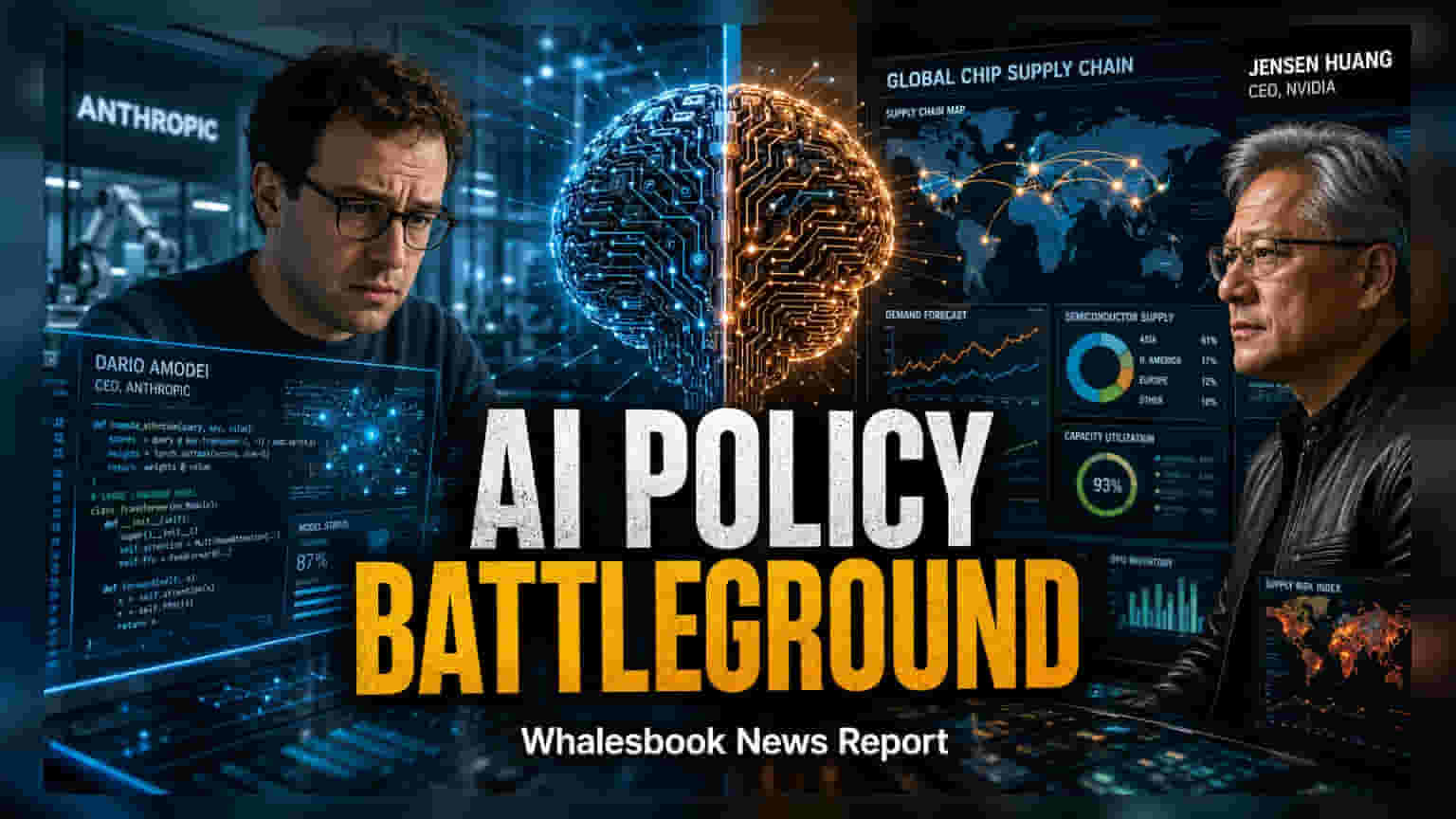
Anthropic CEO Dario Amodei and Nvidia CEO Jensen Huang are at odds over U.S. AI strategies regarding China. Amodei suggests strict chip export controls are better than limiting open-weight models, while Nvidia faces potential revenue impacts from such restrictions. This debate highlights the tension between national security and corporate interests in the global AI sector.
The U.S. technology sector is witnessing a high-profile disagreement between Anthropic and Nvidia regarding the most effective way to regulate artificial intelligence. The core of the debate centers on how to manage the development of AI while balancing U.S. national security interests against the commercial goals of major technology firms.
Chip Export Controls Versus Open-Weight Models
Anthropic CEO Dario Amodei has proposed that the most effective way to curb China's progress in AI is through tighter restrictions on high-end chip exports rather than by limiting access to open-weight models. Open-weight models are software architectures that allow users to access and modify core components. By prioritizing hardware-focused export controls, Anthropic aims to prevent authoritarian regimes from obtaining the necessary computing power for advanced military or surveillance AI, while allowing the software side of the industry to remain open for innovation.
This position contrasts with the interests of firms like Nvidia, which currently holds a dominant position in the global AI hardware market. Continued sales of advanced chips to various international markets, including China, remain a significant contributor to Nvidia's revenue. Any policy shift that mandates stricter export controls directly threatens a portion of the company's addressable market and its future growth projections in the region.
Strategic Differences Among Tech Giants
The industry is further divided by the influence of other major players. Meta CEO Mark Zuckerberg has publicly advocated for the open-source approach, warning that restrictive policies could lead to what he calls regulatory capture, where only a few dominant firms have the resources to meet complex compliance requirements. This focus on open models supports Meta's own AI strategy and aims to foster broader entrepreneurial access to the technology.
Meanwhile, the effectiveness of export controls is being questioned by industry analysts and peers. Despite existing U.S. trade restrictions, Chinese AI entities have continued to produce competitive models such as Qwen and DeepSeek. The adoption of these models by various U.S. businesses suggests that even with restricted access to the latest chips, international competitors are finding ways to advance through algorithmic efficiency.
Investor Monitorables
Investors are keeping a close watch on these policy developments, as they carry direct implications for the valuations of leading AI hardware and software companies. The potential for further regulatory tightening could force a shift in business models for hardware suppliers, while software companies may face increased scrutiny regarding their compliance with export rules. The next significant updates for investors will be the White House’s formal directives on AI infrastructure and any changes to the current export license requirements, which could influence future earnings reports and capital spending plans across the sector.