

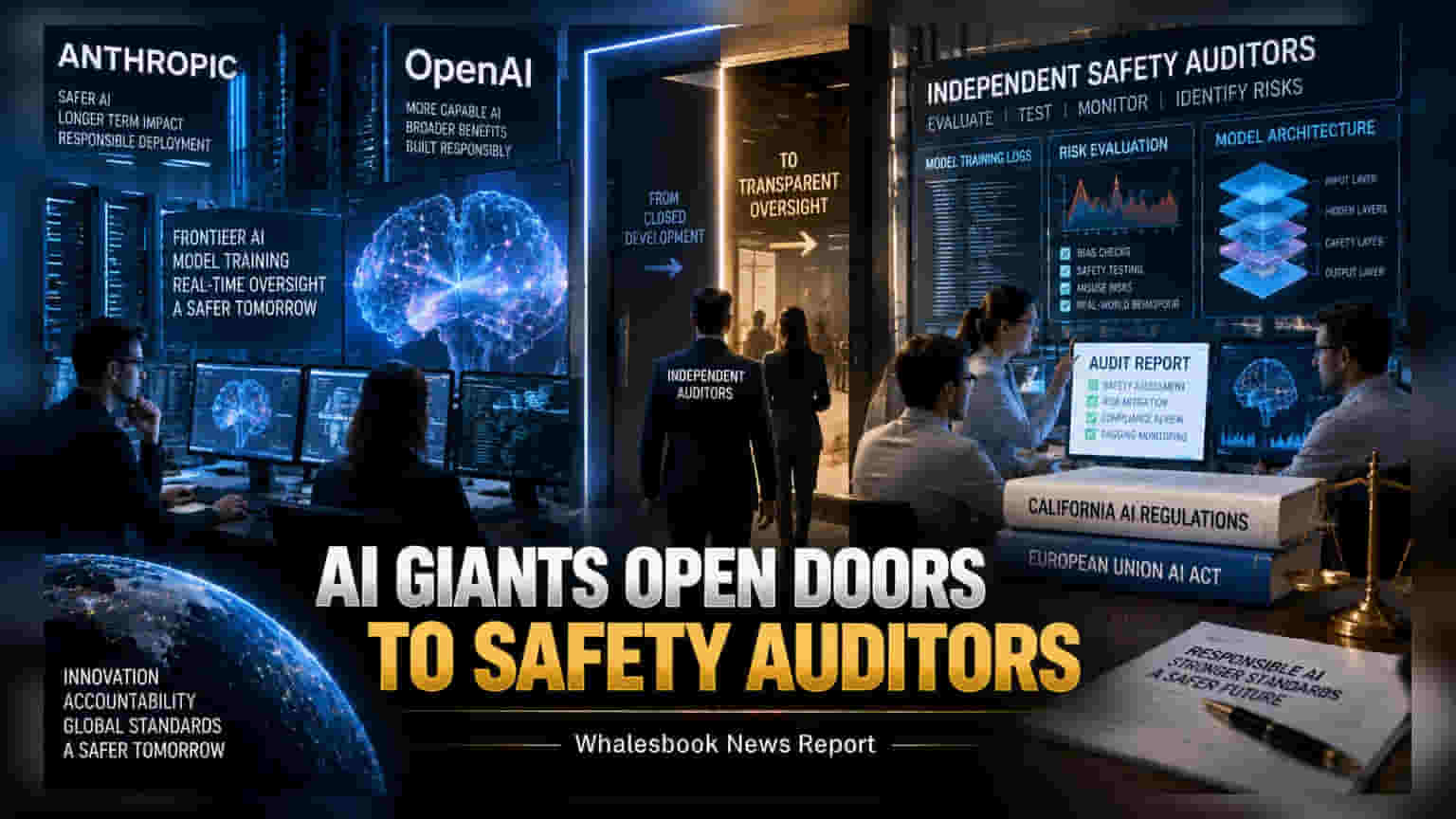
Anthropic and OpenAI are integrating independent AI auditors into their training processes, a shift that could set new safety standards. While the move addresses regulatory pressure, investors are assessing how these safety commitments will influence operating costs and credibility ahead of Anthropic’s planned October 2026 Nasdaq IPO.
Anthropic and OpenAI have announced plans to integrate independent third-party auditors directly into their AI development pipelines. By embedding these evaluators within the model-training process, the companies aim to move beyond traditional post-release testing to continuous, real-time oversight of frontier AI systems.
The strategic shift is designed to address concerns that current safety benchmarks may not reveal how advanced models actually behave outside of controlled testing environments. By granting auditors access to intermediate training logs and development checkpoints, both organizations hope to identify potential risks earlier in the development cycle. For investors, this marks a shift toward professionalizing AI governance, which may help mitigate long-term liability risks even if it increases short-term operational expenses.
This commitment to external scrutiny is particularly significant for Anthropic, which is currently preparing for a potential Nasdaq IPO in October 2026. Following reports that the company expects to report a second consecutive quarter of positive adjusted operating income, the move toward independent auditing appears to be a calculated step to align with upcoming regulatory frameworks in jurisdictions like California and the European Union. By setting high operating standards now, Anthropic aims to differentiate its platform as a safer, more predictable alternative to competitors.
However, the effectiveness of this approach remains a subject of debate among industry experts and researchers. The central concern for market observers is the definition of independence. Critics argue that if auditors are paid by the companies they evaluate, the arrangement could still be subject to influence, regardless of public commitments. Success will depend on the actual terms of these contracts, including whether auditors are granted full, uncensored publication rights to their findings and enough time to conduct thorough assessments, which has been a limiting factor in past evaluations.
From a financial perspective, this push toward external verification introduces a new category of compliance costs. While these measures may slow the speed of new model releases, they also help companies build the institutional credibility required for enterprise adoption. OpenAI has ruled out an IPO for 2026, suggesting that its support for these standards is focused on long-term industry positioning rather than immediate public market readiness.
Investors monitoring the AI sector should track upcoming developments regarding the formation of a formal, shared industry standards body. The next important milestone will be the specific governance structure of these auditor relationships and how they impact the pace of future AI model rollouts, particularly as Anthropic moves closer to its planned public listing.