

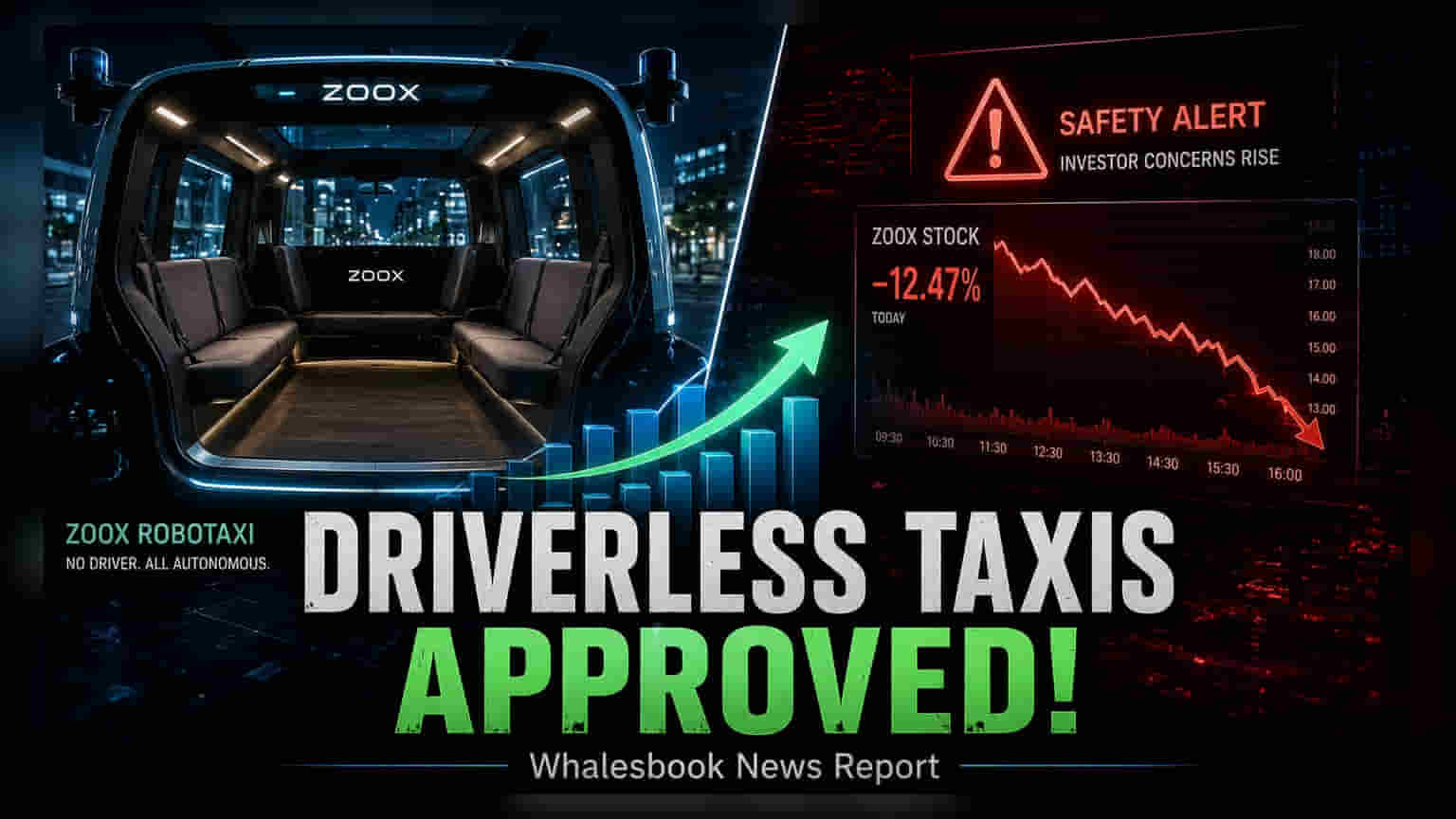
Amazon’s Zoox has secured US regulatory approval to deploy up to 2,500 driverless robotaxis annually. The National Highway Traffic Safety Administration granted this exemption, allowing for a commercial rollout without traditional human controls. While this marks a milestone for autonomous tech, the company remains subject to strict safety monitoring and reporting protocols.
Amazon's autonomous vehicle subsidiary, Zoox, has received a critical regulatory exemption from the National Highway Traffic Safety Administration (NHTSA) in the United States. This decision allows the company to operate and charge passengers for rides in vehicles that do not include traditional human controls, such as steering wheels or brake pedals. The clearance is limited to a deployment of up to 2,500 vehicles per year over the next two years.
Regulatory Requirements and Safety Oversight
While the exemption allows Zoox to move toward commercial services, the company must adhere to rigorous safety reporting standards. The NHTSA has mandated that Zoox provide detailed data on any incidents, including crashes or unexpected vehicle behavior like sudden stops. The regulator maintains the authority to revoke this exemption if safety concerns emerge during the deployment phase. This oversight reflects the government’s ongoing effort to balance innovation with public safety as autonomous vehicle technology moves closer to mainstream commercial use.
Challenges in the Autonomous Vehicle Sector
The path to fully autonomous transportation remains complex. The industry faces scrutiny over how these vehicles interact with real-world road environments. Reported issues in the sector include instances of vehicles stalling in intersections, interfering with emergency responders, and struggling to navigate extreme weather conditions or flooded roads. Zoox itself recently initiated a recall of its 105-vehicle fleet to update software intended to improve detection capabilities during heavy smoke, highlighting the technical hurdles that companies must clear to prove system reliability.
Industry Competition and Future Outlook
This approval places Zoox in a competitive space alongside other major players like Alphabet’s Waymo and Tesla, which are both actively pursuing autonomous ride-hailing solutions. While Waymo currently operates commercial services in several cities, Tesla has also introduced plans for its Cybercab, a vehicle designed without human controls. Investors should track how these companies manage the transition from testing to large-scale commercial operation, especially as regulators work toward establishing comprehensive federal standards for automated driving systems. Beyond this federal exemption, Zoox must still secure specific state and local authorizations before it can begin collecting fares from passengers in markets like Las Vegas and San Francisco, where it currently conducts testing operations.