

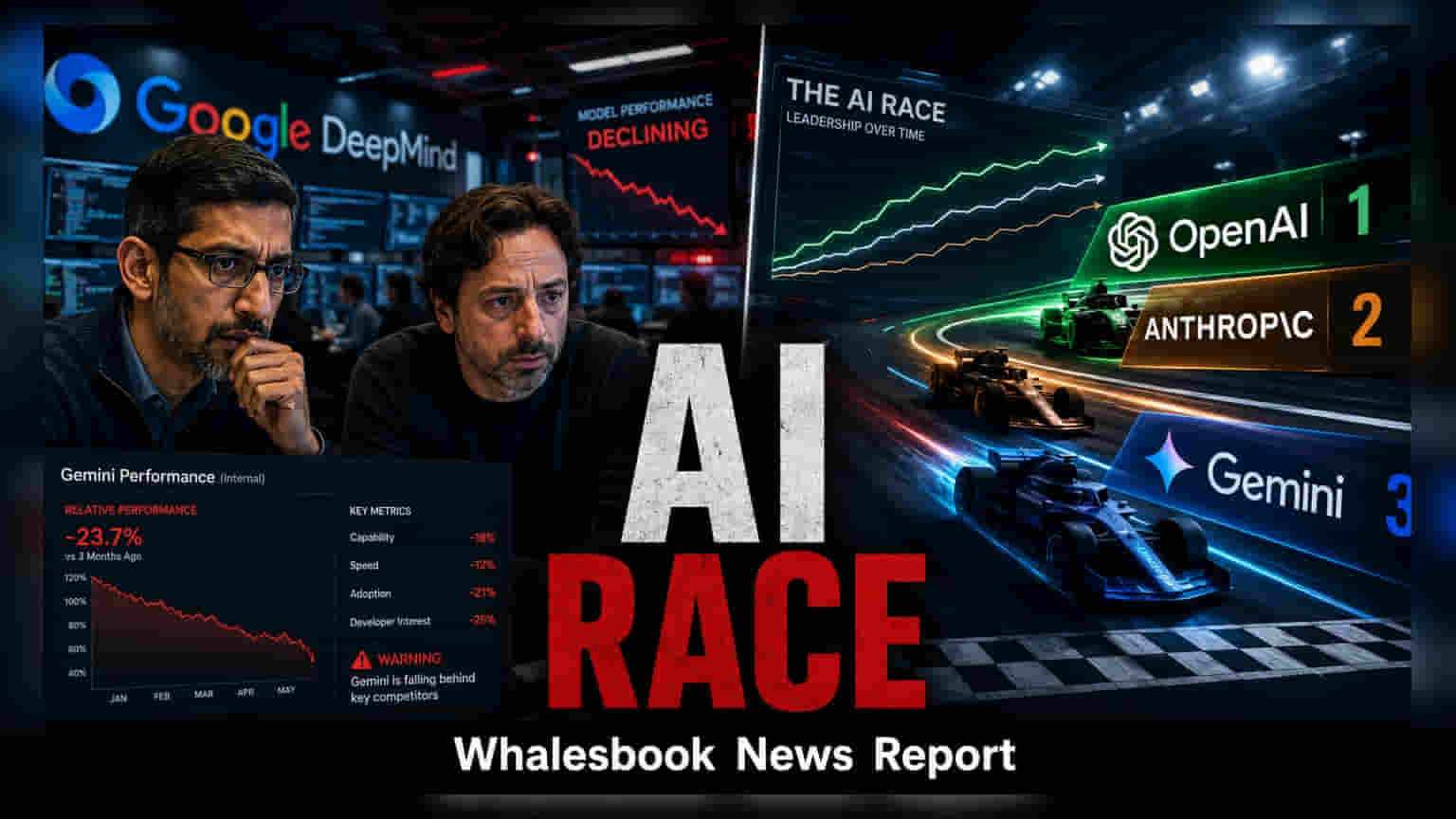
Alphabet has reorganized its Google DeepMind unit, naming Koray Kavukcuoglu as leader while Demis Hassabis shifts to a new role. The move aims to accelerate Gemini AI development amid intense competition from rivals like OpenAI. Investors are tracking how these changes affect long-term innovation and company margins as infrastructure spending remains high.
Alphabet Inc., the parent company of Google, has officially restructured its Google DeepMind AI division as of August 5, 2026. The strategic shift involves Demis Hassabis, who served as CEO, transitioning into a new role as Chair of Google DeepMind and Chief Scientist of Alphabet. Taking over the day-to-day management of the division is Koray Kavukcuoglu, the former Chief AI Architect, who will now serve as Senior Vice President and report directly to Alphabet CEO Sundar Pichai.
Strategic Focus on Gemini and Competition
The leadership change comes as Google faces significant pressure to close the performance gap in its Gemini AI models, particularly in technical areas such as computer coding. The company is currently engaged in a intense competitive race with rivals like OpenAI and Anthropic. By streamlining the reporting structure under Kavukcuoglu, Alphabet aims to speed up the integration of AI across its existing product suite and improve the commercial performance of its flagship models.
This restructuring also follows the departure of several long-time technology leaders, including Jeff Dean, who left the company to co-found a new startup named Discovery Loop. For investors, the exit of senior technical talent presents an execution risk, as the company must maintain its pace of innovation while adjusting to new management dynamics.
Financial Context and Investor Monitorables
Alphabet reported strong financial results for the second quarter of 2026 on July 22, highlighted by a 24% increase in year-over-year revenue and an 82% growth in Google Cloud revenue. However, the aggressive push into AI carries significant financial implications. The company is committing substantial capital spending to build out the infrastructure, including AI chips known as Tensor Processing Units (TPUs), required to train and deploy these models.
While this spending has driven revenue growth, it has also raised questions among investors about the sustainability of profit margins. The market has shown sensitivity to these strategic shifts, with Alphabet's stock experiencing volatility following the announcement, reflecting investor caution regarding the stability of the AI division's output.
Looking ahead, the key monitorables for shareholders include the speed of Gemini's development cycle, the ability of the new leadership to retain top-tier research talent, and the long-term impact of infrastructure spending on the company's operating margins. Investors will be watching for evidence that these organizational changes lead to more efficient product releases and a stronger competitive position in the AI sector.