

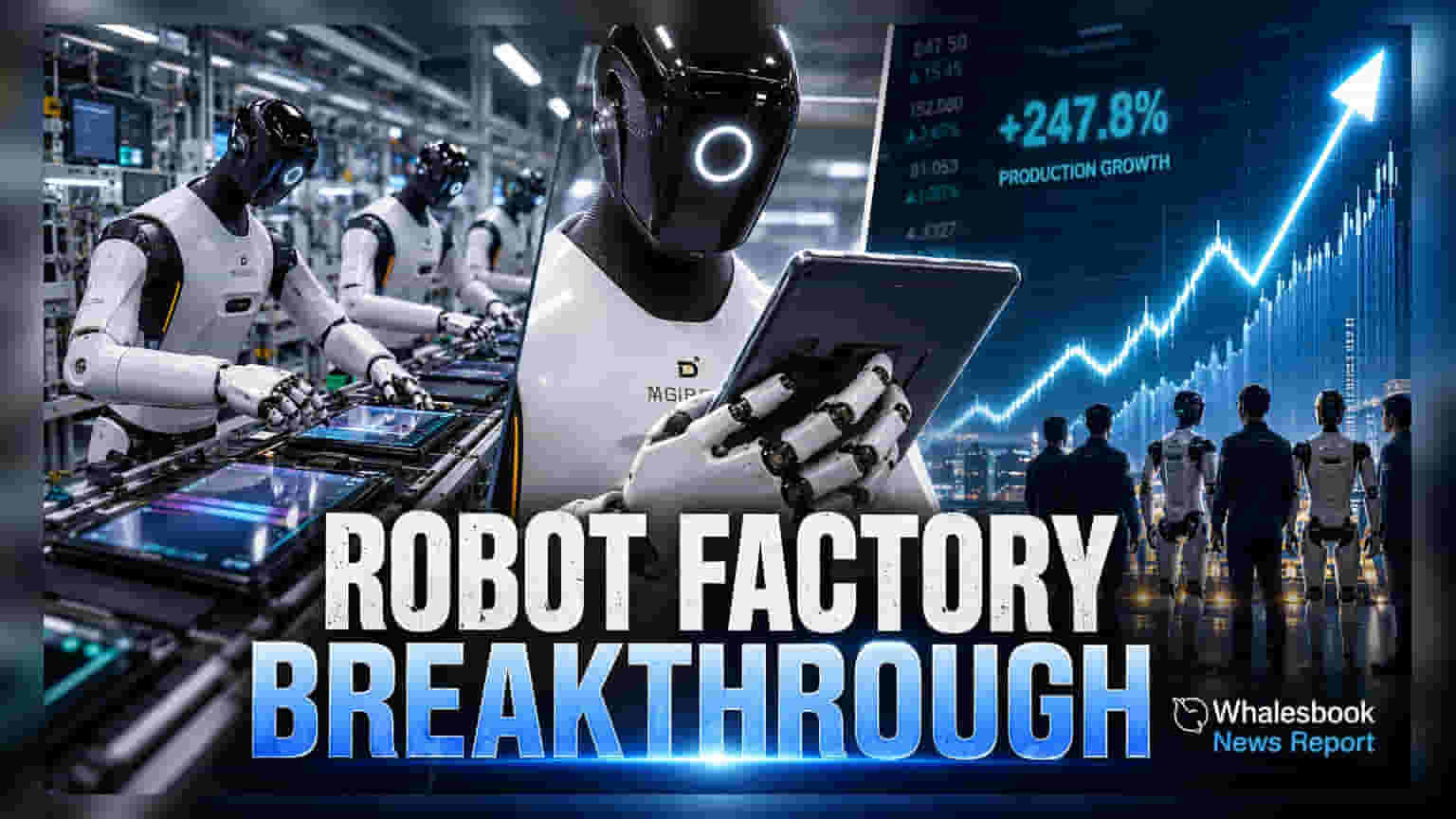
Chinese robotics firm AgiBot conducted a 64-hour trial of its G2 humanoid robots at a Longcheer Technology plant. The robots processed over 17,600 tablets with a claimed 99.99% success rate. While this marks an advancement in industrial automation, independent verification of maintenance costs and operational uptime is still pending.
AgiBot has completed a 64-hour continuous demonstration of its G2 humanoid robots on a live production line. The trial took place at a Longcheer Technology facility located in Nanchang, China. During this period, the robots performed various factory tasks including quality inspection, sorting, and material handling. According to the company, the units successfully processed 17,625 tablet devices, executing a total of 64,828 individual tasks.
Industrial Application and Performance
Unlike standard stationary robotic arms, which are fixed to perform singular, repetitive motions, these humanoid robots are designed for mobility within human-centric work environments. The demonstration aimed to show how AI-powered machines can integrate into existing manufacturing flows by collaborating with human staff and legacy machinery. The company reported a 99.99% success rate for the tasks completed during the livestreamed event.
Commercial and Operational Considerations
While the factory trial provides a public look at current progress in embodied AI, the data relies on company reports. For investors and industry analysts, the ultimate test of commercial viability depends on factors beyond short-term success rates. Key monitorables include the total cost of ownership, energy efficiency, and the frequency of human intervention required to maintain operations. Because these robots are complex, ongoing maintenance needs and the ability to scale these systems across diverse manufacturing environments remain critical points for future observation.
Competitive Landscape in Robotics
The market for humanoid robots is becoming increasingly crowded as manufacturers look to solve labor shortages and improve quality control in production. AgiBot competes in a sector seeing significant investment from firms such as Tesla, Figure AI, UBTech, and Unitree. These companies are all working to move robotics from controlled research laboratories into real-world industrial settings.
As the technology evolves, the focus for the industry is shifting from pure technical capability to proving that these robots can deliver a reliable return on investment through consistent, long-term performance. Investors tracking this space will likely look for updates on actual deployments beyond staged demonstrations, as well as evidence of how these robots handle real-world challenges like equipment wear and tear, software updates, and the variable nature of factory floor conditions.