

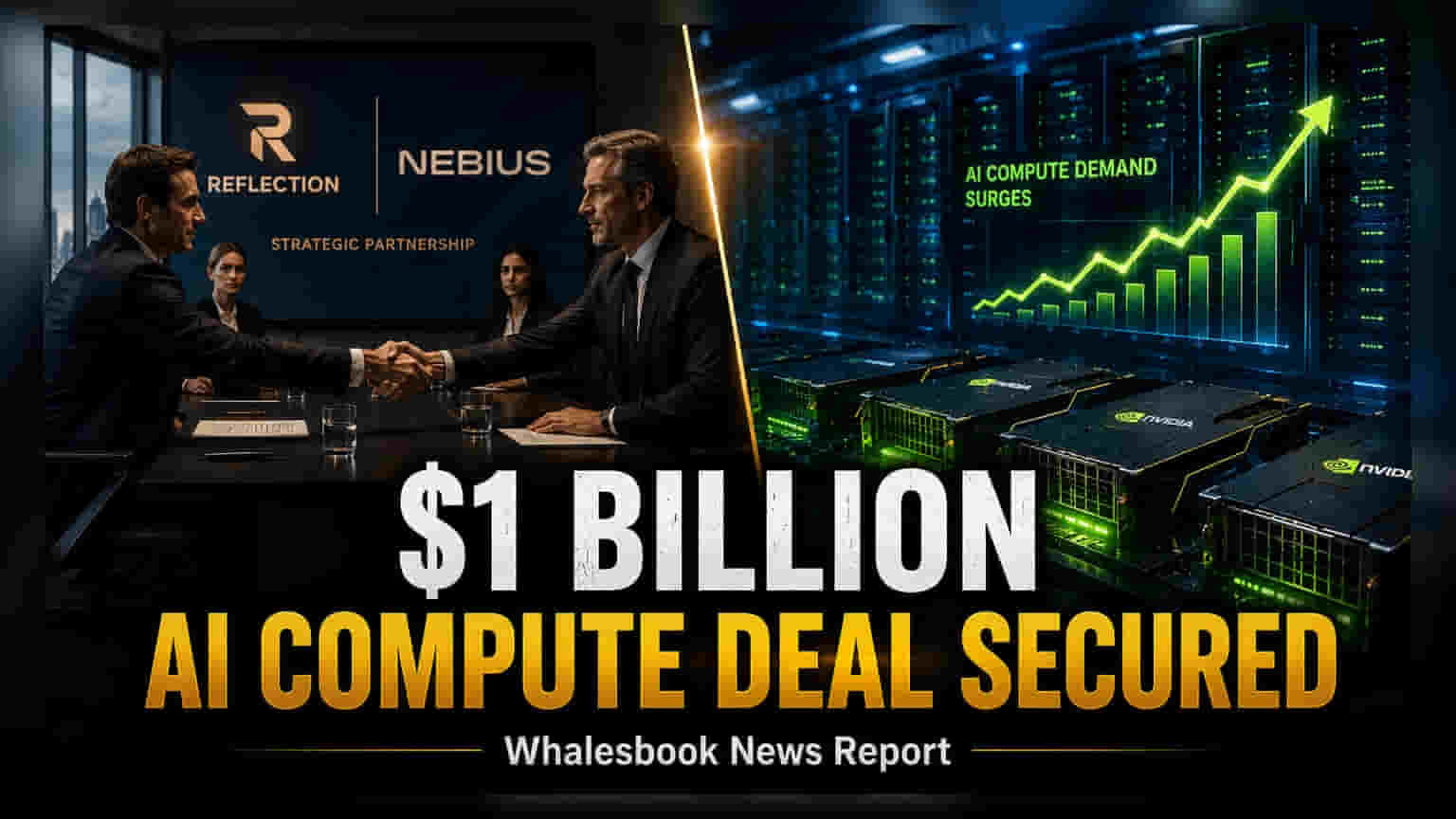
AI firm Reflection has secured a $1 billion agreement with Nebius to access advanced Nvidia chips for training its models. This deal helps the company bypass hardware shortages and scale its open-source AI efforts, though the high cost of computing remains a significant financial pressure for the industry.
Reflection, a startup founded by former Google DeepMind researchers, has entered into a computing capacity agreement worth over $1 billion with infrastructure provider Nebius. The deal secures access to high-end Nvidia graphics processing units, which are essential hardware for training large-scale artificial intelligence systems.
Scaling Infrastructure Amid High Costs
This procurement represents a major expansion for Reflection as it attempts to build open-source alternatives to proprietary AI systems like those from OpenAI and Anthropic. The company is managing aggressive capital spending to maintain its development pace. This deal comes after a prior agreement made in June with SpaceX, which reportedly involves monthly financial commitments of roughly $150 million until 2029. Investors and industry observers monitor such arrangements closely, as the intense need for computing power creates a heavy cash flow burden that can impact the long-term financial health of AI startups.
The Shift Toward Open-Source AI
Reflection’s strategy focuses on open-source AI, which allows businesses to customize models and potentially reduce their long-term operational costs compared to closed, proprietary platforms. As AI adoption grows across various sectors, demand for data center capacity has outpaced supply, leading to significant bottlenecks. By securing dedicated chip access through Nebius, Reflection aims to gain a competitive advantage in model training speed and reliability.
Managing Hardware and Geopolitical Risks
Reliance on a small group of hardware and platform providers poses risks for AI firms, particularly regarding supply chain volatility and potential regulatory changes. Recent U.S. government restrictions on exporting advanced AI hardware and models have forced many companies to diversify their infrastructure suppliers. By partnering with Nebius and utilizing open-source frameworks, Reflection is attempting to create a more resilient business structure. However, the success of this strategy depends on the company's ability to turn its high compute spending into profitable model performance, a challenge that remains a core uncertainty for the broader artificial intelligence sector. The key monitorable for investors and stakeholders will be how efficiently the company utilizes this massive new computing capacity to gain market share against established proprietary rivals.