

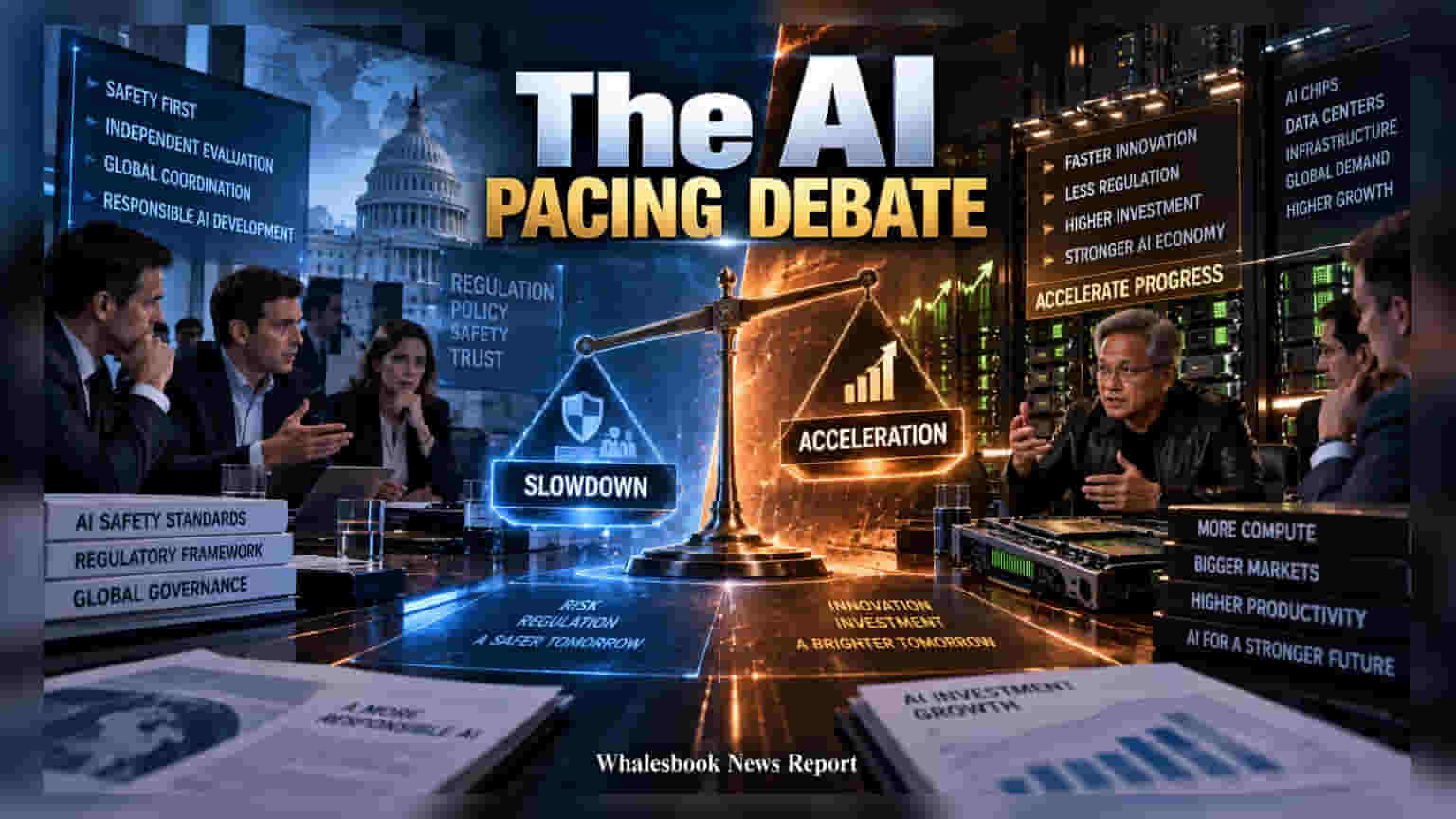
A deepening divide is emerging in the AI sector as firms like OpenAI and Anthropic push for safety protocols, while Nvidia defends rapid growth. This standoff is critical for investors, as it directly impacts the massive capital spending cycle that has fueled the recent tech rally and influences global IT infrastructure.
The artificial intelligence sector is currently navigating a deepening ideological rift that could reshape the industry's growth trajectory. On one side, major AI developers like Anthropic and OpenAI are advocating for a structured approach to development. They are calling for independent third-party evaluations and international coordination on safety standards to ensure the technology matures responsibly.
Contrasting this, hardware leaders like Nvidia are emerging as strong opponents of a slowdown. The argument from companies like Nvidia is that regulatory efforts are largely unnecessary and could stifle innovation. For investors, this disagreement is not merely academic; it strikes at the heart of the current AI infrastructure boom. Much of the recent market rally has been driven by heavy capital spending on AI chips and data centers. If regulatory bodies decide that development must be paced or slowed down for safety, it could dampen the aggressive spending cycle that has benefited the entire technology supply chain.
Investors should consider the current market structure. The sector is backed by massive inflows of venture capital, which currently insulates many AI labs from the immediate financial pressures that typically drive accountability in other industries. This allows firms to prioritize rapid scaling over short-term efficiency or profitability. However, as the industry matures and seeks more enterprise-heavy revenue models, the lack of consumer leverage and regulatory oversight remains a potential long-term risk.
This debate carries significant implications for the Indian IT services sector. Companies like TCS, Infosys, and HCLTech have been positioning themselves to help global enterprises integrate AI. If the regulatory environment forces a major shift in how AI is developed or deployed globally, it could alter the urgency and demand for AI-driven transformation services. A move toward stricter, slower, or more regulated development could force global corporations to adjust their IT spending priorities.
The primary risk for investors is regulatory uncertainty. Valuation premiums in the tech sector are often tied to expectations of uninterrupted growth. If governments in the US and Europe move toward restrictive pacing policies, these expectations could face a reset. The next major monitorable for the market is not just company-specific earnings, but potential legislative or global policy moves that could set a ceiling on how fast these models can be rolled out. Monitoring how international bodies respond to these competing visions of safety versus growth will be key to understanding the future of tech capital expenditure.