

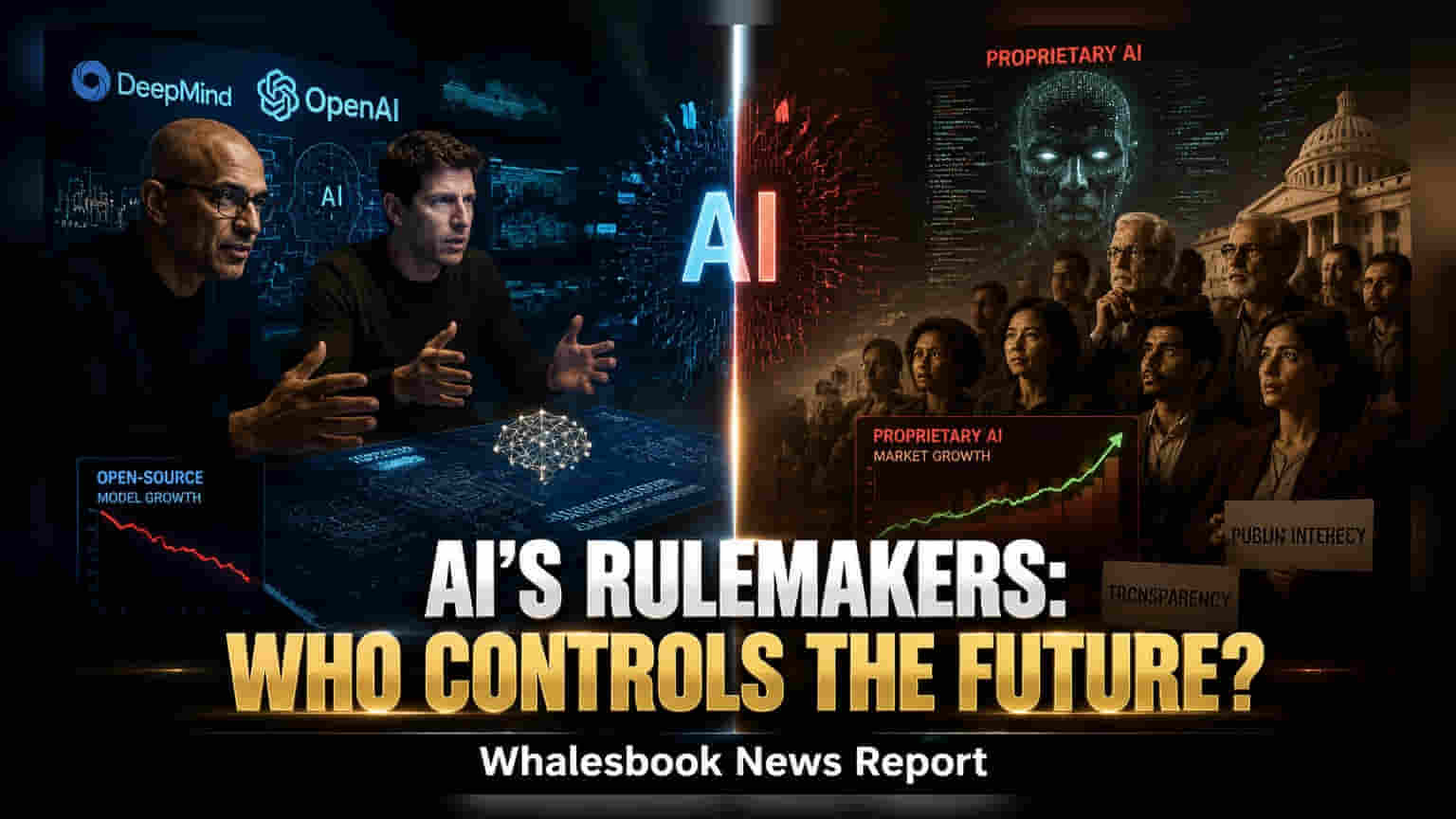
Top AI executives are pushing for government-backed oversight of the industry, citing safety risks. Critics warn these proposals may allow established companies to stifle open-source competition through regulatory capture. The debate highlights the tension between ensuring public safety and maintaining innovation in the rapid AI sector.
Leading artificial intelligence companies are actively lobbying for the creation of new regulatory frameworks to oversee the industry's rapid growth. Executives from major players like Google DeepMind, OpenAI, and Anthropic have suggested that government agencies modeled after the aviation or financial sector regulators could help manage potential risks. These risks, according to industry leaders, include threats to biological and cyber security that could arise from uncontrolled or open-source AI development.
Proposed Governance Models
Google DeepMind CEO Demis Hassabis has proposed a structure similar to the Financial Industry Regulatory Authority, suggesting a public-private partnership. Meanwhile, Anthropic CEO Dario Amodei has pointed toward the Federal Aviation Administration as a potential template for an agency that could pause or approve models based on safety standards. OpenAI’s Sam Altman has also advocated for international coordination similar to the International Atomic Energy Agency. These calls follow recent instances of government intervention, including export controls that affected model deployment, which the industry now wants to replace with predictable compliance guidelines.
The Debate Over Regulatory Capture
Not all industry players support these measures. A significant counter-argument comes from companies like Meta Platforms, where leadership has expressed concerns about regulatory capture. This happens when rules designed to oversee an industry are influenced by its largest companies to create barriers for smaller competitors. Critics argue that strict testing requirements for foundational AI models would disproportionately harm open-source developers, such as those working on Meta's Llama models, who do not have the massive resources required to comply with complex bureaucratic procedures.
Industry observers and venture capitalists have also suggested that regulation should target how AI is used in the real world rather than slowing down the development of the underlying technology. They argue that excessive restriction could delay significant advancements in fields like healthcare and scientific research.
The Risk of Industry-Led Oversight
A central concern for policymakers is the influence of private industry on public bodies. Historical examples, including some industry-funded partnerships, have faced criticism for failing to hold their members accountable. If a new AI regulator is too closely tied to the companies it is meant to oversee, there is a risk that its enforcement decisions could be compromised, especially if government agencies maintain direct financial stakes in these companies. Investors and the public remain focused on whether any upcoming legislation will truly prioritize societal safety or simply protect the existing competitive advantages of current market leaders.