

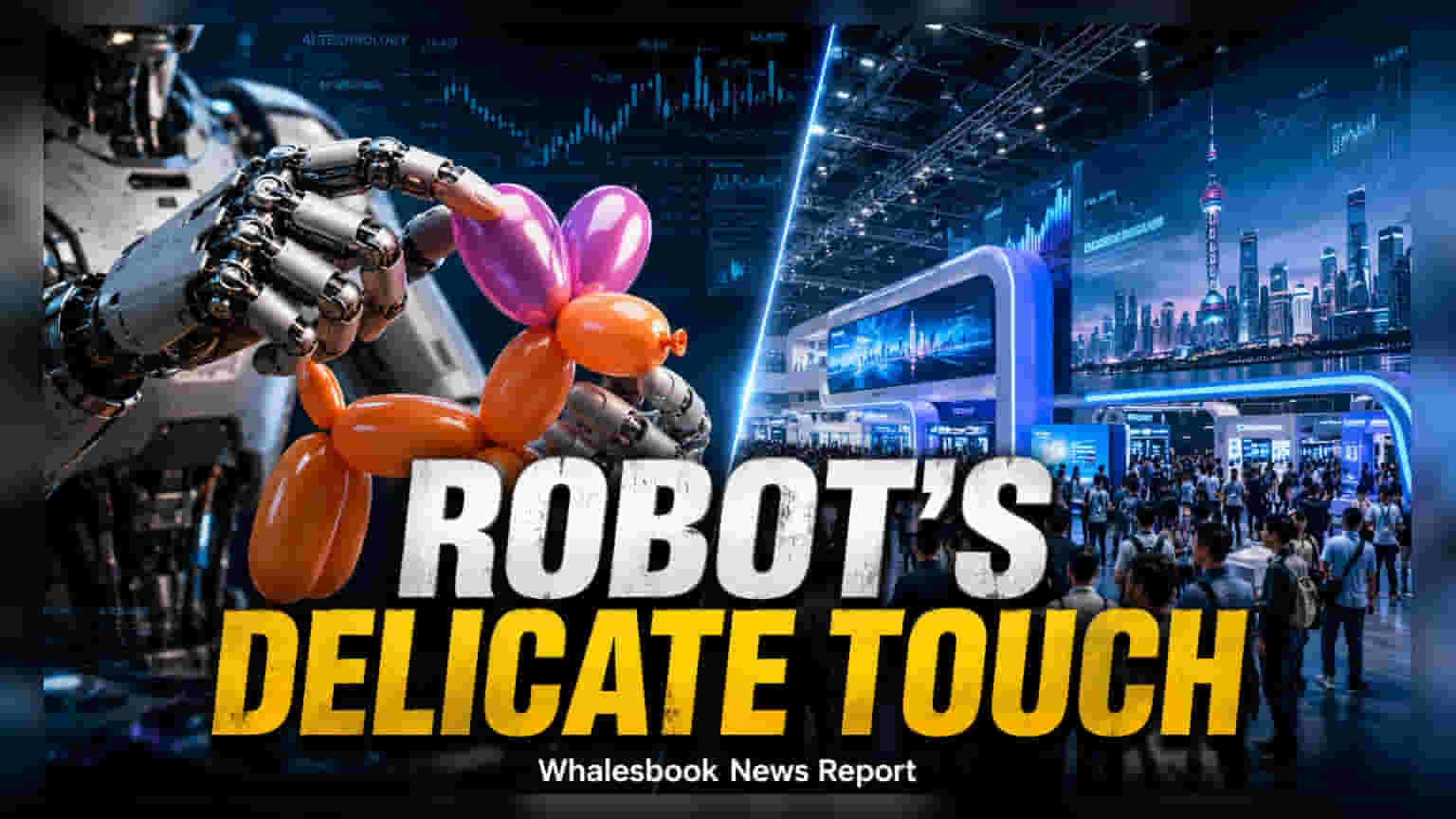
Chinese firm AGILINK showcased a humanoid robot capable of intricate tasks like balloon twisting at the World AI Conference in Shanghai. This demonstration highlights advancements in robotic dexterity, which could eventually expand the use of AI-driven machines beyond factory floors into complex areas like healthcare and delicate manufacturing.
Detailed Coverage
At the recently concluded World AI Conference in Shanghai, Chinese robotics company AGILINK demonstrated a humanoid robot capable of twisting a balloon into a dog shape. While this may seem like a simple feat, the movement requires a high level of coordination, precise force control, and sensory feedback. The demonstration served as a practical showcase of how robots are evolving from repetitive, industrial-focused automation toward more versatile, human-like interaction with fragile objects.
Advancing Beyond Factory Automation
For years, industrial robots have been limited to predictable, repetitive tasks like welding or assembly line movement. Handling soft, irregular, or delicate items has historically been difficult because machines often lacked the delicate touch required to avoid damage. The AGILINK demonstration suggests a move toward 'embodied AI,' where robots combine physical hardware with advanced software to adjust their grip and movement in real time. This capability is seen as an essential step for robots intended for settings like laboratories, hospitals, or service sectors where the environment is less predictable than a standard factory floor.
The Shift Toward Practical AI Applications
The event featured more than 1,100 companies focusing on how AI can be integrated into daily industry and life. AGILINK, like many emerging firms in the robotics sector, is attempting to move its technology into logistics, research, and commercial services. For investors, the long-term trend involves watching how quickly these companies can transition from event-based demonstrations to cost-effective, real-world deployment. The cost of manufacturing high-dexterity robotic hands and the reliability of the sensors involved remain key technical and financial hurdles that manufacturers must overcome to make these robots economically viable for mass adoption.
Monitoring Future Development
While the balloon-twisting demonstration highlights rapid progress in robotic hardware and software, the ultimate measure of success for such companies will be the ability to scale production and prove long-term durability in real-world environments. The next steps for the industry will involve monitoring how these firms manage the high costs associated with research and development and whether they can secure meaningful partnerships for pilot programs in industries requiring high precision. Investors may track future announcements regarding commercial pilot projects or production milestones to better understand the practical market potential for these advanced humanoid platforms.