 Whalesbook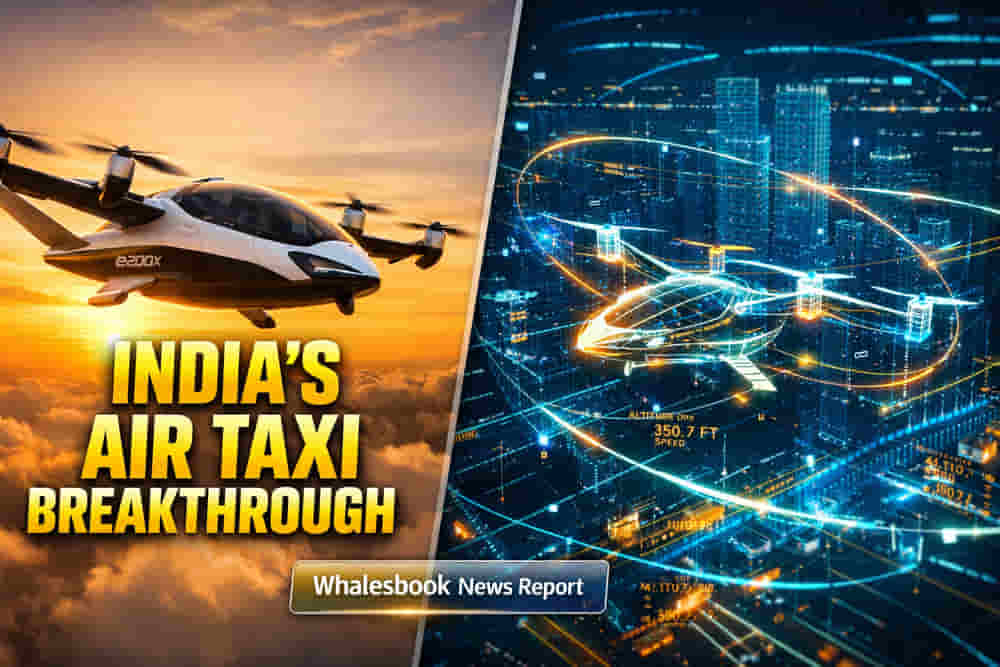
1. THE SEAMLESS LINK (Flow Rule):
The integration of NVIDIA's cutting-edge simulation and AI capabilities marks a strategic acceleration for ePlane's e200x electric air taxi. This partnership moves beyond conventional development cycles by embedding a high-fidelity digital twin and robust onboard computing power, designed to streamline the path to certification and operational readiness.
The Digital Twin Advantage
ePlane is constructing a comprehensive digital replica of its e200x aircraft using NVIDIA's Omniverse Software. This virtual environment allows engineers to meticulously simulate complex aerodynamic physics, assess sensor efficacy, and rigorously test emergency protocols. The reliance on high-performance computing and advanced GPUs enables real-time rendering of flight dynamics, significantly reducing the dependency on costly and time-consuming physical prototypes in the initial development phases. This approach is projected to shorten development timelines by months, if not years, allowing for rapid iteration and validation of design choices. The digital twin also serves as a predictive analytics engine, mirroring physical components to anticipate maintenance needs and detect potential degradation before critical failures occur.
On-Board Intelligence and Certification Ambitions
Beyond the virtual development space, ePlane plans to embed NVIDIA's sophisticated computing platforms directly into the e200x. The startup aims to pioneer regional certification using hardware from NVIDIA's safety-critical stack. This integrated technology is engineered to process continuous data streams from onboard cameras and radar systems, empowering the electric air taxi to make autonomous, real-time decisions essential for passenger safety. This foundational capability is key to achieving advanced autonomous flight operations, a critical differentiator in the nascent urban air mobility market.
NVIDIA's Expanding Indian Footprint
This collaboration highlights NVIDIA's deepening engagement within India's advanced technology ecosystem, extending beyond its established presence in IT services. The chip giant has been actively forging alliances with prominent Indian firms, recently announcing a similar strategic partnership with HCLTech to develop new AI platforms. These moves signal NVIDIA's intent to capture high-value, specialized applications, including safety-critical systems for the aerospace and industrial sectors within India, a market experiencing rapid growth in both AI adoption and advanced manufacturing capabilities.
2. THE STRUCTURE (The 'Smart Investor' Analysis):
Accelerating Urban Air Mobility
The partnership between ePlane and NVIDIA is poised to significantly advance India's nascent urban air mobility (UAM) sector. By leveraging digital twins and onboard AI, ePlane aims to overcome traditional development hurdles and accelerate the path to commercialization for its e200x air taxi. This approach contrasts with many global eVTOL developers who still grapple with extensive flight testing and certification delays. The ability to conduct millions of simulated flight kilometers virtually allows ePlane to validate every structural and algorithmic decision digitally, ensuring safety protocols are perfected before physical deployment.
Competitive Benchmarking and Sector Context
The Indian UAM landscape, while emerging, is drawing increased attention. Competitors are also exploring advanced technologies, though few have announced such deep integrations with high-performance computing for autonomous flight development early in their lifecycle. Globally, companies like Joby Aviation and Archer Aviation are progressing through certification, but ePlane's specific focus on leveraging NVIDIA's integrated simulation-to-production pipeline offers a unique angle. NVIDIA's own market capitalization in early 2026 reflects its dominant position in AI hardware, valued in the hundreds of billions, with its GPUs being essential for complex simulations and AI processing across various industries. The Indian government has expressed support for UAM initiatives, recognizing its potential to alleviate urban congestion, signaling a favorable regulatory environment for innovative players.
Historical Performance and Macro Trends
While ePlane is a private entity and does not have stock price performance to analyze, its funding rounds, such as a significant Series B raise in late 2024, indicate growing investor confidence in the UAM sector and its specific technology. Over the past year leading up to early 2026, the broader aerospace and AI sectors have seen substantial investment, driven by technological advancements and increasing demand for efficiency and automation. NVIDIA's stock, for instance, has shown robust growth, mirroring the escalating demand for its AI infrastructure. The correlation between NVIDIA's market performance and the growth in AI adoption across industries suggests a positive macro trend supporting ePlane's technological strategy.
3. ⚠️ THE FORENSIC BEAR CASE (The Hedge Fund View):
Certification Hurdles Remain Significant
Despite advanced simulation capabilities, the path to certifying any new aircraft, especially one operating in urban environments, remains arduous and subject to stringent regulatory oversight from bodies like India's Directorate General of Civil Aviation (DGCA). The reliance on digital twins, while accelerating development, does not entirely circumvent the need for extensive real-world flight testing and validation. There remains a risk that simulated scenarios may not perfectly capture all emergent complexities of physical flight, potentially leading to unforeseen issues during certification or operational phases.
Execution and Scalability Risks
ePlane, as a startup, faces inherent execution risks. The successful integration and ongoing support of NVIDIA's sophisticated hardware and software stack require deep technical expertise, which could be a bottleneck. Furthermore, scaling production of a novel electric air taxi and establishing the necessary charging and operational infrastructure presents significant logistical and financial challenges. The company's ability to secure further funding rounds to support mass production and market penetration is also a critical factor. While NVIDIA offers cutting-edge technology, its safety-critical stack for aviation certification is still evolving in adoption, and its performance in a commercial air taxi context outside of simulation is yet to be fully proven in the market.
Competitive and Technological Obsolescence
The eVTOL market is becoming increasingly competitive, with numerous global and local players vying for market share and investment. If ePlane's development timeline is not met, competitors utilizing similar or alternative technologies might gain a first-mover advantage in key markets. Moreover, the rapid pace of technological advancement in AI and battery technology means that current designs could face obsolescence sooner than anticipated, requiring continuous and substantial investment in R&D to maintain a competitive edge.
4. THE FUTURE OUTLOOK:
The strategic alliance between ePlane Company and NVIDIA positions the Indian startup as a formidable contender in the global electric air taxi race. The integration of NVIDIA's Omniverse and safety-critical computing platforms is expected to not only expedite the e200x's development and certification process but also set a new benchmark for autonomous capabilities and predictive maintenance in aviation. Analysts anticipate that such deep technology integrations will be crucial for unlocking the full potential of urban air mobility. NVIDIA's continued expansion into specialized industrial sectors like aerospace in India suggests a broader strategic push to solidify its position as the backbone of next-generation AI-driven industries. ePlane's success could pave the way for other Indian aerospace startups to leverage advanced digital simulation and AI technologies, further fueling innovation within the country's burgeoning technology sector.