 Whalesbook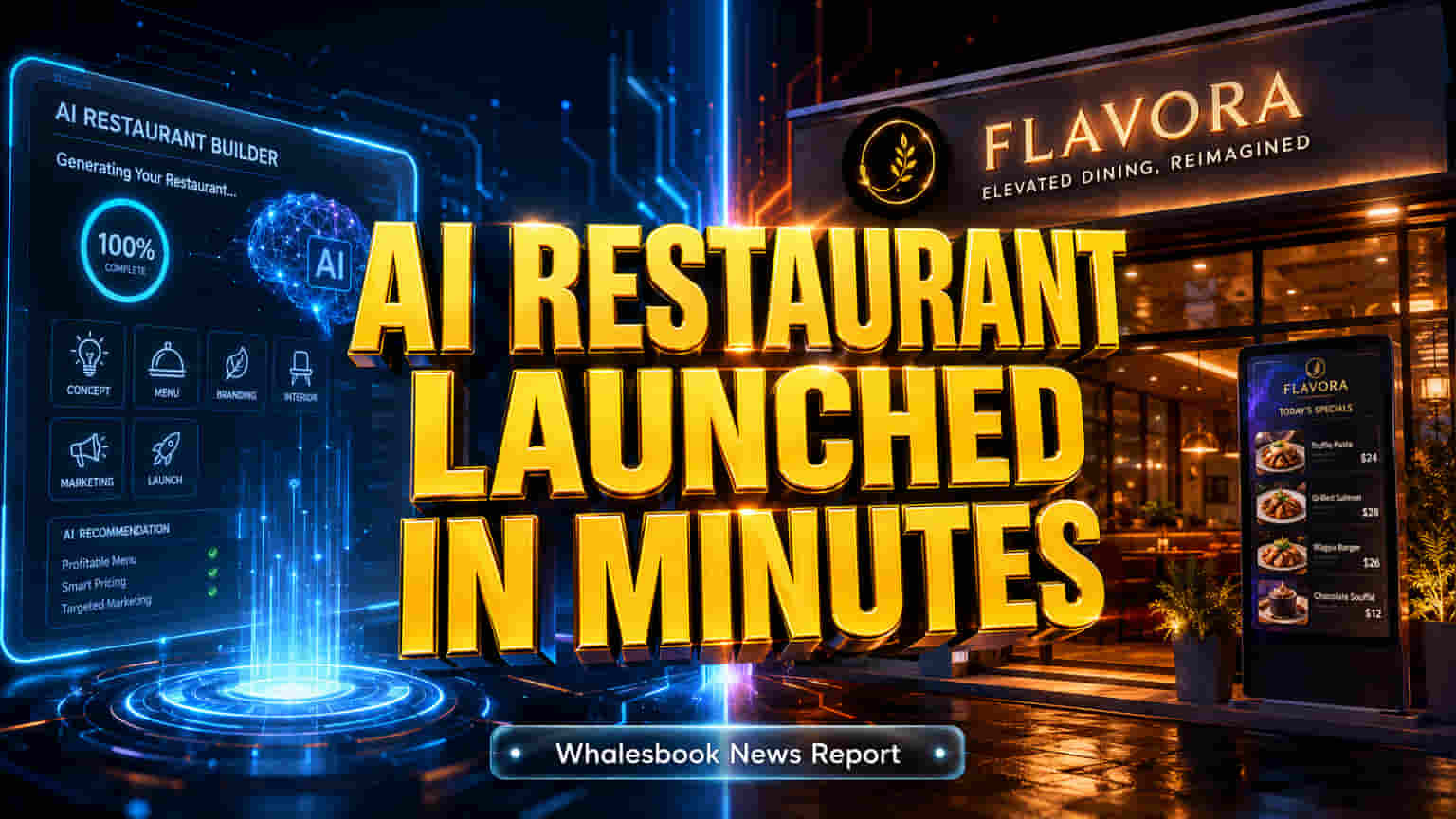


AI Vision Faces Ghost Kitchen Hurdles
Marc Lore's Wonder aims to transform restaurant creation and delivery using artificial intelligence. The company is rapidly building its AI-driven platform, Wonder Create, and expanding its network of automated kitchens. This ambitious approach faces the same tough operational challenges that have historically troubled the ghost kitchen industry.
Wonder Create: AI for Rapid Brand Launch
Wonder Create aims to make restaurant branding accessible, letting users create a full concept—name, logo, recipes—in under a minute using AI prompts. This allows for rapid market entry. Wonder supports this with its growing infrastructure: 120 automated kitchens, set to hit 400 next year, using robotics and a vast ingredient library. The acquisition of Spice Robotics, which makes automated food machines, boosts this automation focus. Wonder's AI strategy targets the fast-growing AI in Food & Beverages market, projected to reach $67.73 billion by 2030. Strong investor backing, including a valuation over $7 billion after a $600 million funding round in May 2025, shows confidence in its tech direction.
Market Position and Key Acquisitions
Wonder is targeting the growing ghost kitchen market, expected to reach $112.99 billion in 2026, fueled by demand for convenient, digital food ordering. Rivals like REEF Technology, which uses parking lots for kitchens, and Travis Kalanick's CloudKitchens, focus on real estate for delivery-only operations. Wonder sets itself apart with AI brand creation and integrated services from its acquisitions: Grubhub for delivery reach and Blue Apron for meal kit knowledge. The $186.4 million Spyce Robotics purchase, aiming for a fully automated prototype by early 2027, further speeds up its automation plans. This combination of AI, robotics, and logistics seeks to build a highly efficient food system.
Risks and Past Failures in Ghost Kitchens
Despite growth, the ghost kitchen sector faces significant risks. The idea of lower costs often struggles against fierce competition, high delivery fees (15-30%), and operational hurdles. The collapse of MrBeast Burger is a clear warning. Customer complaints about food quality and branding led to legal issues and damaged its reputation. This shows the difficulty of controlling quality across many kitchens, a problem Wonder's automation seeks to fix but hasn't proven at its planned scale. While Marc Lore has had successful exits, scaling ventures can bring complexity. Integrating Grubhub and Blue Apron, both facing financial difficulties (Blue Apron's market cap was $98.83M in April 2026), adds further operational challenges. Relying solely on technology without customer trust and guaranteed quality has historically failed ghost kitchens.
Expansion Plans and Success Factors
Wonder plans aggressive expansion, aiming for over 90 locations by the end of 2025 and up to 1,000 restaurants from one large kitchen space by 2035. Its strategic acquisitions and funding indicate a well-supported company innovating in food tech. While other restaurant tech firms have struggled recently, Wonder's all-in-one platform, covering marketplaces, restaurants, and delivery, might provide an edge. Its success hinges on turning AI and technology into consistent, high-quality food that earns customer loyalty—a major challenge that has hindered many ghost kitchen startups.