 Whalesbook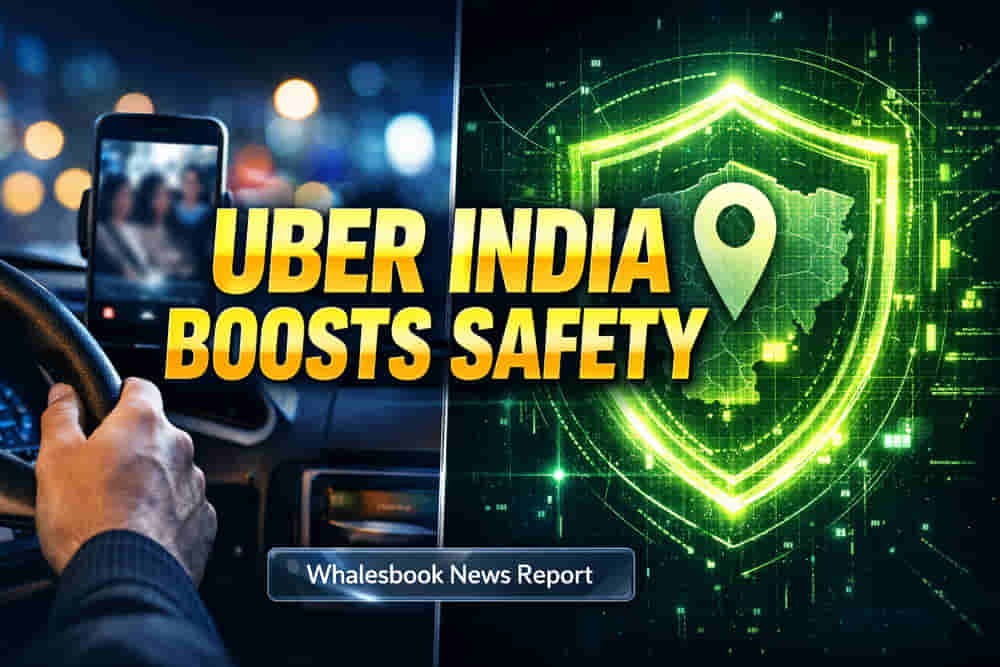
1. THE SEAMLESS LINK
The introduction of Uber's 'RecordMyRide' feature in India represents a calculated strategic pivot, moving beyond traditional ride-hailing services to address critical market adoption barriers through software innovation. This initiative, coupled with the continued expansion of its 'Uber Teens' program, signals a deliberate effort to fortify its market position by prioritizing safety and leveraging existing technology to overcome cost-related obstacles. These combined efforts aim to deepen rider and driver trust while differentiating Uber from competitors in the competitive Indian ride-hailing sector.
The Cost-Effective Safety Edge
Uber's 'RecordMyRide' feature aims to transform drivers' smartphones into dashcams, a move designed to circumvent the high cost of dedicated hardware which has historically limited dashcam adoption in India. By employing a software-based solution, Uber anticipates faster and more widespread adoption across its driver network. Head of Safety Operations for Uber India and South Asia, Sooraj Nair, highlighted this advantage, stating that a software push is significantly easier to scale in the Indian market than a hardware one. The recorded footage is encrypted and inaccessible to both drivers and riders, with access strictly limited to Uber's safety team upon a formal incident report. This approach allows Uber to enhance safety documentation and dispute resolution without imposing significant financial burdens on drivers. With a market capitalization exceeding $150 billion and a P/E ratio around 15.6x, Uber possesses the financial capacity to invest in such technologically advanced safety features. This strategy addresses a key concern for drivers who have faced issues with passenger misconduct and false allegations.
Expanding the Safety Net for Younger Riders
Parallel to the RecordMyRide initiative, Uber is actively expanding its 'Uber Teens' program, designed for supervised rides for minors. Launched in April 2025, this service has already been rolled out to 37 cities in India and is slated for further expansion across all of Uber's 125+ operational cities. The program allows parents to link their accounts, receive real-time GPS tracking, and engage in three-way in-app chats with their teens and drivers. An enhanced 'RideCheck' system is also integrated, capable of detecting even minor route deviations. The Uber Teens program has demonstrated robust growth, achieving 20% quarter-on-quarter trip increases since its inception. This expansion targets a crucial demographic concerned with safety, aligning with survey data indicating that 84% of female riders in India consider Uber the safest way to travel home. India has been a consistent first-mover market for Uber's safety innovations, with features like the 24/7 safety helpline and early versions of RideCheck originating there before their global rollout.
The Bear Case: Data Privacy and Operational Hurdles
While Uber emphasizes the encrypted nature of RecordMyRide footage, concerns regarding data privacy remain pertinent in the Indian context, especially with the evolving Digital Personal Data Protection Act (DPDP Act). Although Uber states that only its safety team can decrypt footage upon formal reporting and that recordings are automatically deleted after seven days if not shared, the potential for misuse or unauthorized access, however minimal, could still pose a reputational risk. The act mandates clear consent for data processing and imposes strict requirements for data sharing and security. Furthermore, competitors like Ola also offer robust safety features, including driver background checks, SOS alerts, and trip tracking. Uber's reliance on software-based recording may face challenges if passengers opt for alternative services due to privacy concerns or objections to being recorded, a point raised by some drivers. Regulatory compliance in India, with its varying state-level rules for ride-hailing and data protection, also presents ongoing operational complexities.
Future Outlook and Market Positioning
Uber's strategic emphasis on safety, bolstered by cost-effective technological solutions like RecordMyRide and the expansion of specialized services like Uber Teens, is designed to deepen rider trust and differentiate itself in the Indian market. By addressing the critical barrier of hardware costs for dashcams and enhancing safety protocols for younger users, Uber is positioning itself as a more accessible and secure option. These initiatives, alongside its strong financial standing, suggest a commitment to sustained growth and market leadership in India, moving beyond purely price-driven competition. Analysts generally view Uber's safety investments positively, seeing them as crucial for long-term market dominance and rider retention in competitive emerging markets.