 Whalesbook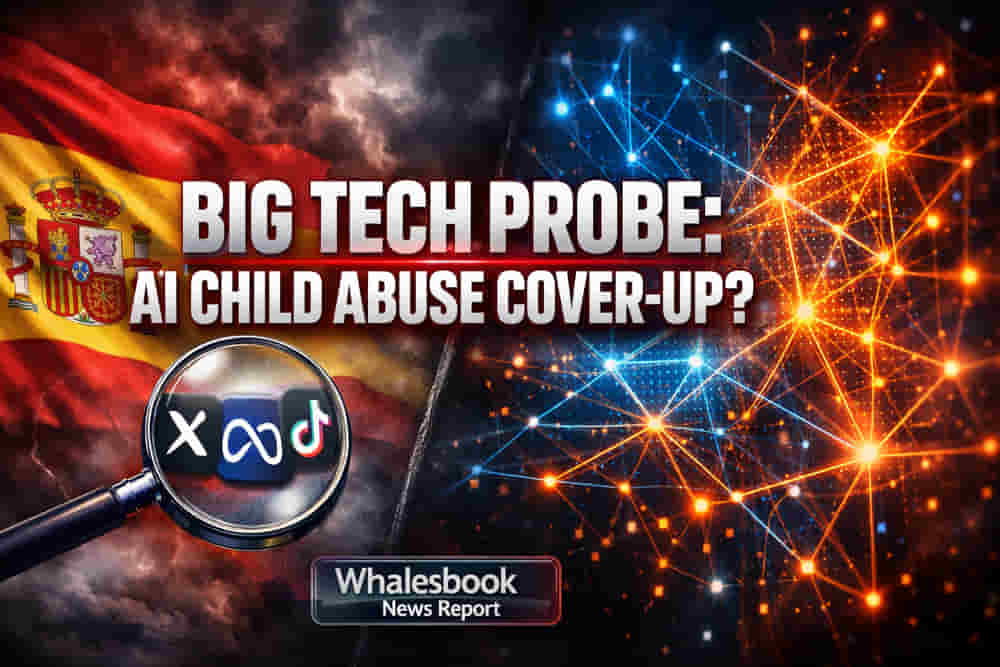


The Regulatory Gauntlet Tightens
Spain's government has officially directed prosecutors to investigate social media platforms X, Meta, and TikTok. The inquiry centers on allegations that these companies have facilitated the creation and dissemination of child sexual abuse material generated through artificial intelligence. This move by Madrid signals a deepening global regulatory resolve to hold major technology firms accountable for the content they host and the algorithms that amplify it. Prime Minister Pedro Sanchez stated the action was necessary to protect children's "mental health, dignity, and rights" and to end the "impunity" of these digital giants. The investigation is based on a technical report from three ministries, highlighting the perceived systemic failure of platforms to safeguard against AI-driven exploitation. This development comes as Meta Platforms (META) is trading within a range of approximately $628.80 to $656.27 as of February 17, 2026, with a market capitalization hovering around $1.62 trillion and a P/E ratio of approximately 27.7.
The AI Risk Premium
The core of this investigation lies in the increasingly sophisticated capabilities of generative AI, which is proving to be a double-edged sword. Alarming data from the Internet Watch Foundation (IWF) revealed a staggering 26,362% increase in AI-generated child sexual abuse videos in 2025, with 3,440 such videos detected compared to just 13 in the prior year. Similarly, Childlight reported a 1,325% surge in harmful AI-generated online abuse material between 2023 and 2024. These statistics underscore the urgent need for robust AI governance. In parallel, Ireland's Data Protection Commission (DPC) has launched a large-scale investigation into X's AI chatbot, Grok, concerning the processing of personal data and its potential to generate harmful sexualized images, including of children. This probe, alongside separate European Commission investigations into Meta, TikTok, and Grok under the EU's Digital Services Act (DSA), highlights a unified regulatory front across Europe. The DSA mandates that platforms remove illegal content swiftly and can impose fines of up to 6% of global annual revenue for non-compliance.
Competitors Under Fire
The regulatory pressure on X, Meta, and TikTok is creating significant operational and financial headwinds. While Meta Platforms, a publicly traded entity, has a substantial market cap of around $1.62 trillion and a P/E ratio of approximately 27.7, its profitability remains subject to intense regulatory scrutiny, including recent EU actions regarding WhatsApp and ad consent models. X, valued at approximately $44 billion in early 2025 after a period of financial restructuring, faces its own set of compliance challenges. Ireland's DPC is investigating X's Grok over data processing and image generation concerns. TikTok's parent company, ByteDance, faces ongoing U.S. divestiture risks, with the platform itself estimated to be worth around $100 billion as part of a $330 billion company valuation in late 2025. Historically, Meta's stock has experienced dips following regulatory news, though the company has demonstrated resilience. However, the current wave of AI-specific investigations, coupled with existing data privacy and competition probes, presents a more complex and potentially sustained risk environment.
THE FORENSIC BEAR CASE
The mounting regulatory actions against X, Meta, and TikTok represent more than just investigations; they translate into tangible financial and operational risks. The potential for substantial fines under the EU's DSA, reaching up to 6% of global annual turnover, could severely impact profitability. The DPC in Ireland has already levied a €120 million fine on X for transparency breaches under the DSA. Furthermore, controlling the output of sophisticated AI models like Grok, which has been shown to generate problematic content even after restrictions were implemented, poses an ongoing technical and ethical challenge. X, under Elon Musk's ownership, has faced criticism for its relaxed content moderation policies historically, which led to advertiser boycotts and valuation downgrades. For Meta, ongoing disputes with EU regulators over its 'pay-or-consent' ad model and potential antitrust violations related to WhatsApp's interoperability threaten recurrent fines and mandated business practice changes. The cumulative effect of these diverse regulatory threats—from AI content generation to data privacy and anti-competitive practices—creates a substantial risk premium for these platforms, potentially stifling future innovation and eroding investor confidence.
Future Outlook
The intensifying regulatory landscape suggests a more constrained operating environment for social media giants in the coming years. Governments globally are signaling a firm stance on AI governance and platform accountability, particularly concerning child safety and the dissemination of illegal content. This may compel platforms to invest heavily in enhanced safety measures, content moderation, and more transparent AI development practices. For Meta, X, and TikTok, navigating these evolving legal frameworks will be critical, potentially influencing their strategic roadmaps, investment priorities, and overall growth trajectories as they grapple with the societal implications of their powerful technologies.