 Whalesbook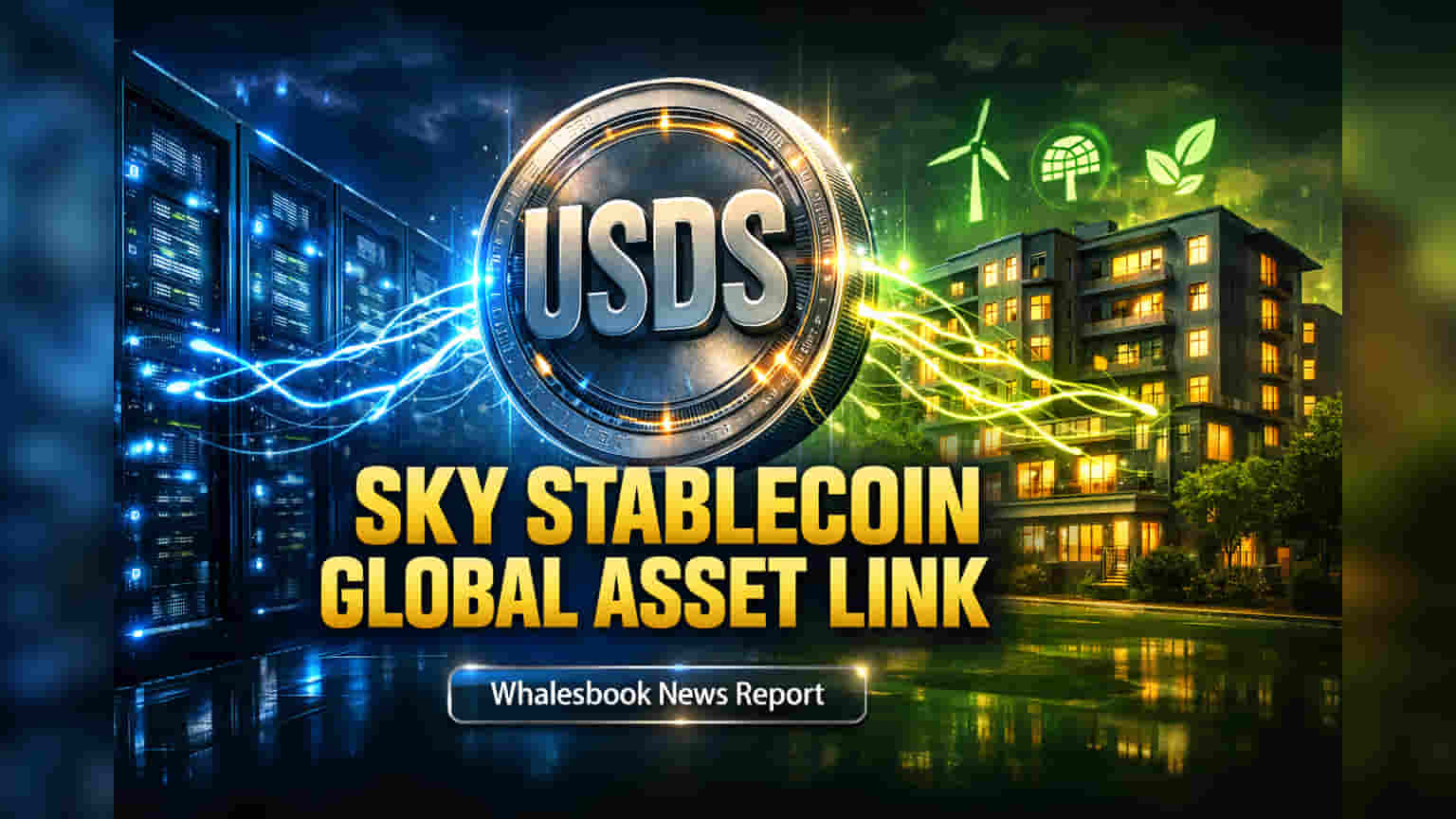
Integrating Real Assets with Stablecoins
Obex's strategic deployment is a key step for Sky's USDS stablecoin, aiming to secure its value and generate returns using tangible assets. This reflects a growing trend toward tokenized real-world assets (RWAs), a market forecast to expand significantly, potentially reaching $400 billion by 2026. The initiative will channel yield from areas like AI infrastructure, housing, and energy into Sky's ecosystem, moving beyond the volatile returns typical in DeFi. However, this growth comes as regulators worldwide, including the U.S. SEC, are increasing scrutiny on tokenized securities and stablecoins, indicating a challenging regulatory environment.
The $1 Billion RWA Initiative
Obex's $1 billion deployment marks a major effort to diversify Sky's USDS stablecoin yield sources beyond crypto-only strategies. By focusing on tangible assets like AI data centers, housing, and energy infrastructure, the initiative taps into the fast-growing tokenized real-world assets (RWAs) market. This market was estimated between $19 billion and $36 billion in early 2026, with tokenized U.S. Treasuries driving much of this growth. Sky Protocol reported $435 million in annualized revenue for 2025 and plans to increase USDS supply beyond $20 billion next year. The overall stablecoin market cap recently surpassed $312.4 billion, showing the widespread use of stablecoins and the potential for RWA integration.
Market Landscape and Regulatory Hurdles
Major firms like BlackRock and JPMorgan are exploring tokenized products, with BlackRock's tokenized Treasury fund reaching $1.7 billion. Platforms like Centrifuge, focused on RWA infrastructure, have secured substantial funding to build institutional lending markets for RWAs. In terms of competition, Sky's USDS competes with established stablecoins such as Tether (USDT) and USD Coin (USDC), which hold dominant market shares. Although Sky's USDS has seen a 26.7% increase in circulation, reaching a $7.92 billion market cap, it remains a smaller part of the overall stablecoin market. The move into RWAs is intended to differentiate Sky, potentially offering yields higher than traditional real estate investments like REITs (around 4%), with tokenized real estate projects targeting 8% to 12%.
The regulatory landscape poses a significant challenge. The U.S. Securities and Exchange Commission (SEC) has emphasized that tokenization does not change a security's legal standing, meaning tokenized assets must follow existing federal securities laws. The SEC's guidance confirms that tokenized securities are subject to the same rules for registration, trading, and eligibility as traditional ones. Offerings providing synthetic exposure are under particular scrutiny and could be classified as security-based swaps, imposing strict trading and eligibility limits. This greater regulatory clarity, while positive for future adoption, requires strict compliance from Obex and Sky as they integrate traditional financial instruments into the blockchain.
Yield Sustainability and Investment Risks
Obex and Sky's focus on generating yield from real-world assets introduces risks around the long-term viability of these income streams. While some tokenized real estate projects target 8-12% yields, these often come with higher risk than more stable, lower-return traditional REITs. The success of Obex's strategy will depend on effectively assessing and managing risks in structured credit, AI capital expenditures, and energy infrastructure, which can be opaque and volatile. Framework Ventures, despite its DeFi expertise, is entering a developing RWA market with limited large-scale integration precedents. The complexity of these assets and the immaturity of the RWA tokenization market raise questions about the consistency of the yields Obex plans to integrate with USDS. Potential regulatory actions or failure to generate sustainable yields could impact the stability of the USDS stablecoin.
Future Prospects
As the RWA tokenization market matures, Obex's $1 billion investment signifies a substantial commitment to integrating traditional finance with DeFi. The strategy's success will depend on navigating the complex regulatory environment and proving the sustainability of its yields. Analysts project the tokenized asset market to reach $400 billion by 2026, indicating strong growth, but emphasize that regulatory clarity and institutional uptake are crucial. Sky's goal to expand USDS supply beyond $20 billion relies on diversifying its yield sources, making this RWA initiative a key part. Obex and Sky's approach may offer a model for other stablecoin protocols looking to move beyond crypto-native yields, provided they can effectively manage the associated complexities and risks.