 Whalesbook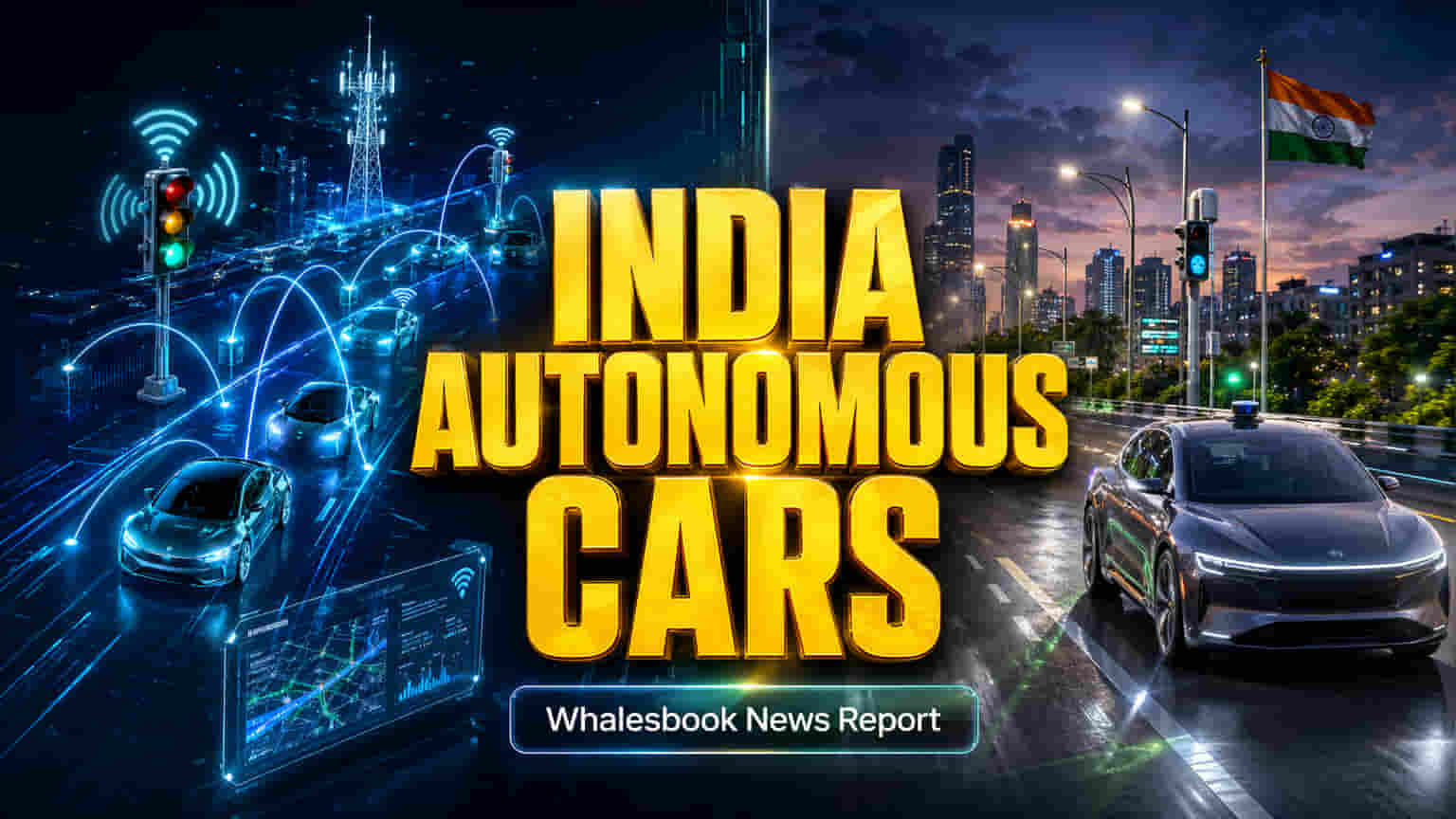


TRAI Starts V2X Spectrum Talks
India's Telecom Regulatory Authority (TRAI) has started a public consultation on rules for Vehicle-to-Everything (V2X) communication. The Department of Telecom (DoT) is leading this effort, aiming to set clear guidelines for assigning and pricing spectrum for roadside units used in smart traffic systems. This is a key step towards integrating autonomous and connected vehicle technologies into India's transport network. Industry players, including COAI, SIAM, ARAI, Qualcomm, and Idemia, can submit comments until May 28, 2026, with counter-comments due by June 11, 2026.
How V2X Works and Safety Benefits
V2X communication allows vehicles to wirelessly share real-time data with their surroundings. This includes data between vehicles (V2V), with infrastructure like traffic lights (V2I), warnings for pedestrians (V2P), and network connections (V2N). The DoT proposes to assign 30 MHz of spectrum in the 5875-5905 MHz band for initial cellular-V2X (C-V2X) use, with another 20 MHz reserved for future smart traffic applications. This spectrum is key for adding advanced safety features that could lower accident rates caused by human mistakes, which TRAI data shows make up about 92% of road incidents due to distractions or poor judgment.
Global V2X Approaches Vary
Around the world, V2X spectrum rules and deployment plans differ. The United States FCC has set aside 5.9 GHz spectrum for smart transport, but discussions continue on the best use between DSRC and C-V2X technologies. The European Union is also developing its V2X rules, often favoring C-V2X. China is moving quickly with its V2X plans as part of its smart city and autonomous mobility goals. These global examples show that spectrum is just one part of the complex V2X puzzle; working together standards and how widely it's adopted are also key to success.
Challenges Beyond Spectrum Allocation
Although TRAI's consultation is an important first step, bringing V2X to India is complex. The proposed 5875-5905 MHz band needs careful handling to prevent interference with services like Wi-Fi. V2X success also depends heavily on building extensive roadside infrastructure, requiring large investments from both public and private sectors. Qualcomm, a major developer of V2X chipsets, is advancing its C-V2X technology globally. For India's automotive sector, integrating advanced connectivity features into vehicles for widespread use remains a challenge, especially considering cost. The industry's current focus on electrification might, however, offer a good fit for V2X integration.
Roadblocks for V2X Adoption
Implementing V2X technology in India faces significant risks beyond just spectrum assignment. Cybersecurity is a major concern; connected V2X systems are vulnerable to advanced cyberattacks that could compromise vehicle safety and data privacy. Strong security rules and constant monitoring for threats are crucial. The investment needed for roadside units and network upgrades will be huge, potentially straining budgets. Unlike markets with ready digital systems, India needs a complete plan for reliable connectivity across its large road network. The auto industry must also ensure different V2X technologies and manufacturers can work together, avoiding compatibility issues that could slow adoption and reduce safety benefits. The high cost of equipping cars with V2X might restrict its initial use to higher-end vehicles, delaying safety improvements for everyone. Managing these large projects with many parties involved carries risks, and past big tech rollouts in India have seen delays and cost overruns.
The Path Forward for V2X
TRAI's consultation paper is the start of India's V2X regulatory process. Success will hinge on the government creating a supportive environment for private investment, encouraging new technology, and meeting critical needs for cybersecurity and infrastructure. Analysts are hopeful but careful about V2X adoption, basing expectations on strong policies and step-by-step plans that put safety and compatibility first. V2X integration is expected to speed up with the global move toward autonomous driving, which could significantly change road safety and traffic flow in the future.