 Whalesbook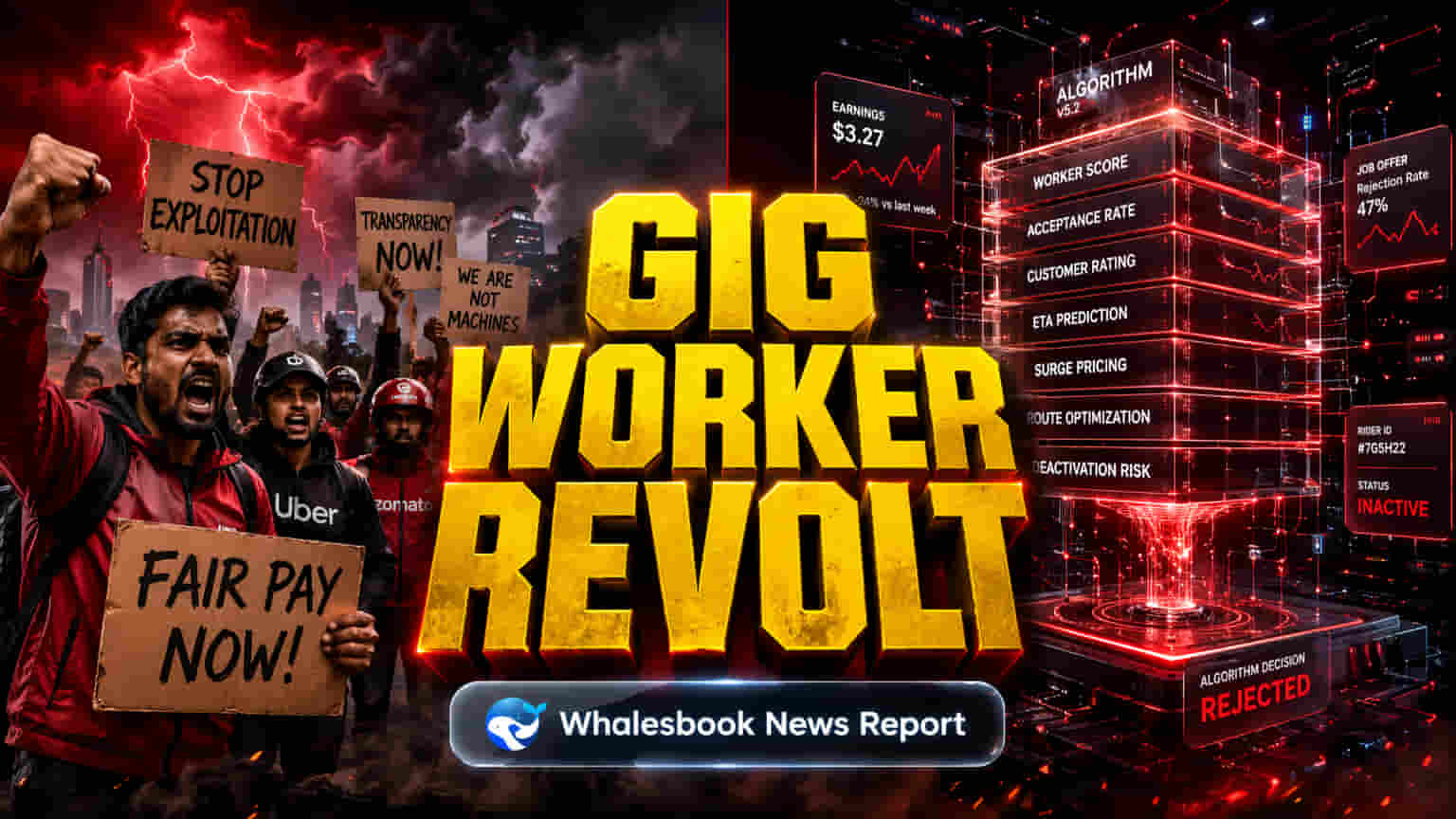


Gig Workers Demand Fair Pay and Rights Amid Protests
Gig workers are raising major complaints about the management system driven by opaque algorithms, often called a 'phantom boss.' Urban Company service professionals are demanding an eight-hour workday, weekly time off, and access to basic facilities, challenging the idea of unlimited flexibility. While Urban Company data shows top earners making over Rs 50,000 monthly, research indicates that active workers on the platform average closer to Rs 28,322 per month during the first nine months of FY26. Similarly, Zomato and Blinkit delivery workers reported average monthly earnings of Rs 27,726 in 2024, a figure often achieved through extended hours that strain the concept of flexible work. Earnings rely heavily on incentives tied to specific targets, and penalties for order rejections or low ratings can significantly reduce take-home pay, creating income volatility.
Strikes Hit Platform Stocks, Raise Costs
The labor unrest is starting to affect major platforms. Shares of Zomato's parent company, Eternal, and rival Swiggy have fallen after nationwide strikes. For example, Eternal's stock dropped 8% in the month before December 26, 2025, amid widespread worker protests. The implementation of new labor codes from November 21, 2025, requiring social security contributions from platform companies, has further worried investors. Analysts estimate potential cost increases of approximately Rs 3.2 per order for food delivery and Rs 2.4 for quick commerce. Zomato (Eternal) holds a Market Cap of ₹238,045.2 Cr. and a Price-to-Earnings (P/E) ratio (TTM) of 94.08 as of April 2026. The quick commerce sector faces ongoing profitability challenges due to high operational costs for dark stores and rider logistics, making substantial increases in worker payouts a significant risk to profit margins. Urban Company has also faced worker protests and legal challenges over policy changes impacting worker flexibility and pay.
Precarious Work Conditions and Income Volatility
The 'phantom boss' effect, driven by constant yet unclear algorithmic control, means workers face a system with diffused accountability. Decisions can feel final with obscured reasoning, leading to issues like worker IDs being blocked without transparent investigation, a practice protested by Urban Company workers. Zomato CEO Deepinder Goyal stated that the company terminates about 5,000 delivery partners monthly for fraud, alongside an estimated 150,000 to 200,000 voluntary exits, indicating a constantly changing workforce. However, worker groups dispute corporate earnings claims, calculating significantly lower net hourly wages after expenses and noting the absence of paid leave, social security, and guaranteed accident insurance. This precarious situation means time spent protesting equals zero earnings, making prolonged strikes difficult for many and hindering unified action.
Regulatory Scrutiny and Future Challenges
Looking ahead, analysts see Zomato's business model as strong but predict challenges from growing competition and expansion efforts that may pressure profits. The increasing regulatory focus, shown by the new labor codes, signals a move toward greater accountability for platform companies regarding worker welfare and social security. The debate over what constitutes 'decent work' in India's fast-growing gig economy is intensifying. This presents a complex challenge for platforms trying to balance rapid growth, investor expectations, and the fundamental rights of their large workforce. The long-term viability of the current platform model, relying on a flexible yet often precarious labor force, is under examination.