 Whalesbook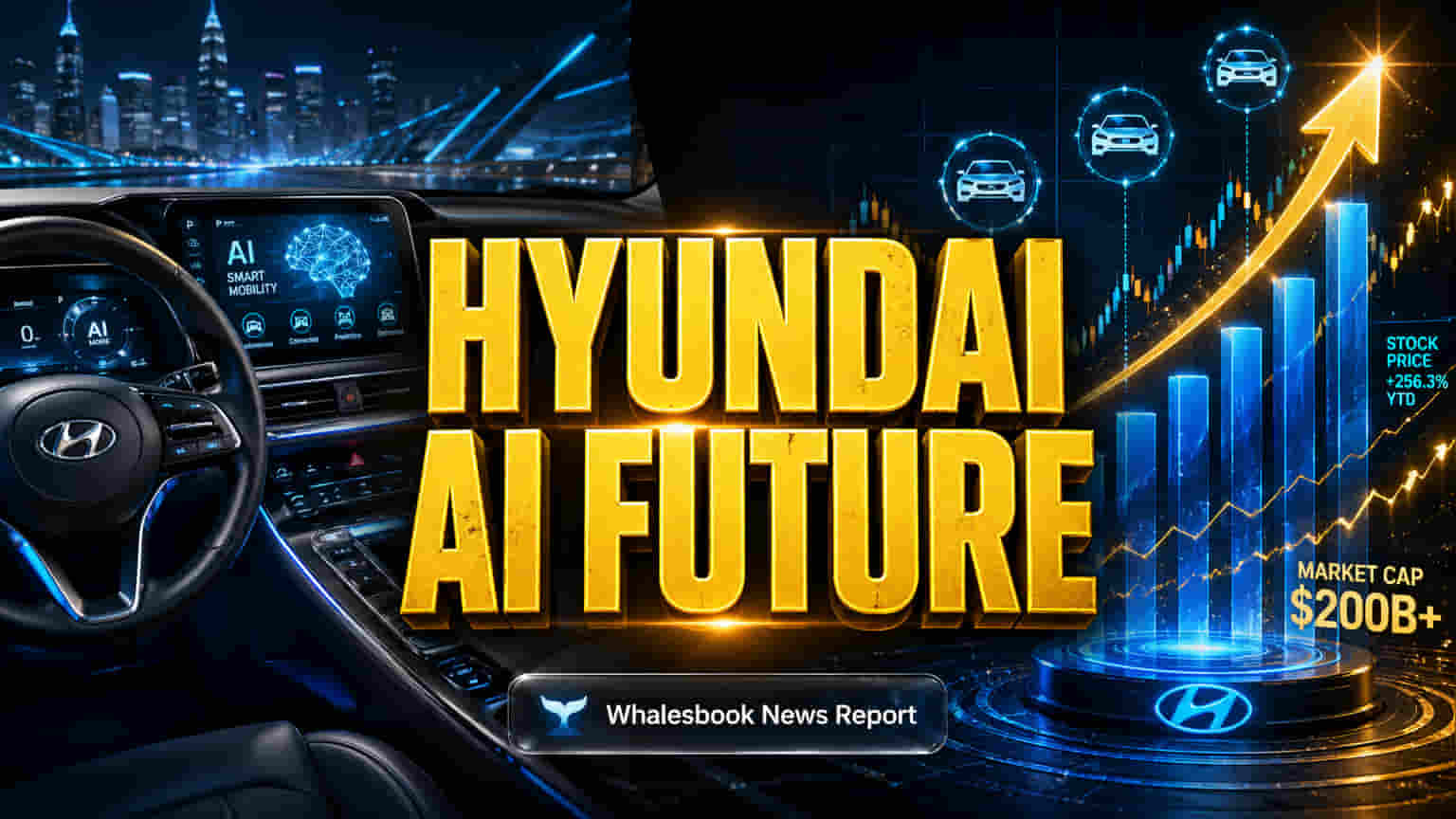


Hyundai's New AI-Powered Infotainment System
Hydani Motor Co. has introduced its new Pleos Connect infotainment system, a key step in its shift to software-defined vehicles. The system features "Gleo AI," a voice assistant designed for natural, multi-step conversations, moving beyond basic commands. Gleo AI can identify different speakers and handle several requests at once, like changing climate settings and inputting navigation. This puts Hyundai alongside rivals such as Mercedes-Benz, which uses generative AI with ChatGPT in its MBUX Virtual Assistant, and BMW, which is adding Amazon Alexa Plus to its iDrive. The car industry is widely adopting these AI assistants. The in-car voice assistant market is expected to reach $3.27 billion by 2026, showing a strong move toward more user-friendly driver experiences.
Software Strategy Promises New Revenue Streams
Pleos Connect supports ongoing over-the-air (OTA) updates, allowing Hyundai to add features and improve performance after sale. This approach changes the business model from a single purchase to a long-term customer relationship, creating opportunities for subscriptions and upgrades. Hyundai plans to equip 20 million vehicles across its brands, including Kia Corp., with this system by 2030. This effort positions Hyundai strongly in the rapidly growing software-defined vehicle (SDV) market, which is projected to be worth over $4.3 trillion by 2035. Automakers aim for software to become their main revenue source, moving away from traditional hardware-focused profits.
Competition and Design Choices
Hyundai takes design cues from Tesla Inc.'s minimalist style and large touchscreens but prioritizes driver safety and ease of use with physical buttons on the steering wheel and dashboard. The Pleos Connect system launches first in the new Grandeur sedan in South Korea before a global rollout. This move allows Hyundai to better compete in the growing software-focused auto market. It reflects a wider industry shift as companies like Hyundai and Kia add advanced digital services and AI. As of April 2026, Hyundai Motor had a market capitalization of $98.84 billion, with a TTM P/E ratio of 11.2. Kia Corp. was valued at $41.40 billion with a TTM P/E of 7.92.
Financial Challenges and Headwinds
Despite technological advances, Hyundai and Kia face financial pressures. Hyundai Motor reported about $580 million in U.S. tariff costs in the first quarter of 2026, leading to a 30.8% drop in operating profit year-on-year. These issues have caused Hyundai's stock to fall amid worries about shrinking profit margins and trade concerns. Kia also saw its operating profit decrease in Q1 2026, partly from U.S. tariffs, higher incentives, and warranty costs. The auto industry broadly is dealing with SDV transition risks, including cybersecurity threats, competition for software talent, and standardization hurdles. Although Hyundai's stock had risen on AI optimism earlier in 2026, tariff volatility has created recent challenges.
Outlook and Analyst View
Hyundai's focus on software and AI aims to boost vehicle value and generate new income. The plan to install the new system in 20 million vehicles by 2030 shows its long-term goals for software-defined mobility. Analysts generally rate Kia Corp. stock as "Buy," pointing to its steady global sales and varied production. For Hyundai, despite recent quarterly results being impacted by tariffs, investors are watching its strong earning potential and long-term plans, especially in robotics and AI. Integrating advanced AI assistants and strong OTA updates is crucial for Hyundai's strategy to remain competitive in the evolving digital auto industry.