

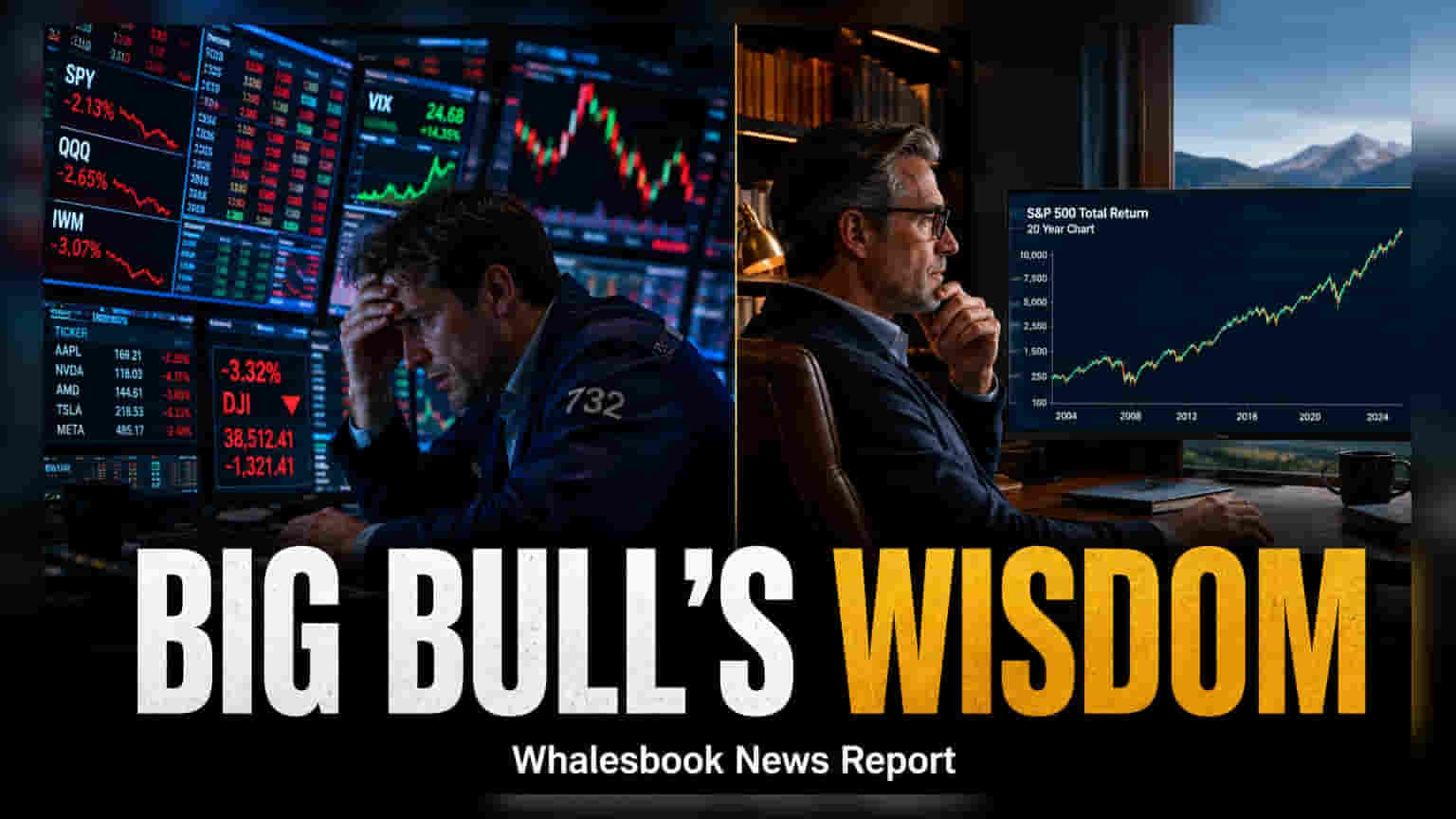
Four years after his passing, Rakesh Jhunjhunwala’s disciplined approach to markets remains a key study for Indian investors. His core philosophy involved strictly separating short-term trading from long-term investing to manage risk and protect capital. This distinction helped him survive market cycles and build substantial wealth through conviction-based, long-term holdings.
August 14, 2026, marks the fourth death anniversary of Rakesh Jhunjhunwala, widely recognized as one of India's most successful market participants. Beyond his portfolio gains, his legacy lies in a structured, disciplined philosophy that clearly divided the stock market into two distinct zones: trading and investing. For many retail investors, understanding this separation is perhaps the most practical takeaway from his market career.
The Dual Brain Strategy
Jhunjhunwala famously practiced a 'two-brain' approach. He insisted that the mindset required for trading was fundamentally different, and often opposite, to the one needed for long-term investing. He warned against the common trap of 'investing in a trade.' This often occurs when an investor buys a stock expecting a quick price rise (a trade), but when the market turns against them, they decide to hold onto the stock as a long-term investment to avoid booking a loss. He viewed this as a dangerous habit that confuses two entirely different risk profiles.
Trading: The Rules of Momentum
When trading, Jhunjhunwala focused on short-term price movements and market trends. He emphasized that for traders, the 'trend is your friend.' This part of his strategy relied on technical analysis and a realistic outlook. The goal here was capital creation, not necessarily business ownership. He accepted that trading carries higher risk, and thus, it required strict rules, such as using stop-loss triggers to exit positions when the market direction did not align with his thesis. He viewed losses in trading as the cost of doing business, provided they were kept small.
Investing: The Value of Conviction
In contrast, his approach to investing was centered on long-term wealth creation. Here, he ignored short-term noise and market volatility. His investing philosophy required what he called 'dogmatism'—the ability to stick to one's convictions even when the market consensus was negative. He often looked for undervalued assets that others were ignoring, betting on the long-term potential of the business rather than the daily price chart. This required immense patience and a willingness to stay invested for years to see the thesis play out.
Risk Management Over Returns
Perhaps the most important aspect of his success was his risk management. He famously practiced the principle of only risking a fraction of his capital at any given time. By limiting his exposure, he ensured that no single bad trade could wipe out his entire portfolio. He viewed losses not as failures, but as essential learning experiences. This perspective allowed him to recover from significant setbacks, including early career challenges, and return to the market with a clearer understanding of risk.
For investors today, the primary lesson remains the need for discipline. Whether one is trading for momentum or investing for long-term growth, the biggest risk is letting emotions cloud the strategy. Keeping the objectives clear—and not confusing a bad trade for a long-term investment—remains a core pillar of effective portfolio management.