

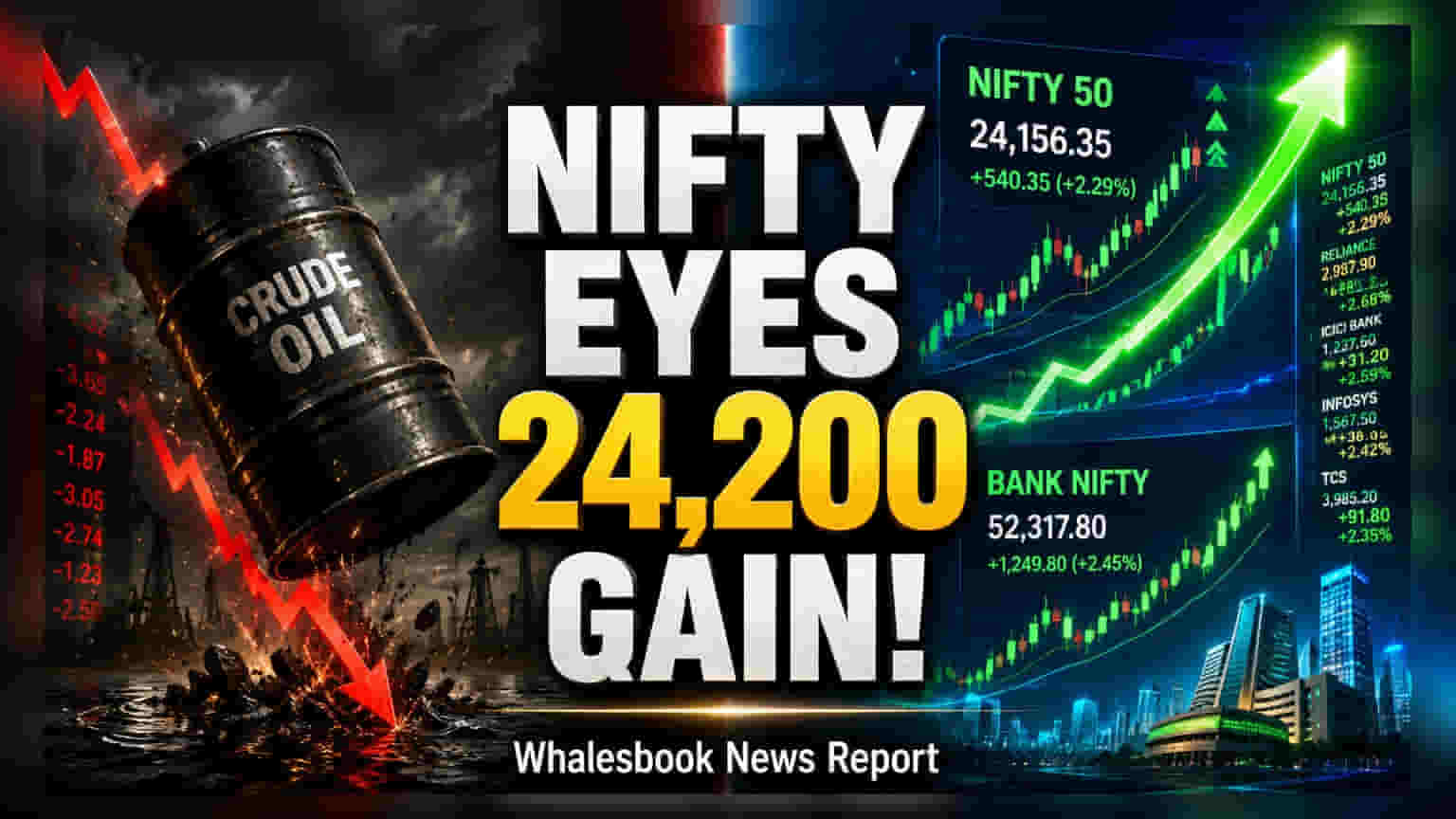
The Nifty 50 and Bank Nifty enter the August series with cautious optimism following a slight dip on July 28. Investors are monitoring a key resistance level of 24,050 for the Nifty, while lower crude oil prices provide a potential support factor for the broader market.
The Indian equity market begins the August trading series with the Nifty 50 and Bank Nifty attempting to find stable ground after a period of consolidation. On July 28, the Nifty 50 closed slightly lower at 23,985, shedding 11 points, while the Bank Nifty fell by 332 points to end at 56,756. Market breadth on the National Stock Exchange remained cautious, with declining stocks outnumbering gainers.
Nifty 50 Technical Hurdles
Market movement currently centers on the 24,050 level. Technical analysis suggests that a sustained break above this mark could shift the index toward the 24,200 to 24,300 range. While the index has managed to hold above key moving averages, establishing a clear trend requires overcoming this immediate resistance. On the lower end, 23,900 serves as a potential support zone where investors may watch for buying interest. The recent trend of higher highs and higher lows provides some support for this outlook, though momentum remains tied to the 24,050 threshold.
Bank Nifty Performance and Banking Sector
For the Bank Nifty, the 57,300 level represents a significant point of interest, as it aligns with the 20-day Exponential Moving Average. Reclaiming this level is essential for a potential rebound toward 57,800 or 58,000. While public sector banks have recently acted as a weight on the index, strength in other banking segments has offered some balance. Notably, ICICI Bank has continued a positive trend, and IndusInd Bank has shown signs of a potential reversal, which investors may monitor for impact on the overall banking index movement.
External Factors and Market Context
Falling crude oil prices are acting as a supporting factor for Indian equities. Since India is a major importer of crude oil, a reduction in global oil prices generally helps in cooling inflationary pressure and improving the sentiment for oil-dependent sectors. However, investors often track these changes alongside domestic demand data and corporate earnings performance to gauge the sustainability of any market rally. The combination of global energy price trends and domestic banking sector performance will likely remain the primary focus as the market navigates the early days of the new month's series. Monitoring the index's ability to maintain support levels while approaching major resistance points will be the next step for market participants.