

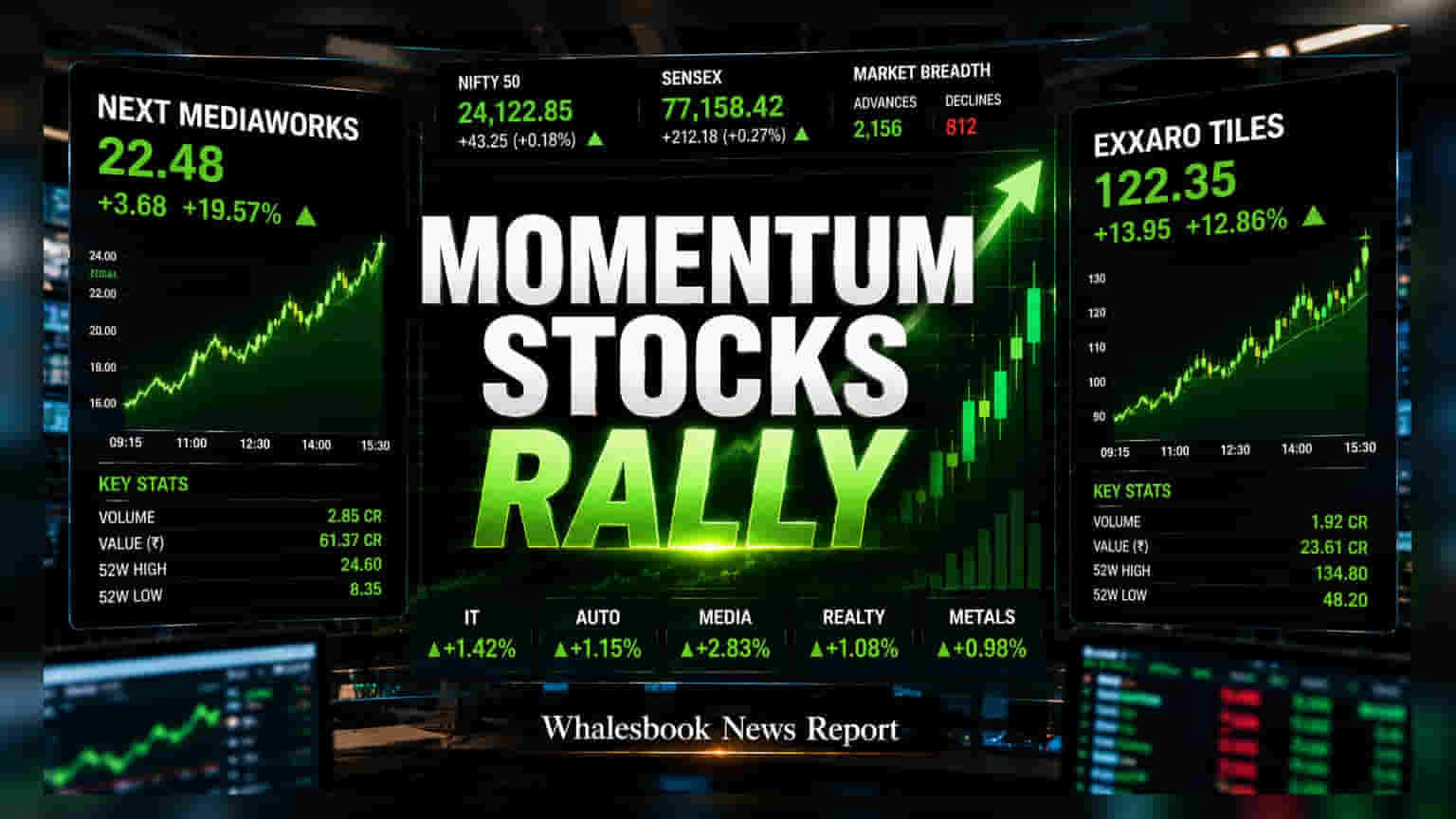
Next Mediaworks and Exxaro Tiles experienced high price volatility on August 28, 2026. While these movements drew market attention, they contrast with the weak financial health of both companies, which face significant challenges like revenue issues and profit declines. Investors should note that such price activity in small-cap stocks often lacks underlying fundamental support.
On August 28, 2026, Next Mediaworks and Exxaro Tiles witnessed significant price volatility, with market data showing sharp swings that caught the attention of some traders. While price movements in smaller companies can sometimes be attributed to technical factors or short-term trading patterns, these shifts have occurred in the context of persistent fundamental challenges for both businesses.
Investors looking beyond the daily price charts face a different picture when examining the financial health of these companies. Next Mediaworks has been grappling with severe operational difficulties. Recent disclosures and auditor reports have highlighted the company’s struggle with zero revenue and an inability to maintain consistent operations. The company has been flagged with 'going concern' risks, meaning there is significant uncertainty regarding its long-term financial stability. Its accumulated losses have largely eroded its net worth, leaving the company with little financial cushion.
Similarly, Exxaro Tiles has reported results that reflect significant operational stress. In recent quarters, the company saw a 94% decline in profits, highlighting substantial margin pressure within its segment of the ceramic tiles sector. Analysts and financial reports have pointed to issues such as high input cost volatility and working capital stress, which have made it difficult for the company to maintain profitability despite periods of revenue growth.
In the stock market, small-cap companies with low trading volumes can often see sharp price movements that do not necessarily reflect an improvement in their business prospects. When companies face deep-seated financial issues, high price volatility is frequently driven by speculative trading rather than long-term investor confidence. For market participants, relying on short-term price charts for these specific stocks can be highly risky because the price action is often disconnected from the actual business performance.
For investors, the most important monitorables remain the official exchange filings and the financial statements released by the companies. Tracking key metrics—such as the ability to generate operating cash flow, debt repayment timelines, and improvements in profit margins—is essential. As both companies continue to navigate financial uncertainty, observers should focus on company announcements regarding debt restructuring, operational pivots, or regulatory updates rather than purely technical price movements.