

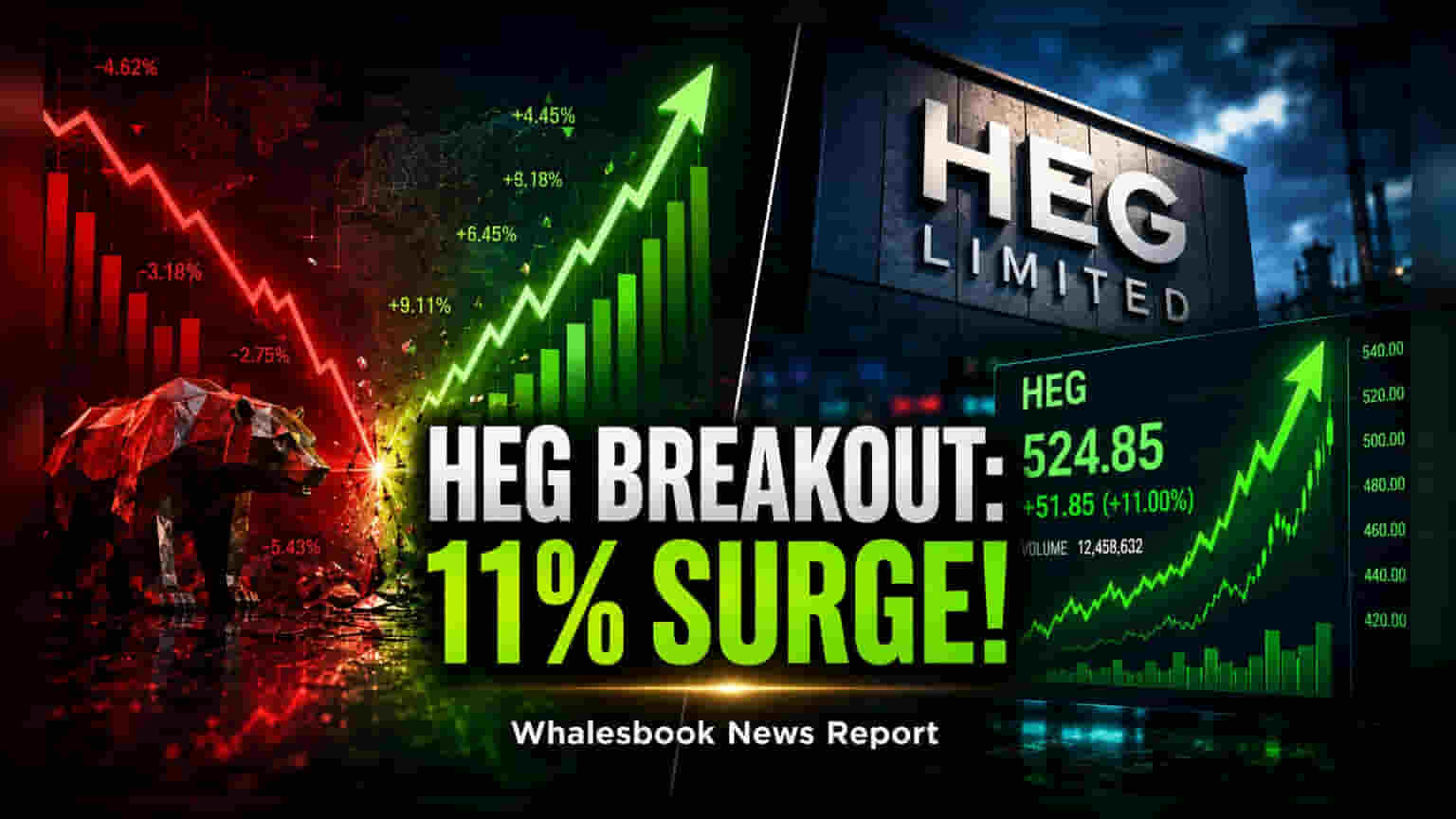
HEG Limited shares climbed 11% this week, reflecting renewed investor interest in the graphite electrode manufacturer. The move comes as the company continues to manage output for the steel industry, though future profitability will depend on global steel demand and electrode pricing trends.
Shares of HEG Limited have seen a notable increase of 11% during the current trading week. This upward price movement follows a period of consolidation where the stock traded within a defined range. For investors, the recent change in price highlights a shift in market sentiment toward graphite electrode producers, which are primary suppliers to the electric arc furnace steel manufacturing industry.
Graphite Industry Context and Financials
HEG Limited operates in a sector heavily influenced by the global steel cycle. As manufacturers increasingly shift toward electric arc furnace production to lower carbon emissions, the demand for graphite electrodes has historically seen periods of support. However, investors often monitor the company's financial health by tracking operating margins, which can fluctuate based on the cost of needle coke—a key raw material—and the final realization prices of electrodes in both domestic and international markets.
In recent quarters, the company has maintained a focus on balancing capacity utilization with market demand. The business model involves significant exposure to global steel production trends, meaning that any slowdown in steel manufacturing or a drop in global steel prices can directly impact the company's revenue and profitability. Unlike some diversified manufacturing peers, HEG’s heavy reliance on the steel electrode segment makes it sensitive to cyclical downturns in the metal industry.
Risks and Market Factors
The graphite electrode sector is also subject to competitive pressure and periodic oversupply. While the company has historically managed its debt levels, maintaining a healthy balance sheet remains important during periods of high raw material price volatility. Investors often look at the company’s ability to pass on rising input costs to steel producers as a key indicator of its business advantage. If electrode prices remain under pressure due to weaker global demand, it may limit the company's ability to maintain high profit margins.
Another point for investors to track is the company’s capital allocation. Management’s approach to maintaining capacity and funding potential upgrades or diversification projects will likely influence future cash flow. Market observers generally monitor these trends alongside broader steel sector updates to assess whether the current price momentum is supported by underlying fundamentals or reflects temporary market optimism.
Moving forward, the primary monitorables for shareholders will be the company’s upcoming quarterly financial results and any management commentary regarding raw material pricing and global order demand. These factors will provide better clarity on whether the current upward trend in the stock price aligns with the company's operational performance and industry outlook.