

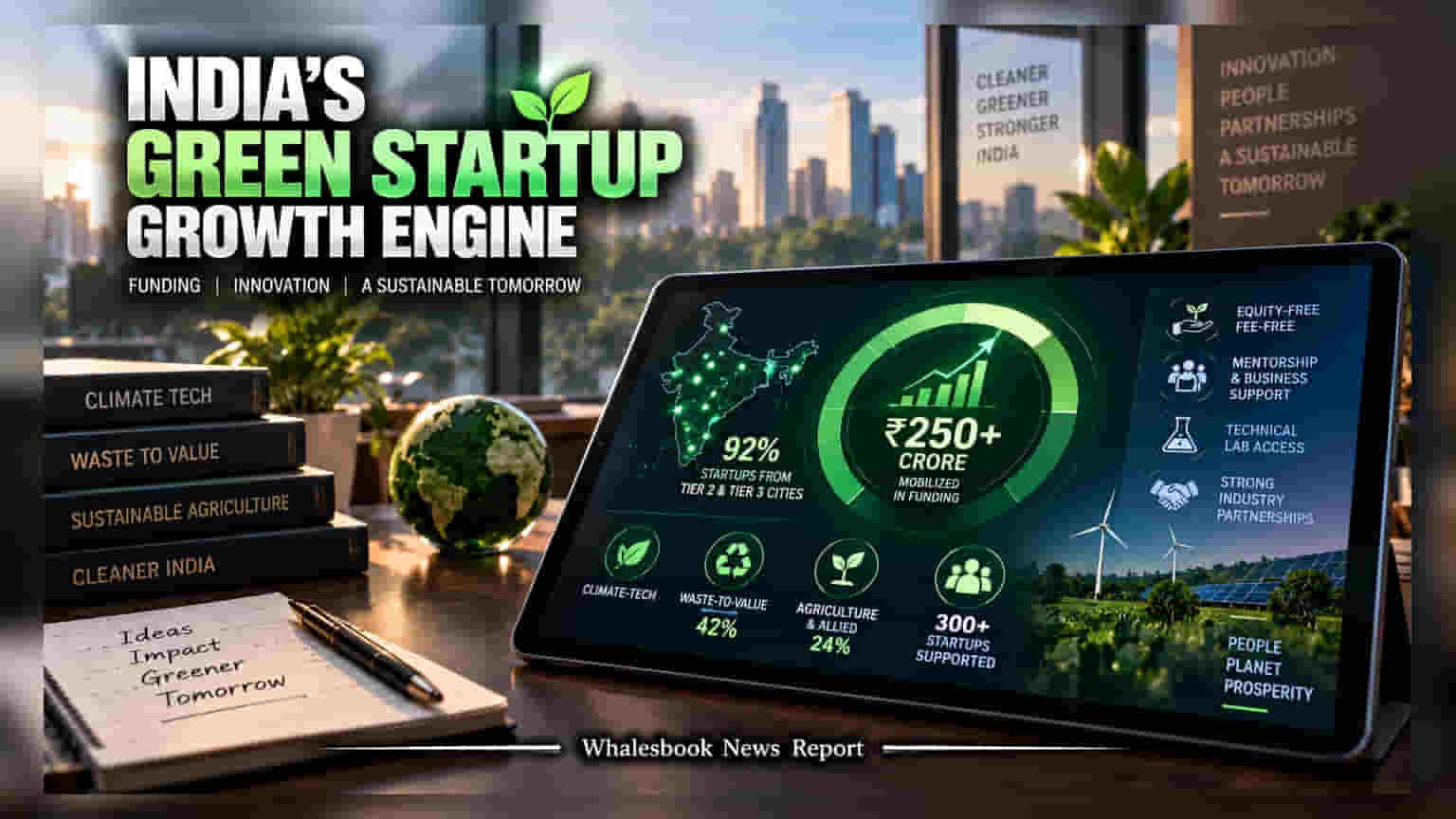
TechnoServe is preparing to scale its Greenr Sustainability Accelerator in India following the successful mobilization of over Rs 250 crore for green startups. The program, which operates on an equity-free model, supports climate-tech and agri-tech ventures primarily in Tier 2 and Tier 3 cities. Industry observers are noting the model's reliance on philanthropic funding as it seeks to integrate more startups into the green economy.
TechnoServe is evaluating the next phase of its Greenr Sustainability Accelerator, aiming to build on its track record of fostering early-stage ventures in India’s green economy. Since its inception, the program has mobilized more than Rs 250 crore in funding, supporting over 300 startups operating in sectors like climate-tech, waste-to-value, and agriculture. The initiative has demonstrated a significant reach, with 92% of the supported ventures originating from Tier 2 and Tier 3 cities, effectively bringing innovation to regions often overlooked by mainstream urban-centric accelerators.
The Non-Equity Model
The program distinguishes itself from traditional startup incubators through its equity-free and fee-free structure. While most accelerators in the Indian market take a percentage of ownership in exchange for mentorship or small seed amounts, Greenr focuses on providing business development support, technical lab access, and mentorship over a 12-month period. This approach is designed to help founders maintain control of their companies while they focus on achieving commercial scale. The accelerator partners with various firms, including Caspian, Peak Sustainability Ventures, and Transition VC, to create a pipeline that bridges the gap between early-stage development and commercial success.
Impact on the Green Economy
The waste-to-value sector has emerged as a primary beneficiary, securing 42% of the mobilized capital, while agriculture and allied sectors account for 24%. By facilitating connections between startups and established industrial supply chains, the program acts as a catalyst for testing and adopting new technologies. For the broader investment community, these programs serve as a crucial discovery engine, identifying startups that are ready for larger rounds of funding. As corporate interest in decarbonization and sustainable supply chains increases, platforms like Greenr provide a verified ecosystem for investors looking to allocate capital into emerging climate-tech firms.
Challenges and Sustainability
Despite the operational success, the program faces distinct structural challenges. Unlike a venture fund that recycles capital through exits and equity returns, the Greenr accelerator relies heavily on philanthropic grants and partnerships, such as support from the IKEA Foundation and the Visa Foundation. This reliance makes long-term continuity dependent on securing recurring donor commitments rather than revenue from equity stakes. Additionally, startups in these sectors often struggle with high initial costs, the difficulty of proving product-market fit in early stages, and the complexities of scaling green technologies in unpredictable economic environments.
Looking ahead, TechnoServe is focusing on blended finance models that integrate grants, equity, and concessional debt to create a more resilient path for these startups. The next phase of expansion will likely depend on the organization's ability to maintain these partnerships while helping ventures demonstrate clear financial viability to external investors.