 Whalesbook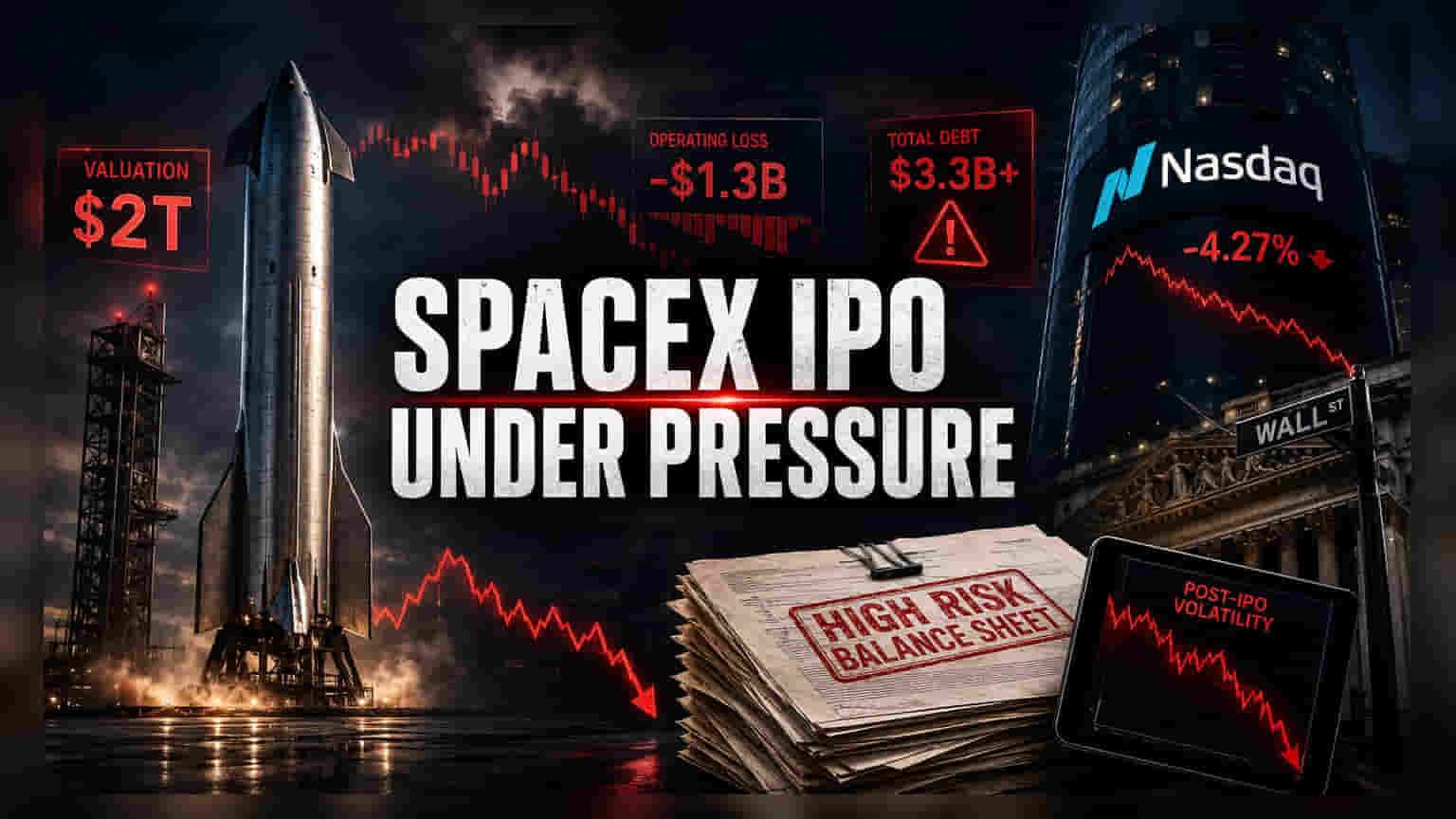


The Valuation Paradox
As the aerospace giant approaches its anticipated June 12, 2026, Nasdaq debut under the ticker SPCX, the market is grappling with an aggressive $1.75 trillion to $2 trillion valuation target. While the IPO aims to raise approximately $75 billion to fund expansion into Starship infrastructure and AI-driven data centers, financial analysts remain divided. Unlike traditional aerospace incumbents, SpaceX is being priced as a high-growth technology conglomerate. This valuation implies a revenue multiple exceeding 90x, a figure that hinges on the assumption that SpaceX can maintain its dominant launch market share while successfully scaling the capital-intensive xAI integration.
The Governance and Debt Conflict
Investor scrutiny has intensified following disclosures in the company's S-1 filing regarding nearly $20 billion in GPU lease agreements between SpaceX and entities affiliated with Valor Equity Partners. Auditor PwC has flagged these arrangements as "failed sale-leasebacks," effectively reclassifying the transactions as secured loans rather than standard asset leases. This accounting intervention forced roughly $9 billion in obligations onto SpaceX’s balance sheet as related-party debt. The structure creates a direct conflict of interest, as Valor—led by Antonio Gracias, a long-term Musk ally and SpaceX director—stands to benefit from both its 7.3% equity stake and the recurring payments derived from these lease obligations, which public shareholders will essentially inherit post-IPO.
The Forensic Bear Case
From a risk-averse perspective, the company’s financial health appears significantly more fragile than the headline valuation suggests. SpaceX reported an operating loss of $4.9 billion in 2025, with AI-related spending accelerating through the first half of 2026. Critics argue that the merger with xAI, while strategically significant for Musk’s broader ambitions, has introduced profound cash-flow volatility. Furthermore, the reliance on high-interest debt and the potential for regulatory pushback regarding the company’s governance structure pose material threats to long-term stability. Unlike competitors that operate with more traditional capital structures, SpaceX remains uniquely exposed to the execution risks associated with its multi-planetary mission and the high burn rate of its AI subsidiary.
Future Outlook
Despite the controversy, institutional demand remains robust, bolstered by new Nasdaq index inclusion rules that may mandate passive buying pressure shortly after the listing. While bull-case scenarios highlight the potential of Starlink’s global connectivity monopoly, the immediate post-IPO period will likely be defined by a volatility test as the market reconciles the $1.75 trillion valuation against the reality of the company's underlying operating losses and complex internal debt arrangements.