 Whalesbook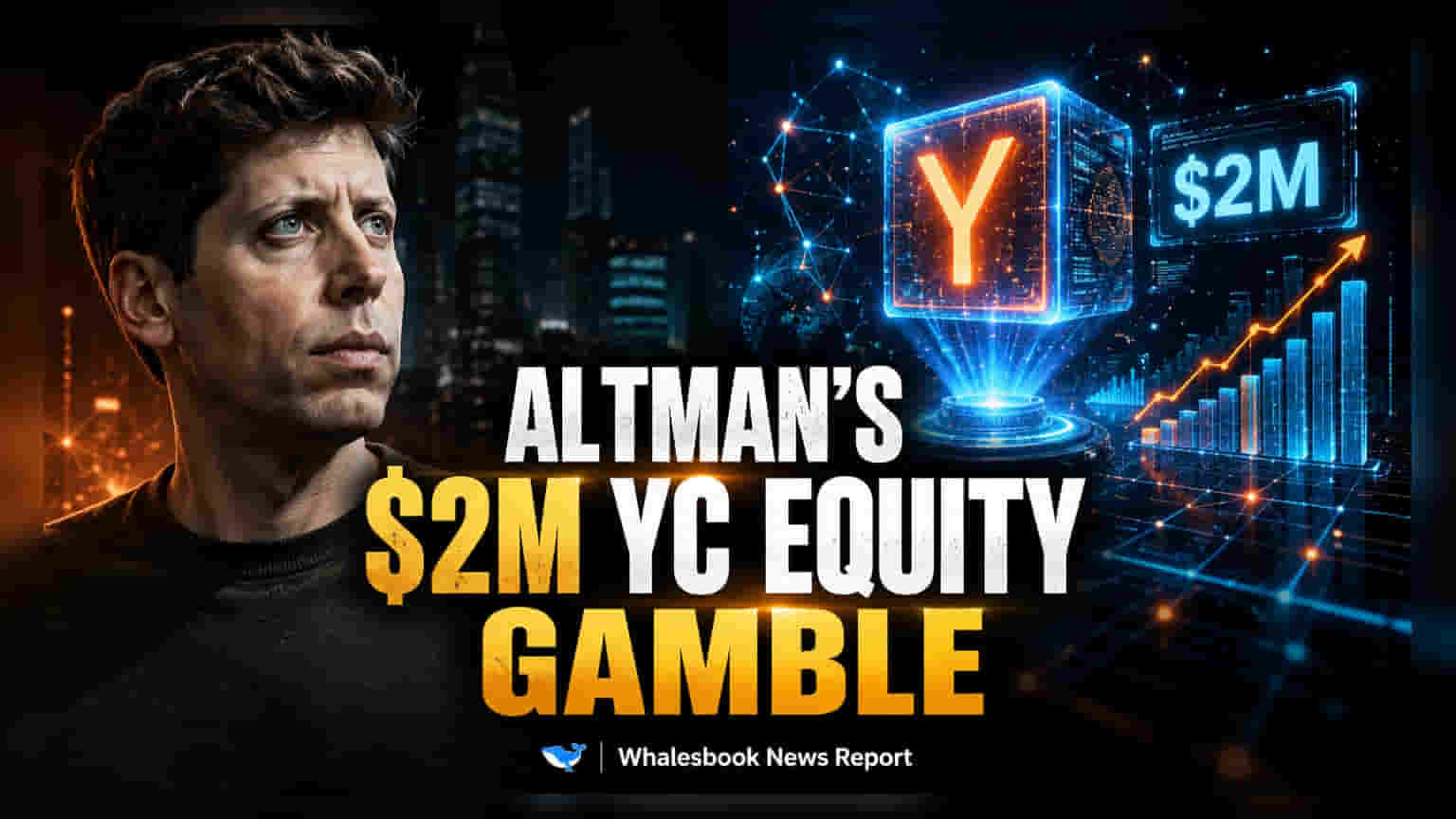


OpenAI's Strategic Token Offer
OpenAI, led by Sam Altman, is launching a new initiative to give every startup in the current Y Combinator (YC) cohort $2 million worth of AI tokens. Instead of cash, this unconventional offer provides early-stage companies with AI utility. In return, OpenAI receives an equity stake structured as an uncapped SAFE (Simple Agreement for Future Equity). This strategy aims to embed startups deeper into OpenAI's ecosystem and discourage them from using competing AI platforms like Anthropic's Claude.
Equity Structure and Benefits
The uncapped SAFE means OpenAI's exact equity percentage will be determined later, during a startup's next funding round, typically a Series A. This allows founders to delay valuation talks and potentially reduce equity dilution if their company achieves a high valuation. For OpenAI, this plan offers a dual advantage: securing equity in a range of new tech ventures and encouraging these companies to build on OpenAI's platform.
Discussions on Value and Risks
This proposal has sparked debate. Supporters point out that it significantly lowers AI infrastructure costs for new startups, which is crucial when funding is tight. However, critics, such as seed investor Jason Calacanis, are wary. Calacanis suggests OpenAI might use a "classic platform playbook," analyzing startup innovations to later offer similar features through its own services. A key question for YC startups is how this token-and-equity deal compares to YC's standard offer of $500,000 cash for a 7% stake and network access.
Competitive Landscape and Future Viability
Sam Altman's past role as head of Y Combinator gives him unique insight into the progress of YC startups. This knowledge adds a strategic dimension to the token-for-equity exchange. Competitors like Anthropic might see this as a move to capture market share by creating early dependencies. OpenAI's long-term financial success will depend on the future cost of AI inference compared to the value of the equity it gains in these young companies.