 Whalesbook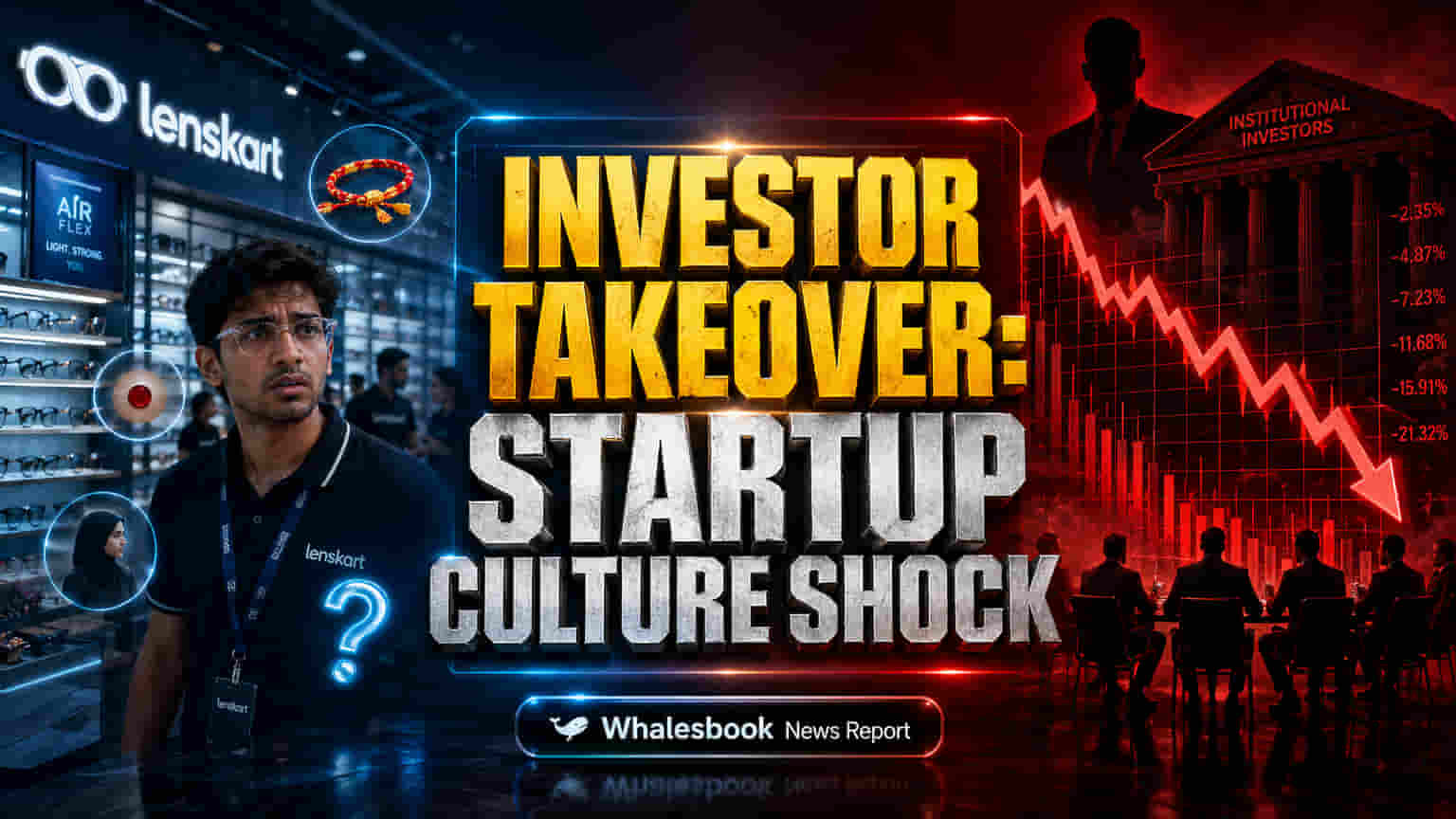


How a Style Guide Sparked Controversy
The controversy surrounding Lenskart's internal grooming policy highlights how company rules, investor demands, and local culture can clash in emerging markets. While the immediate resolution involved an apology and policy clarification, the underlying friction points to a broader challenge for companies integrating global ESG and DEI standards within diverse local contexts.
The Initial Incident
In April 2026, Lenskart became the subject of a social media storm after an internal style guide for customer-facing staff was leaked. The document reportedly allowed religious items like hijabs and turbans but restricted visible Hindu symbols such as bindis, tilaks, and sacred threads (kalawa), with minimal guidelines for sindoor. This perceived religious imbalance triggered widespread outrage, leading to accusations of discrimination and calls for boycotts. CEO Peyush Bansal responded quickly, clarifying that the document was inaccurate and did not represent current guidelines, calling it an outdated training note. He apologized for the confusion, reaffirming Lenskart's commitment to inclusivity and religious expression for all employees. Despite the apology and a revised, inclusive style guide, the incident showed the strong impact of perceived policy missteps in today's highly connected digital world.
Investor Influence and ESG/DEI Pressures
Lenskart has raised over $1.08 billion across 19 funding rounds from investors including Abu Dhabi Investment Authority (ADIA), Temasek, SoftBank, Alpha Wave, KKR, and Fidelity. Promoters currently hold about 17.55% of the company. Social media speculation suggested that the controversial guidelines might have been influenced by ESG and DEI standards from some foreign investors, who are sometimes seen as promoting policies favoring minority rights while potentially overlooking or misinterpreting cultural nuances for the majority population in India. India's National Investment and Infrastructure Fund (NIIF) and other sovereign wealth funds are actively investing, attracted by regulatory incentives and India's growth potential, bringing their global ESG standards with them. However, aligning these universal principles with India's unique culture presents a significant challenge, as Lenskart's experience demonstrated.
Competitor and Sector Context
This incident is not unique. IndiGo airlines faced a similar backlash in April 2026 over alleged grooming guidelines that restricted visible religious items like tilak and sindoor. Air India also issued clarifications regarding outdated cabin crew handbooks that appeared to prohibit certain religious markers. These events point to a wider trend where global companies operating in India, especially those with significant foreign investment and a focus on consistent branding, struggle to balance corporate image with employee expression. Lenskart's competitors, such as Warby Parker, eyewa, and Specsmakers, operate in a similar market, though their public policies on internal guidelines receive less scrutiny.
Valuation and Market Position
Lenskart holds a strong market position as Asia's largest eyewear retailer. Its valuation has grown substantially, with Fidelity marking it up to $6.1 billion in April 2026, up from $5 billion in June 2024. Analysts anticipate potential IPO valuations ranging from $7.9 billion to $10 billion. For FY25, the company reported revenues of approximately ₹7,010 crore ($948 million) and a profit of ₹297 crore ($31 million).
Management and Risks
While Lenskart's CEO apologized, the incident revealed potential management or communication failures. The circulation of an "outdated" policy suggests a lack of strong internal review processes, particularly for sensitive cultural and religious matters. Lenskart has also faced other criticisms, including franchise owners alleging unfair business practices and financial fraud in 2024, which led to an FIR that was later stayed by the Karnataka High Court. Employee reviews on platforms like Reddit have also described a "toxic" work culture with favoritism, lack of accountability, and undue pressure regarding working hours and holidays. These issues can damage trust among employees, partners, and investors.
Reputational Damage and Competitive Weakness
The key weakness exposed is Lenskart's apparent lack of sensitivity to deep-rooted socio-cultural norms in India, where religious expression is often tied to daily life. While the company aims for a uniform brand image, a policy perceived as biased against the majority community can cause significant reputational damage, leading to boycotts and alienating a large customer base. This is especially risky for a company reliant on brand perception and consumer trust, particularly as it prepares for a major IPO.
Operational and Regulatory Hurdles
The controversy, though resolved by management, could still attract regulatory scrutiny under anti-discrimination laws. It might also complicate Lenskart's relationship with its franchise partners, many of whom serve diverse local communities. Balancing global investor expectations for ESG compliance with local sensitivities presents a difficult balancing act.
Future Outlook
Lenskart's planned IPO in late 2025, aiming for a valuation up to $10 billion, remains a key strategic goal. However, this controversy could affect investor sentiment, potentially influencing the pricing or demand for its shares. The company's ability to show a genuine commitment to inclusivity and cultural understanding, beyond just updating policies, will be crucial. While the Indian startup ecosystem is strong and attracts significant capital, including from sovereign wealth funds, incidents like these highlight the risks of cultural misalignment. Future investor interest will likely depend on Lenskart's demonstrated ability to manage diverse stakeholder expectations and operate with cultural intelligence across its extensive network.