

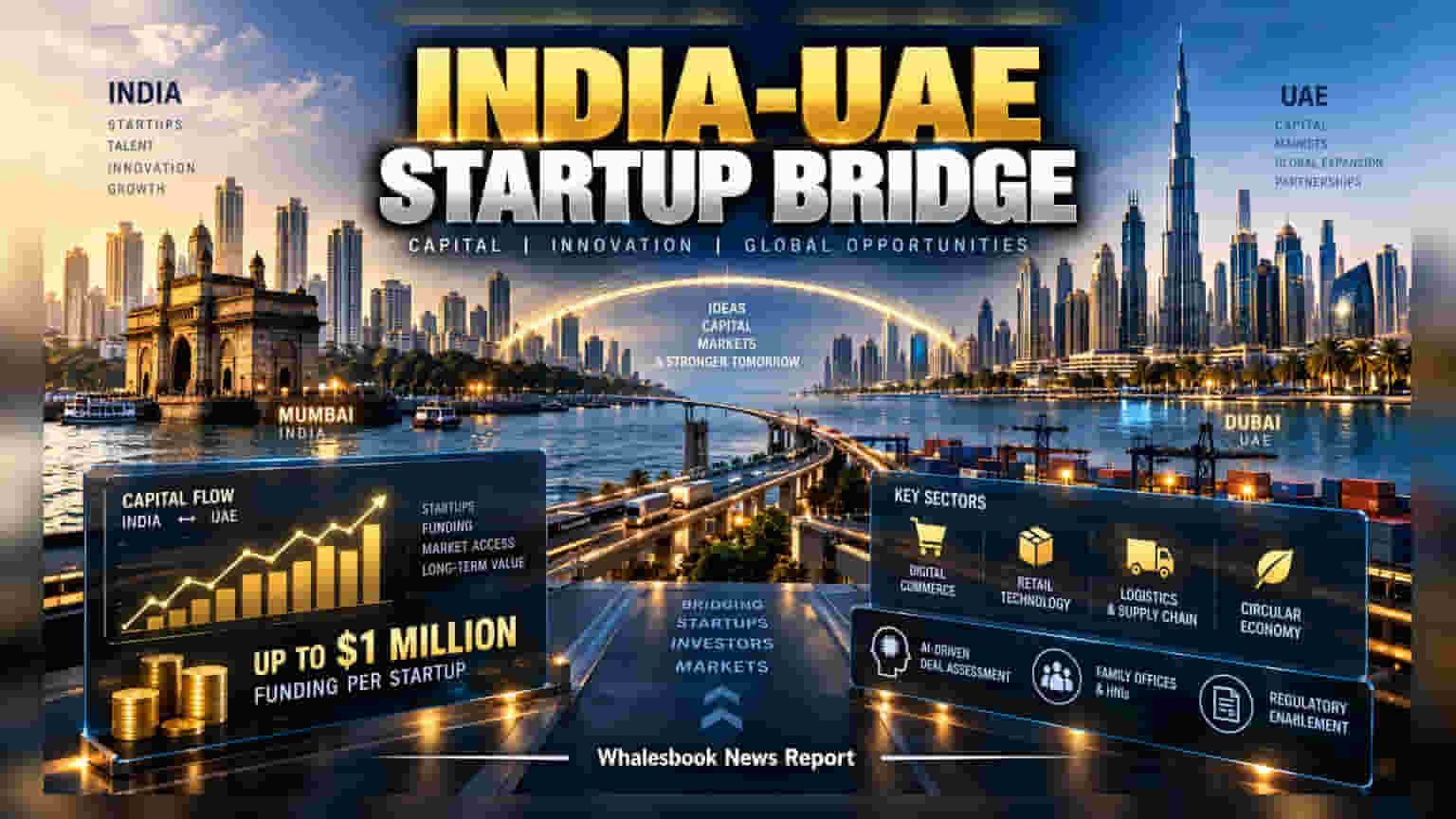
SEBI-regulated platform LVX has partnered with Dubai-based Nqubator to facilitate cross-border startup expansion and funding between India and the UAE. The initiative targets sectors like logistics and digital commerce with potential support of up to $1 million per startup. Investors should note that the agreement is currently a non-binding Memorandum of Understanding, and success depends on complex cross-border regulatory alignment.
The SEBI-regulated private markets platform LVX has entered into a strategic partnership with Dubai-based Nqubator to establish the 'LVX Corridor.' This initiative is designed to create a structured bridge for startups and capital moving between India and the United Arab Emirates. The move aims to resolve the fragmentation often faced by startups when attempting to enter international markets, particularly within the Gulf Cooperation Council region.
The partnership focuses on specific high-growth sectors, including digital commerce, retail technology, logistics, supply chain management, and the circular economy. Under the proposed framework, startups participating in the program could be eligible for funding of up to $1 million per company. This funding is not guaranteed; it is contingent upon readiness assessments and the interest of investors, including high-net-worth individuals and family offices.
To manage potential investment risks, LVX plans to utilize its proprietary AI platform, known as ELVIX. This tool analyzes over 320 data points to assess deal quality and help family offices evaluate opportunities. The collaboration follows a 24-month roadmap. The initial six-month phase will focus on regulatory groundwork, allowing the entities to navigate the specific legal requirements of the Dubai International Financial Centre and the Abu Dhabi Global Market.
While the partnership aims to create an institutional-grade marketplace for cross-border transactions by the end of the two-year period, investors should be aware of several operational realities. The current agreement is a non-binding Memorandum of Understanding. This means there is no legal guarantee that the projected investment flows or funding targets will be achieved. Furthermore, successful execution depends on navigating complex cross-border regulatory frameworks, which can be time-consuming and difficult to integrate across different jurisdictions.
The initiative comes at a time when the Middle East and North Africa region has seen a rise in startup funding activity. For investors, the key monitorables will be the actual deployment of capital, the ability of the platform to secure commitments from family offices, and the progress made in meeting the stated regulatory milestones over the next two years. The transition from the initial groundwork to actual syndicated deals will be the first major test for the partnership's success.