 Whalesbook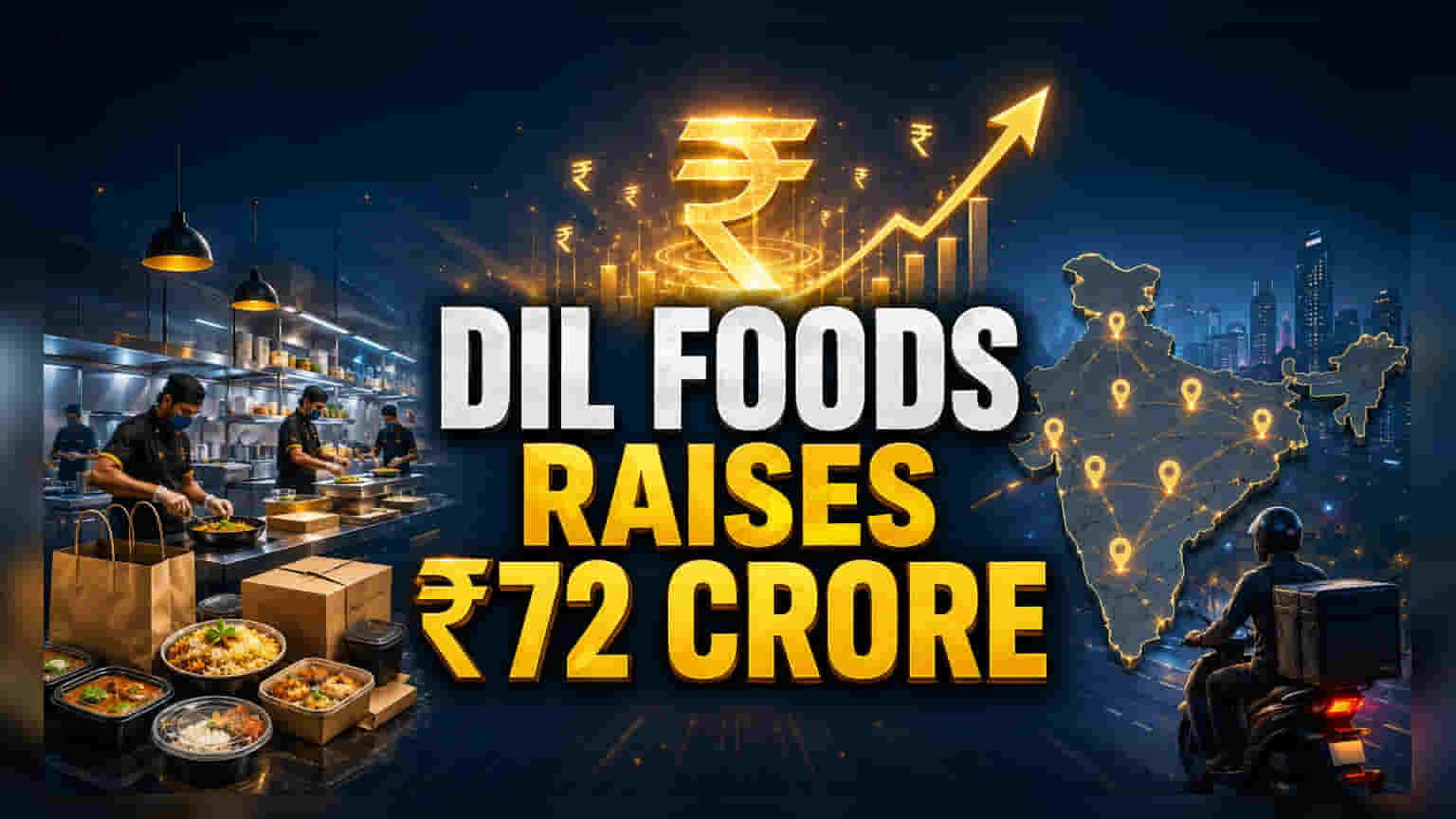


Virtual restaurant operator Dil Foods has raised ₹72 crore in a Series B funding round led by the family office of listed snack maker Bikaji Foods. The capital will support the company's expansion of its asset-light cloud kitchen network. For investors, this deal highlights the evolving landscape of India's food-tech sector, where companies compete with traditional QSR chains and food aggregators.
What Happened
Bengaluru-based Dil Foods has successfully raised ₹72 crore in its Series B funding round. The investment was led by the family office of Bikaji Foods, a prominent player in the Indian packaged food and snacks market. Existing investors, including V3 Ventures and MJV Ventures, also participated, alongside Alteria Capital. Dil Foods operates a virtual restaurant platform, managing a network of over 300 restaurant partners across six Indian cities, covering more than 340 pin codes.
The Business Model and Strategy
Dil Foods functions as a cloud kitchen operator, but with a distinct approach. Unlike traditional Quick Service Restaurants (QSRs) like McDonald's or Domino's that typically own or lease physical storefronts and kitchens, Dil Foods operates on an asset-light model. The company partners with existing local restaurant infrastructure to prepare its branded food items, providing them with technical and operational support. This strategy allows the company to scale its reach across many pin codes without the heavy capital expenditure (capex) usually required to build and staff new kitchen facilities from scratch.
Why Strategic Investors Are Interested
The participation of Bikaji Foods’ family office is a notable development for industry observers. While Dil Foods is a private company, the involvement of a major player from the listed snack and food sector suggests a broader strategic interest in the direct-to-consumer and convenience food space. Investors often monitor such moves to understand where established food companies are placing their bets to capture changing consumer habits, such as the increasing reliance on food delivery platforms and the demand for standardized regional cuisines.
Sector Context and Competition
The Indian food-tech and delivery sector is highly competitive. Dil Foods operates in an ecosystem dominated by food aggregators like Zomato and Swiggy, which have their own private labels and cloud kitchen brands. Furthermore, Dil Foods competes for market share with established public QSR chains such as Jubilant FoodWorks, Devyani International, and Westlife Foodworld. These listed giants have spent years building deep moats through extensive physical store networks, supply chain control, and brand recognition.
Risks and Challenges
While the asset-light model reduces upfront costs, it carries specific business risks. Maintaining consistent food quality across hundreds of third-party partner kitchens can be difficult compared to managing company-owned outlets. Additionally, the cloud kitchen sector is known for high customer acquisition costs. Success in this segment requires balancing growth with tight unit economics. Without a physical storefront, these brands rely heavily on the visibility provided by delivery platforms, which can introduce dependency risks and impact profit margins due to high platform commission fees.
What Investors Should Track Next
For those watching the broader food and consumption space, the key monitorable for Dil Foods will be its path to profitability. Investors should look for updates on how the company manages operational consistency as it scales. Future performance will depend on the brand's ability to retain customers in a market where loyalty is often low and competition from deep-pocketed delivery platforms and large restaurant chains remains intense.