

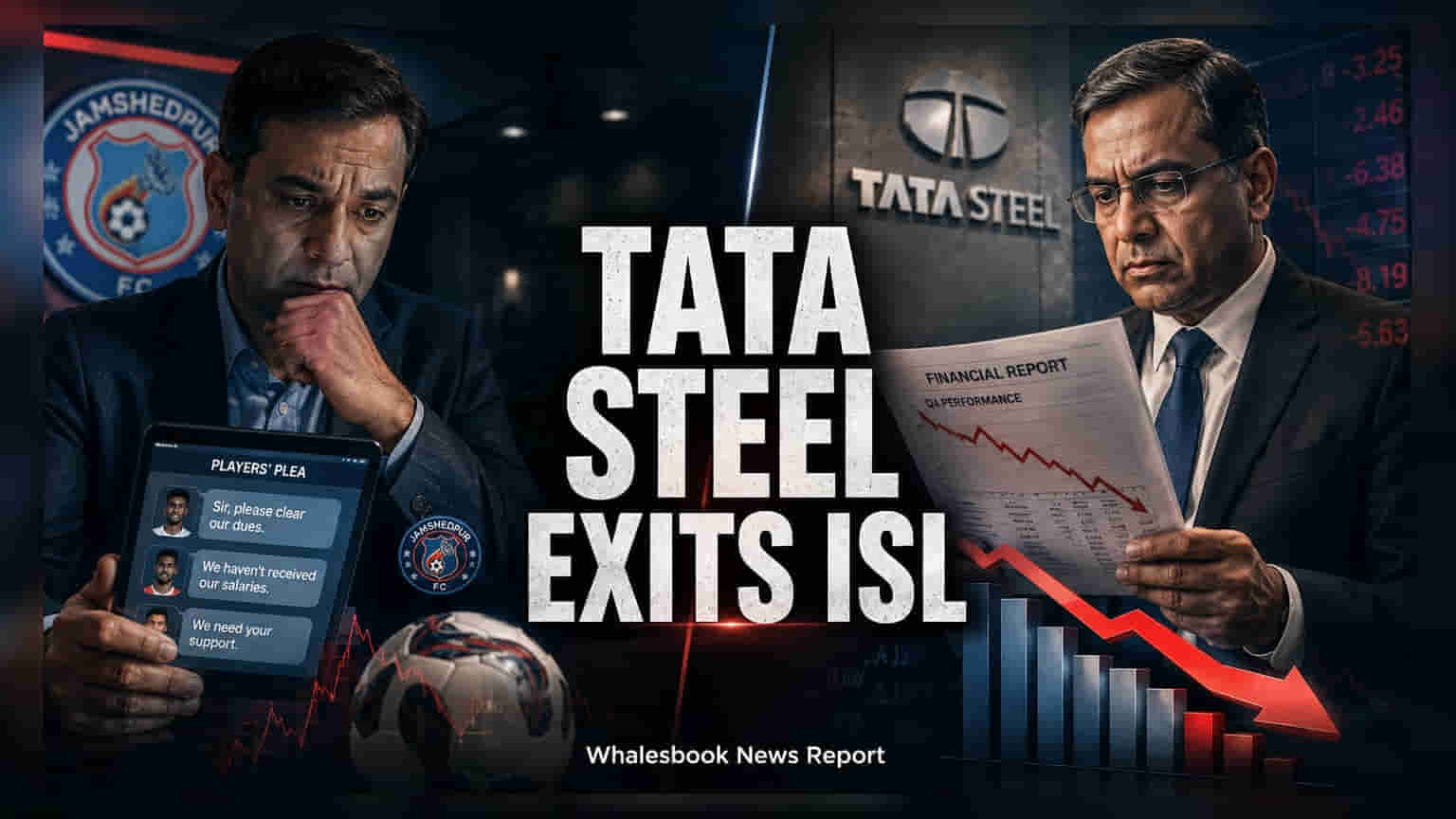
Tata Steel has finalized its decision to exit the Indian Super League (ISL) with Jamshedpur FC. The company stated this strategic shift focuses on grassroots development through the Tata Football Academy rather than financial constraints. Player contracts will be honored, and the decision remains firm despite appeals.
Tata Steel has confirmed that it will not reconsider the withdrawal of Jamshedpur FC from the Indian Super League (ISL). The decision, which follows approval from the company’s board, marks a significant change in how Tata Steel manages its long-standing commitment to sports. D. B. Sundara Ramam, Vice President of Corporate Services, emphasized that the company is shifting its strategic focus toward the Tata Football Academy and various grassroots initiatives to identify talent at an earlier age.
Strategic Shift Toward Grassroots Focus
The company clarified that the withdrawal was not driven by financial pressure. Although there was market speculation regarding the ₹1.10 crore participation fee required for the league's new club-run model, management stated that sports investments at Tata Steel are not evaluated based on profit or loss. Instead, the move is intended to prioritize long-term athlete development programs that start with children as young as seven. By exiting the ISL, the company aims to reallocate its existing sporting infrastructure and training facilities to support these youth-oriented goals.
Impact on Players and Staff
Following the announcement, company officials including Jamshedpur FC CEO Mukul Choudhari confirmed that the timing of the exit was chosen to avoid entering a new four-year commitment with the league. While the professional club will no longer compete in the ISL, the organization has committed to honoring all existing player contracts in accordance with All India Football Federation (AIFF) and FIFA regulations. The company noted that while some senior staff roles may change, the coaching staff involved in grassroots programs will continue their work to support the new focus on youth development.
Context of Sports Investment
For investors, this shift represents a move toward consolidating sports spending within internal academies rather than participating in franchise-based professional leagues. While the financial impact of this specific exit on Tata Steel's overall balance sheet is minimal given the scale of its steel operations, the decision reflects a broader trend of corporate houses re-evaluating their sports marketing and sponsorship strategies. The next monitorable for stakeholders will be the integration of these high-performance centers into the company's community development reporting and whether this realignment impacts the long-term utilization of their sporting assets.