

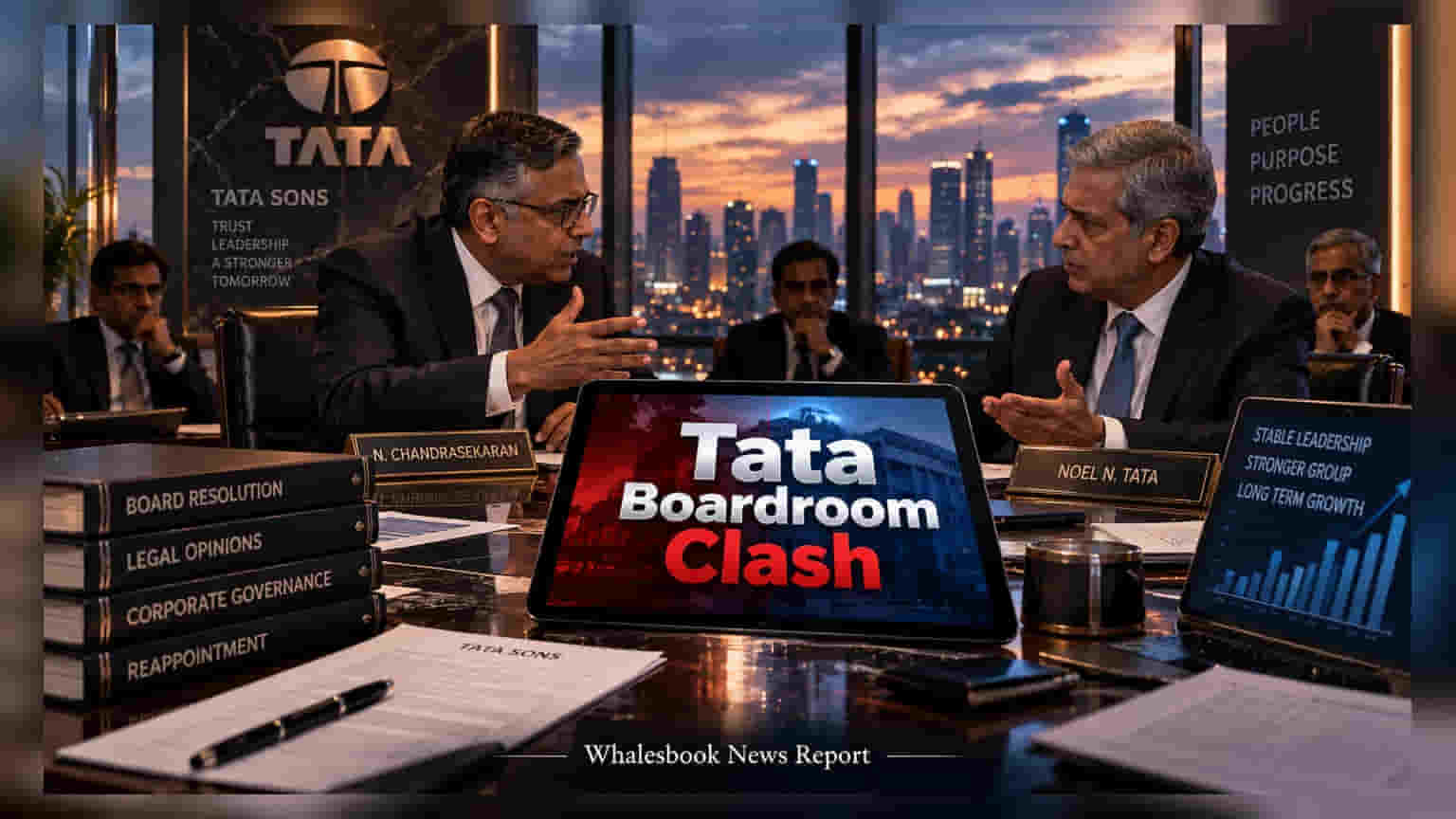
Tata Sons has confirmed the reappointment of N. Chandrasekaran as chairman, rejecting formal objections from Tata Trusts Chairman Noel Tata. The board relied on independent legal opinions to justify a tie-breaking vote used during the decision. This governance conflict between the holding company board and its primary shareholder, the Trusts, highlights internal friction regarding management control and oversight.
Tata Sons has reaffirmed its decision to reappoint N. Chandrasekaran for a third five-year term, dismissing challenges from Tata Trusts Chairman Noel N. Tata. To defend the legality of this decision, the board secured formal opinions from former Chief Justice of India Uday U. Lalit and former Supreme Court Justice B.N. Krishna. These legal experts concluded that the board's actions were compliant with the company's internal rules and procedures.
The core of the disagreement centers on a tie-breaking vote cast during the September board meeting. When the decision for the chairman's reappointment was put to a vote, Noel Tata opposed it, while Venu Srinivasan supported it. Independent director Harish Manwani ultimately used a tie-breaking vote to finalise the decision. While Noel Tata argued that this mechanism should not override the collective view of Trust nominees, the legal opinions obtained by the board clarified that directors have a primary legal responsibility to act in the best interest of the company, which stands above their obligations to the entities that nominated them.
Another point of contention involved procedural rules regarding the selection of a chairman. The Noel Tata camp argued that a specific five-member committee was required for the appointment process. However, the company clarified that this requirement applies only when selecting a new leader, whereas the current board action concerns the reappointment of an incumbent chairman whose term continues until February 2027. The company noted that this process follows the same precedent used during the chairman's previous reappointment in 2022.
For investors, this dispute is notable because Tata Sons serves as the holding company for the multi-billion dollar Tata Group, which includes major listed entities like TCS, Tata Motors, and Tata Steel. The relationship between the Tata Trusts, which own 66% of the company, and the board of Tata Sons is critical to the group's strategic direction. Governance disputes at the holding company level are closely watched by the market, as consistent and stable leadership at the top is essential for the long-term health and decision-making of the group’s various subsidiaries. While the internal disagreement has reached a point of formal legal review, the board’s current stance indicates a commitment to the continuity of the existing leadership. The key monitorable for the group will be the resolution of this internal friction and its potential impact on the collective governance structure of the conglomerate.