

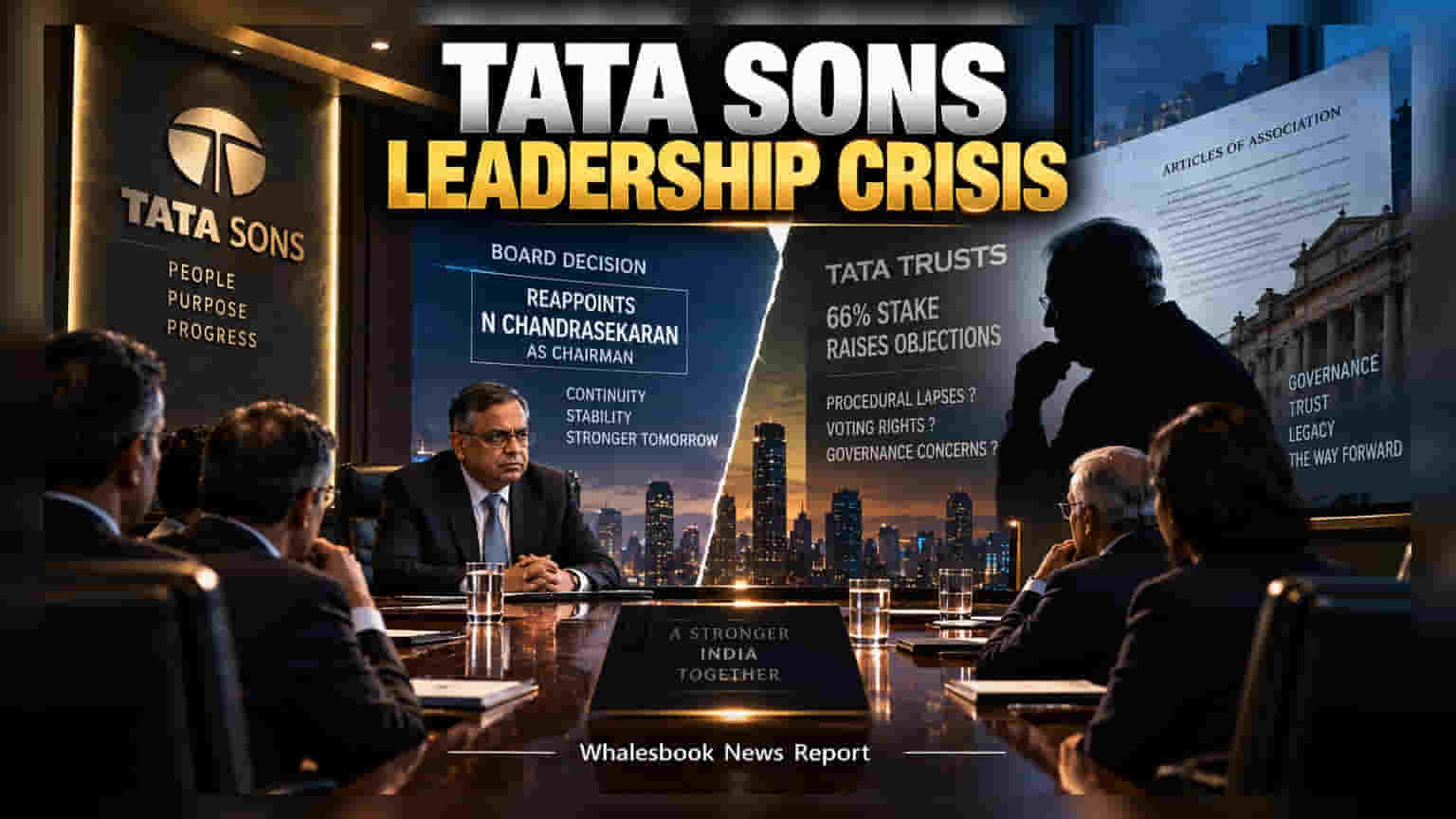
Tata Sons is facing an internal governance disagreement regarding the reappointment of Chairman N Chandrasekaran. Independent directors Harish Manwani and Anita George backed the resolution, which Tata Trusts, the majority shareholder with a 66 percent stake, claims was invalid. This conflict highlights a potential rift over board and promoter authority, creating uncertainty for the conglomerate.
The Tata Group is witnessing a rare and significant governance disagreement at its holding company level, Tata Sons. On September 17, the board of directors voted to reappoint N Chandrasekaran as the Chairman for another term. However, this decision has met with resistance from Tata Trusts, which holds 66 percent of the company and argues that the board did not follow the required procedures under the Articles of Association.
At the center of this standoff are two independent directors, Harish Manwani and Anita George, who played a key role in passing the reappointment resolution. Their support for the move has placed them at the heart of an unfolding debate regarding the balance of power between the board and the promoter group. The core of the dispute involves whether Tata Trusts has specific affirmative voting rights that were allegedly bypassed during the September 17 board meeting. This disagreement raises questions about how decisions are reached at the conglomerate and whether the board and the majority shareholder can find common ground.
Harish Manwani, who chairs the nomination and remuneration committee, brings a background in managing global corporate conflicts. His experience includes working with major global companies like Unilever and navigating high-stakes investor negotiations at firms like Qualcomm and Nielsen. Anita George, who joined the Tata Sons board in 2022, comes from an institutional investment background, having previously worked at CDPQ, a large Canadian pension fund. Her past professional roles involved managing large-scale investments in sectors like power and finance, which now form part of her corporate profile as she manages these high-stakes decisions at Tata Sons.
For investors and market participants, this standoff is significant because it touches on the stability of leadership at one of India's largest conglomerates. Strong governance is a critical factor for long-term value creation. When there is a public rift between a board and a dominant shareholder, it creates uncertainty about strategic direction and executive authority. While both sides represent legitimate governance perspectives—the board acting as an independent body and the Trusts as the primary shareholder—the current situation is unconventional.
The next steps for the company remain unclear. If the two sides cannot resolve the issue through internal discussion, it could potentially lead to further legal or regulatory scrutiny to interpret the company's Articles of Association and the validity of the board’s vote. Investors will likely track any official statements, potential management adjustments, or legal updates regarding the interpretation of governance rights, as these will determine the long-term resolution of this conflict.