

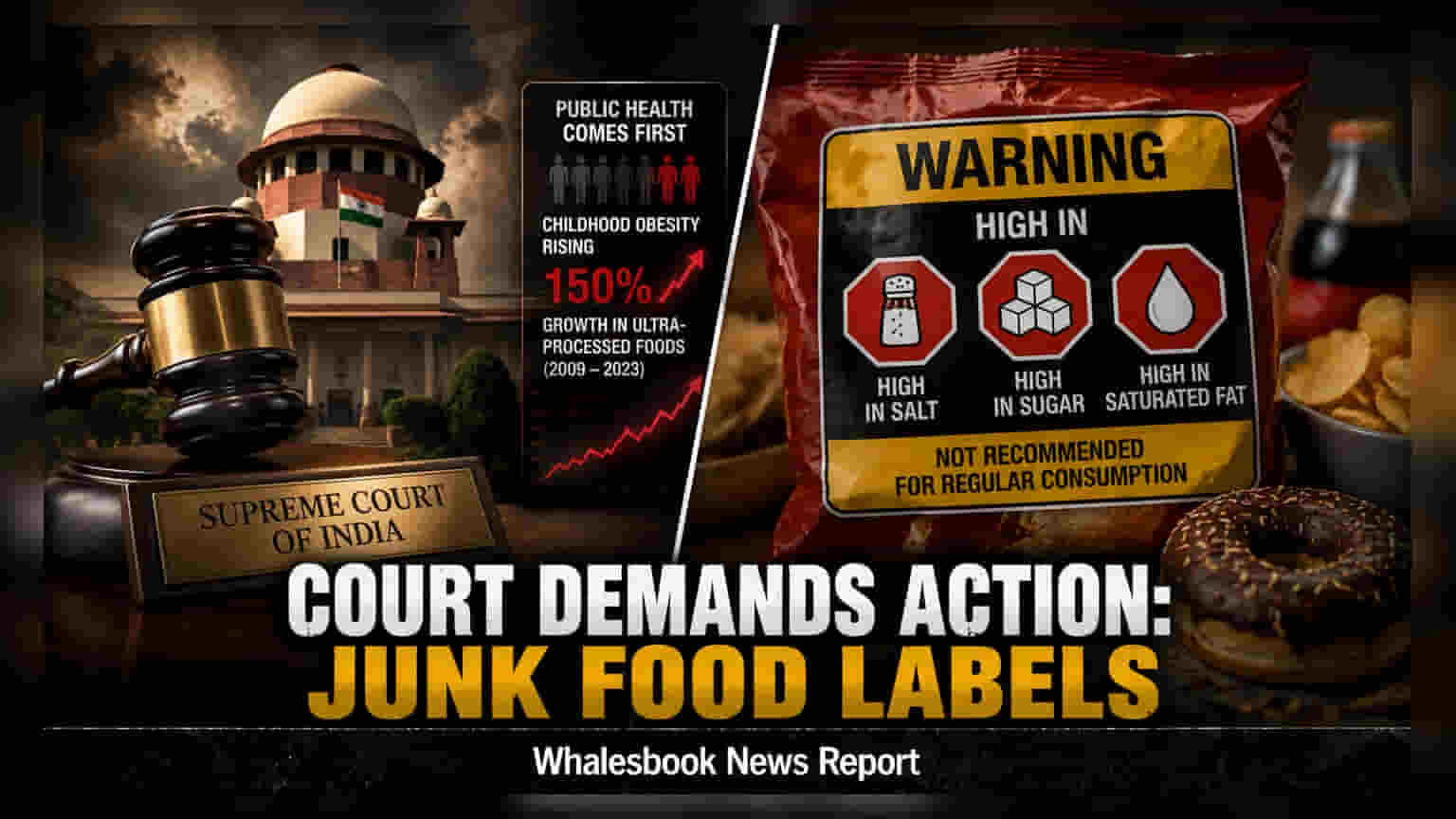
The Supreme Court has ordered the food regulator, FSSAI, to finalize strict front-of-pack warning labels for ultra-processed foods by August 27, 2026. This directive aims to address rising health concerns, placing new regulatory pressure on the FMCG sector. Investors may watch how snack and beverage companies adapt to potential shifts in consumer purchasing and operational compliance.
The Supreme Court has issued a directive to the Food Safety and Standards Authority of India (FSSAI), requiring the regulator to finalize its policy on mandatory front-of-pack warning labels for ultra-processed foods by August 27, 2026. This court order marks a significant turn in a decade-long debate, as the judiciary has moved to prioritize public health outcomes over industry-led arguments regarding implementation and complexity.
Moving Beyond Nutritional Guidelines
For years, the discussion around food labeling in India has centered on whether to provide detailed numerical dietary guidance or clear, visual warning symbols. The Supreme Court has rejected the FSSAI's earlier proposal for numerical labels, citing that such formats can be confusing for the average consumer. Instead, the court has pushed for clear warning signs on products high in salt, sugar, and saturated fat. This decision is backed by health data highlighting a surge in non-communicable diseases and a 150% growth in the ultra-processed food market between 2009 and 2023. The order also notes a sharp increase in childhood obesity rates, which the court views as an urgent public health priority.
Potential Impact on FMCG Operations
The implementation of front-of-pack warning labels represents a structural change for the Fast-Moving Consumer Goods (FMCG) sector, particularly for companies with large portfolios of packaged snacks, beverages, and confectionery. While the primary goal is public health, the shift carries operational and strategic implications for manufacturers.
One of the main areas for investors to consider is the impact on brand perception. Many products that rely on marketing claims such as "natural," "low-fat," or "no added sugar" may require new positioning if they trigger mandatory warning labels. International case studies, such as those from Chile, suggest that clear warning symbols can alter consumer purchasing behavior, leading to reduced demand for products flagged as high in unhealthy ingredients. Additionally, companies will face immediate operational costs related to packaging redesign and supply chain adjustments to meet the regulatory deadline.
What Investors Should Monitor
Following the August 27 deadline, the next critical update will be the formal notification from the FSSAI detailing the implementation timeline and the specific design of the warning labels. Investors may track how major FMCG players communicate these changes and whether they adjust their product formulations to avoid the warning markers. Furthermore, the Supreme Court has scheduled a follow-up hearing for September 10, 2026, which will likely provide more clarity on how the government intends to balance these new regulations with the interests of small enterprises and traditional food manufacturers. The primary focus for the market will remain on the long-term impact on sales volumes and the ability of companies to maintain profit margins amidst the costs of complying with stricter regulatory standards.