

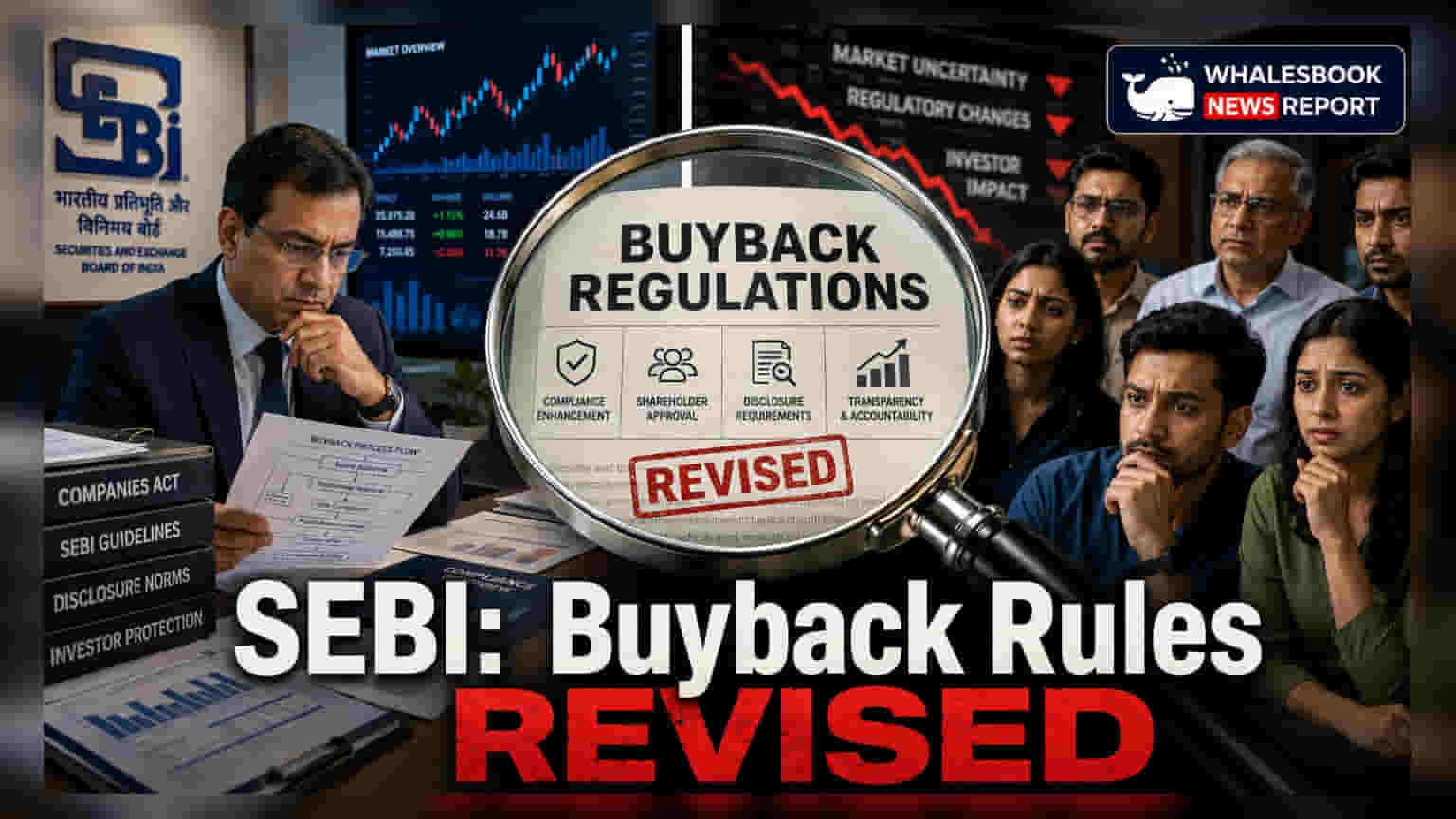
Starting August 1, SEBI will allow companies to conduct share buybacks without mandatory merchant bankers. The move aims to cut compliance costs by shifting oversight to internal auditors and exchanges. However, new rules place stricter limits on open market buybacks and promoter share freezes to protect public investors.
The Securities and Exchange Board of India (SEBI) has introduced significant changes to the framework governing share buybacks for listed companies in India. Starting August 1, 2026, the mandatory requirement for companies to appoint merchant bankers for buyback processes will be removed. This change is designed to simplify the process and lower administrative expenses for firms looking to return capital to their shareholders.
Shift in Oversight Responsibilities
With the removal of the merchant banker mandate, the responsibility for managing buybacks will be divided among other internal and external stakeholders. Companies will now handle direct filings and ensure sufficient funds are available for the buyback. Statutory and secretarial auditors are tasked with performing due diligence, while compliance officers and stock exchanges will take on expanded supervisory roles to maintain transparency and regulatory adherence.
New Limits on Buyback Methods
To prevent potential market manipulation and ensure stability, SEBI has introduced a clear cap on open market buybacks. Effective from August 1, companies are restricted from conducting open market buybacks that exceed 15% of their total paid-up capital and free reserves. If a company intends to execute a larger buyback, it must opt for the tender offer route, which provides more equal participation opportunities for all shareholders.
Safeguards for Public Shareholders
While the regulations have been simplified, SEBI has simultaneously strengthened protections for minority shareholders. Under the new rules, shares held by company promoters and their associates will be frozen from the date the buyback is approved until the process officially closes. The only exception is if promoters choose to participate by tendering their shares in a tender offer buyback. Furthermore, companies are prohibited from executing any buyback if it would result in the company falling below the mandatory minimum public shareholding requirements.
Additionally, the regulator has updated the timeline for open market operations. Companies are now required to send electronic notices to shareholders within one working day of a public announcement. The buyback process must then begin within four working days and be completed within a period of 66 working days. These changes align the buyback process more closely with the Companies Act, 2013, providing a clearer path for companies to follow during capital restructuring exercises.