

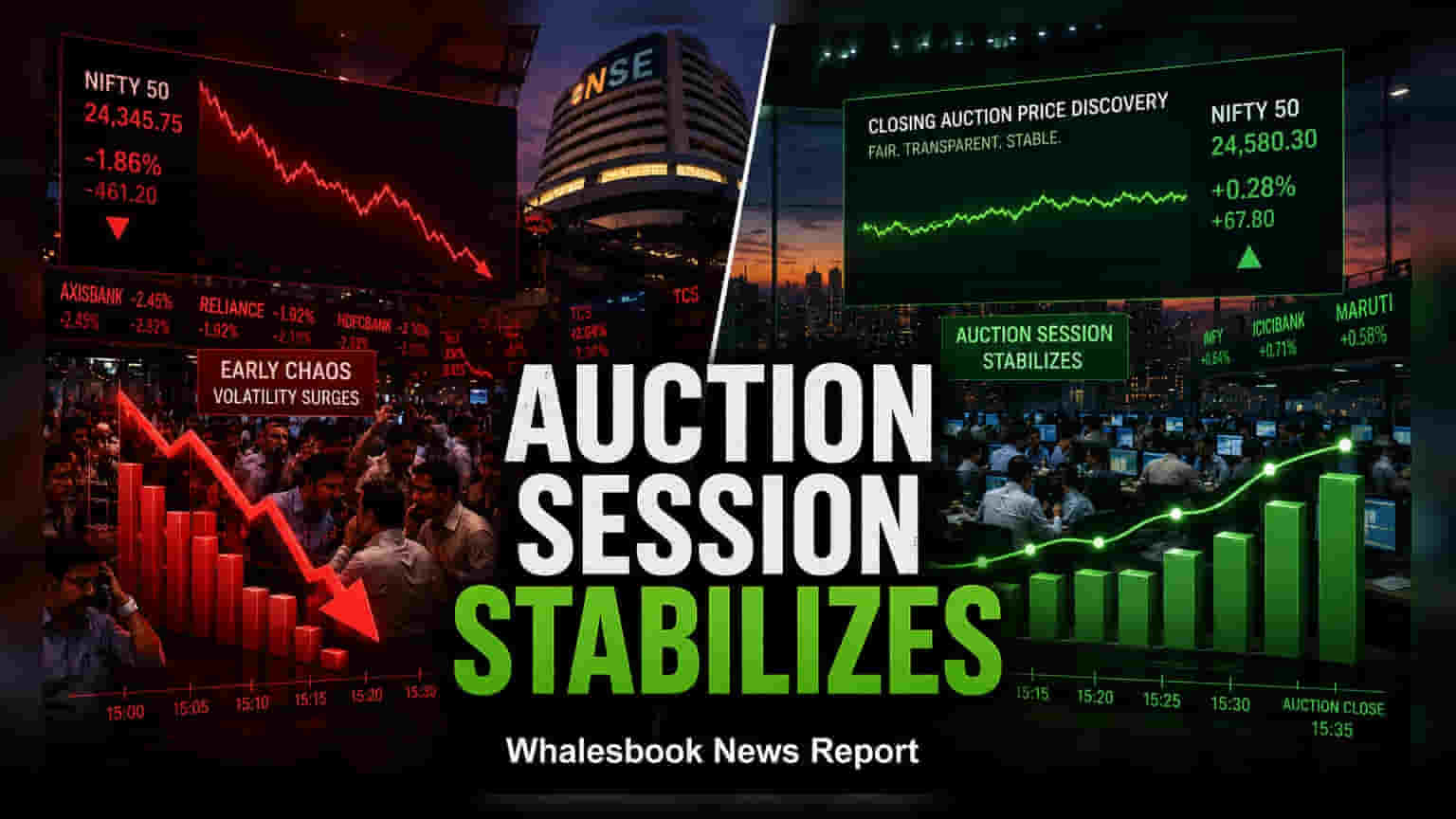
India's stock exchanges are seeing smoother operations in the new Closing Auction Session (CAS) after a turbulent launch in August 2026. The regulator has taken firm steps to curb manipulation, helping the new price discovery system find its footing for investors.
The new Closing Auction Session (CAS) for stocks, introduced on Indian exchanges on August 3, 2026, has begun to show signs of stability. Following an initial period of market confusion and unusual volatility that caught many traders by surprise, the system is now operating more smoothly. This transition marks a significant shift in how the final prices of stocks are determined at the end of the trading day.
Moving Away From VWAP
The CAS was introduced to replace the long-standing Volume-Weighted Average Price (VWAP) method. Previously, the closing price was calculated using an average of trades occurring between 3:00 pm and 3:30 pm. While this was standard, it had flaws. It often left the market open to end-of-day price manipulation, where large, last-minute orders could artificially sway the closing price. For institutional investors like index funds, who need to match index performance, this volatility often created tracking errors. The new auction mechanism aims to solve this by pooling buy and sell orders within a dedicated window, from 3:15 pm to 3:35 pm, to find a single, more accurate price.
Regulatory Intervention
The early days of the launch were marked by significant price swings, particularly on derivatives expiry days, which raised concerns among market participants. Recognizing the need to protect market integrity, the Securities and Exchange Board of India (SEBI) took swift action. On August 19, 2026, the regulator issued an interim order against Copthall Mauritius Investment Ltd and Mansi Share and Stock Broking. SEBI alleged that these entities were involved in manipulating the Sensex closing price during the weekly options expiry on August 13, 2026.
The regulator impounded approximately ₹3.67 crore in alleged wrongful gains from these entities and barred them from the securities market. This firm enforcement helped dampen the initial speculative behavior that plagued the first few sessions of the new system.
What This Means for Investors
For the average investor, the stabilization of the CAS is a positive development. It suggests that the market is adapting to the new rules and that the regulator is keeping a close watch on potential abuse. While trading volume has not suffered, the nature of trading has changed slightly as participants move their activity earlier in the day to avoid the auction-related uncertainty that was prevalent in early August.
The most important monitorable for investors moving forward will be how the system handles high-volatility days, such as monthly and weekly derivatives expiries. While the system is becoming more predictable, investors should be aware that the closing price discovery process is now more concentrated, which can lead to rapid price adjustments in the final minutes of the session.