

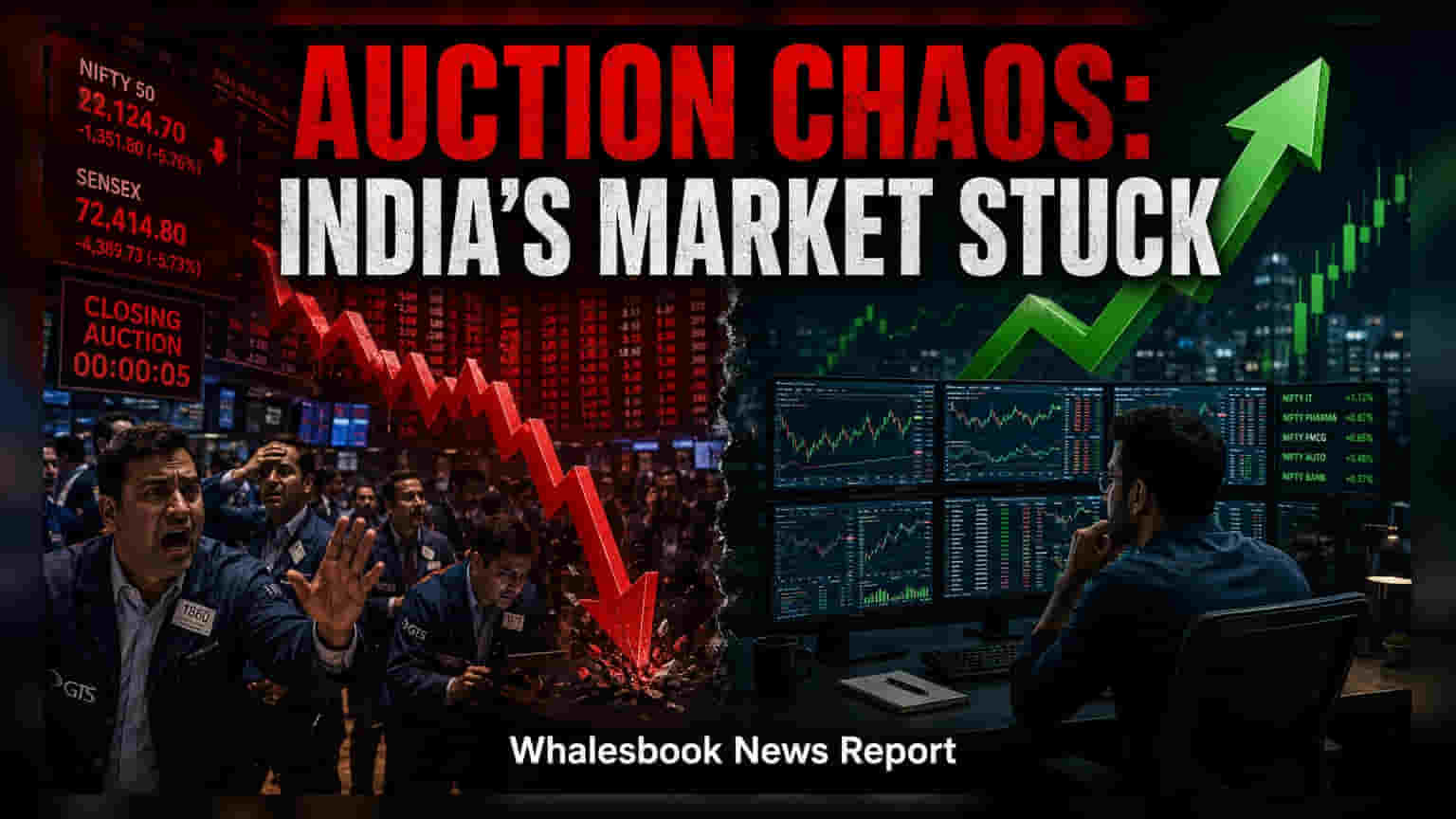
India's new Closing Auction Session for F&O stocks, launched on August 3, 2026, is causing unexpected index volatility and liquidity gaps. While the regulator has confirmed it will not withdraw the system, market participants are calling for better data transparency and advanced order types to smooth out the final minutes of trading.
The Indian stock market has entered a new era for closing trades, but the transition is proving to be a bumpy ride. On August 3, 2026, exchanges implemented a new Closing Auction Session (CAS) for F&O-enabled stocks, replacing the long-standing 30-minute Volume Weighted Average Price (VWAP) calculation. While the goal was to improve price discovery and transparency, the early days of the system have been marked by significant index fluctuations and concerns over market liquidity.
Why the Closing Price Matters
For years, the closing price was determined by averaging trade prices over the final 30 minutes of the session. The new auction system operates in a tighter window: from 3:15 PM to 3:30 PM, with the official closing price determined and finalized by 3:35 PM. This change affects not just traders, but also index funds, mutual funds, and F&O contract settlements, as the final price directly influences the valuation of these holdings. When the auction mechanism creates sudden price swings—sometimes moving indices like the Nifty by 150 to 200 points—it impacts the performance of these portfolios and complicates risk management for institutional investors.
Technical and Liquidity Challenges
Market experts have pointed out that the current auction infrastructure lacks the sophistication required for a seamless close. Currently, the system supports standard market and limit orders, which can lead to one-sided pressure. If there are far more buyers than sellers, or vice versa, the price can move aggressively without sufficient counter-pressure to stabilize it.
To combat this, there are suggestions to introduce more advanced order types, such as the 'Imbalance Only' order used in global markets. This type of order would act as a buffer, stepping in only to absorb excess volume without driving the price further, thereby helping to reach a more stable equilibrium. Additionally, there is a clear need for faster, real-time data dissemination. Currently, traders often lack the necessary visibility into the 'paired quantity'—the amount of orders already matched—and the pending imbalance, which prevents them from making informed decisions in the final minutes.
Another hurdle is the shortage of liquidity. Even when an imbalance exists, there are often not enough sellers to meet the demand in the closing minutes. The lending market, which allows traders to borrow shares to sell, is currently too restricted. With only a small fraction of listed companies having readily lendable stock, many arbitrage and equity savings funds find it difficult to participate as sellers in the auction, leaving the session susceptible to price distortions.
The Regulator's Stance
The Securities and Exchange Board of India (SEBI) has been clear that the system is here to stay. Despite the initial chaos and feedback from market participants, the regulator has confirmed it will not roll back the new closing auction process. The focus is expected to remain on fine-tuning the system and improving its efficiency as participants grow more accustomed to the mechanics. For investors and traders, the key monitorable will be how the exchanges address the need for better data transparency and whether they introduce mechanisms to deepen liquidity, which are essential for the auction to function as intended.