

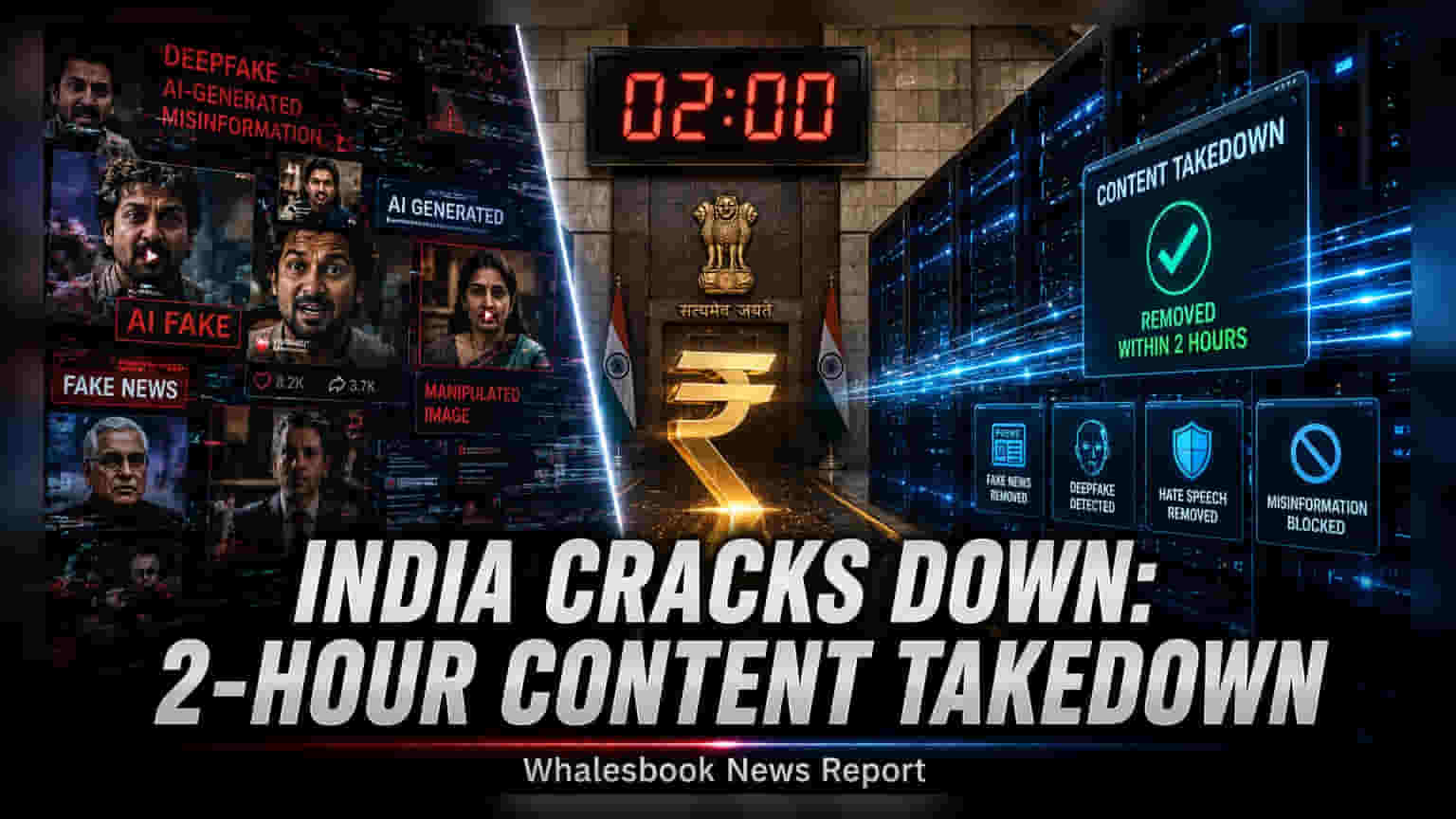
Significant Social Media Intermediaries in India must now remove sensitive content within two hours. This shift significantly reduces the time platforms have to act, putting their 'safe harbor' legal protection at risk. Investors should note the potential for higher operational costs and increased legal liability for tech platforms.
The Indian government has tightened the regulatory framework for digital platforms, enforcing a strict two-hour window for the removal of sensitive online content. This mandate applies specifically to Significant Social Media Intermediaries (SSMIs)—companies with over five million users in India. This move is a major escalation from previous rules, which allowed for a 24-hour window, and forces these companies to drastically speed up their moderation processes.
The 'Safe Harbor' Risk
For investors, the most critical aspect of these rules is the potential loss of 'safe harbor' protection under Section 79 of the IT Act. In simple terms, this protection acts as a legal shield. It prevents social media platforms from being held responsible for the content their users post, as long as the platform acts quickly to remove unlawful content when notified. By shortening the takedown timeline to two hours for sensitive matters—such as impersonation or non-consensual imagery—the government has narrowed the margin for error. If a platform fails to meet this deadline, it risks losing this legal shield, exposing the company to direct legal liability and lawsuits for third-party content.
Operational and Compliance Costs
Meeting these deadlines is not just a policy change; it is an operational challenge. To comply, platforms must maintain 24/7 content moderation teams and invest heavily in advanced automated tools and artificial intelligence to proactively flag harmful material. These requirements act as an additional cost for tech companies. While large global platforms often have existing moderation infrastructures, the pressure to maintain 100% accuracy within a two-hour window creates a high operational burden. Any failure to scale these tools effectively could lead to recurring compliance issues.
Investor Monitorables
Investors in companies operating in this sector should watch for two main indicators. First, look for management commentary regarding compliance costs. If companies have to significantly increase their spending on moderation teams or technology, it could impact profit margins over time. Second, monitor any legal or regulatory friction. If a major platform struggles to meet these timelines, it could lead to legal disputes or regulatory warnings, which are often viewed negatively by the market due to the risk of fines or potential service disruption.
Ultimately, this regulatory environment requires platforms to balance user engagement with strict adherence to local laws. The ability of these firms to implement robust, automated moderation systems that satisfy government requirements without over-censoring legitimate content will determine their long-term regulatory stability in the Indian market.