

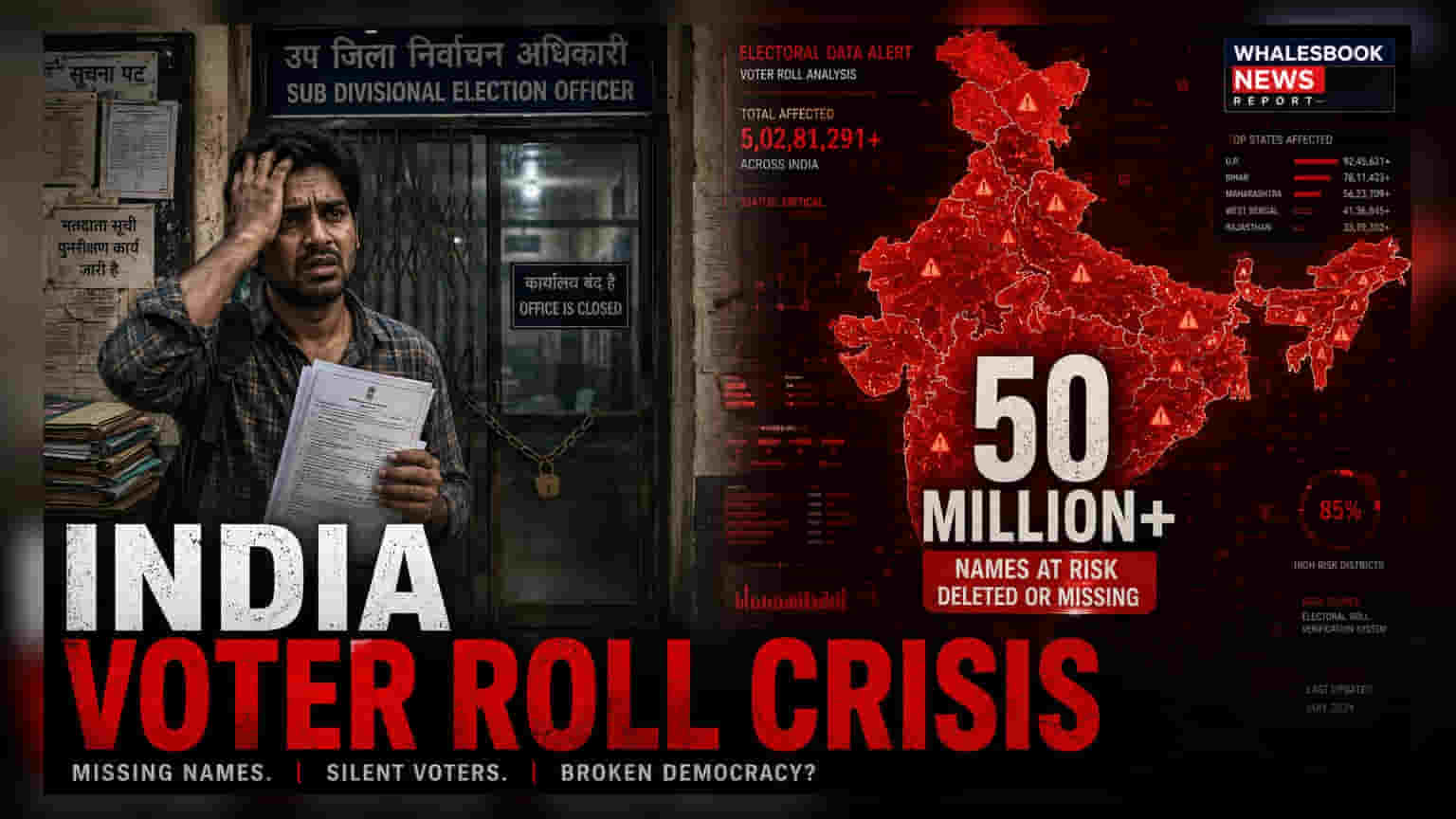
The Election Commission’s year-long Special Intensive Revision of electoral rolls has concluded, resulting in the removal of over five crore voters. The process has sparked debates over potential disenfranchisement and the denial of essential welfare benefits. As legal appeals rise and the Supreme Court clarifies the scope of these revisions, the efficiency and transparency of the administrative process remain key areas of focus.
What Happened
The Election Commission of India (ECI) has concluded the first year of its Special Intensive Revision (SIR) of electoral rolls. This extensive exercise, which covered thirteen states and various Union territories, has resulted in the deletion of more than five crore voters. The primary objective stated for the exercise was the removal of illegal immigrants from voter lists. However, the scale and the outcome of these deletions have drawn significant attention, raising questions about administrative efficiency and the potential impact on citizens' rights.
The Impact on Citizen Services
The consequences of these deletions extend beyond the electoral process, affecting the daily lives of those removed from the rolls. Reports indicate that citizens excluded from the revised lists are facing challenges in accessing essential government welfare benefits. In some regions, individuals have reported difficulties in obtaining civic services, such as ration supplies and passport renewals. This connection between electoral status and access to broader social security mechanisms highlights the importance of accuracy in administrative record-keeping for the average citizen.
The Legal and Regulatory Stand
The validity of the SIR process was subject to judicial scrutiny. The Supreme Court of India has provided a crucial clarification, emphasizing that the Special Intensive Revision is strictly a process for updating voter lists. The Court clarified that this revision does not determine citizenship status or the associated rights of individuals. This ruling serves as a vital safeguard, distinguishing electoral management from the broader legal process of determining citizenship, which remains a separate, defined legal procedure.
Operational and Methodology Concerns
The execution of the SIR has faced criticism regarding the consistency of the methodology applied across different states. Observers have noted that the ECI employed varying procedures in different border states; for example, while West Bengal underwent the SIR process, Assam was subjected to a different 'summary revision' protocol. This lack of uniformity has led to skepticism among stakeholders regarding the transparency and integrity of the revision process. Furthermore, political groups have voiced allegations that the process has been conducted in a manner that creates an uneven field, though the ECI maintains its operational autonomy.
What to Track Next
The primary monitorable in the coming months is the resolution of the appeals backlog. In West Bengal alone, judicial tribunals are currently processing over 27 lakh appeals from voters seeking reinstatement. The pace and fairness of these tribunals in handling such a massive volume of claims will be a significant indicator of the efficiency of the grievance redressal mechanism. Additionally, the ECI’s ongoing updates regarding procedures in other states and the management of welfare service access for the disenfranchised will be essential for assessing the final outcome of this exercise.