

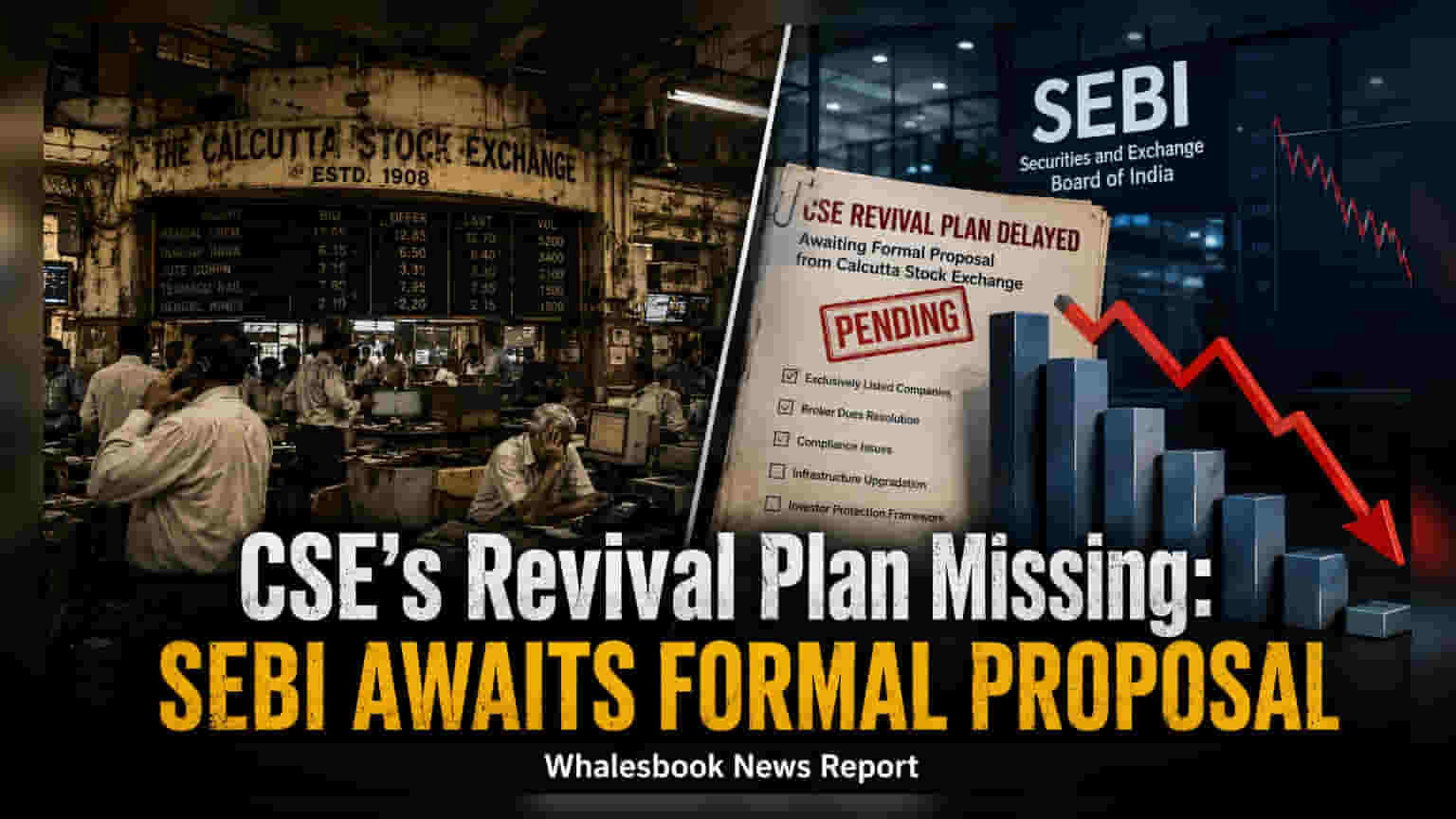
The Calcutta Stock Exchange (CSE) has requested a hold on its voluntary exit application, but has yet to submit a formal revival plan to SEBI. While the West Bengal government has expressed support for restarting operations, the regulator is currently continuing its evaluation of the exit process, keeping the future of the exchange uncertain.
The Calcutta Stock Exchange remains in a regulatory holding pattern as the Securities and Exchange Board of India (SEBI) has yet to receive a formal revival proposal from the exchange. Although the CSE requested a pause on its voluntary exit application on July 1, 2026, the regulator continues to process the exit filing that was originally submitted on February 18, 2025. The absence of a concrete plan means that the exchange's future direction remains officially undefined.
The regulatory process for an exchange exit is complex and involves several critical steps to protect investors. SEBI has appointed an independent valuation agency to assess the assets and liabilities of the CSE as part of the ongoing exit proceedings. While the exchange has asked to pause these steps, the regulator requires more than just an intent to revive the institution. The CSE faces the significant task of addressing long-standing regulatory issues before any return to full operations can be considered. These include the status of exclusively listed companies and the resolution of outstanding dues owed to brokers.
Optimism regarding the revival gained traction following public support from the West Bengal government, which included the exchange in its 2026-27 state budget plans. This interest initially generated speculative activity in the unlisted shares of the exchange. However, moving from political endorsement to operational reality requires meeting the strict compliance standards of the Securities Contracts (Regulation) Act, 1956. An exchange that has been inactive for over a decade must clear multiple legal and infrastructure hurdles to resume trading activities while competing with established national exchanges.
For those monitoring the situation, the technical gap between the exchange's request to pause its exit and the actual submission of a revival plan is the primary point of attention. SEBI has been actively requesting specific information from the CSE to evaluate whether a revival is even viable under current market regulations. Until a formal proposal is submitted, reviewed, and approved, the exchange’s exit application remains the active document before the regulator.
The key monitorable for stakeholders will be whether the exchange can provide a detailed compliance and financial roadmap that satisfies SEBI’s stringent requirements. Without a formal proposal that addresses how the CSE plans to handle legacy issues like broker settlements and modern technology infrastructure, the exit process will likely remain the baseline path for the regulator.