

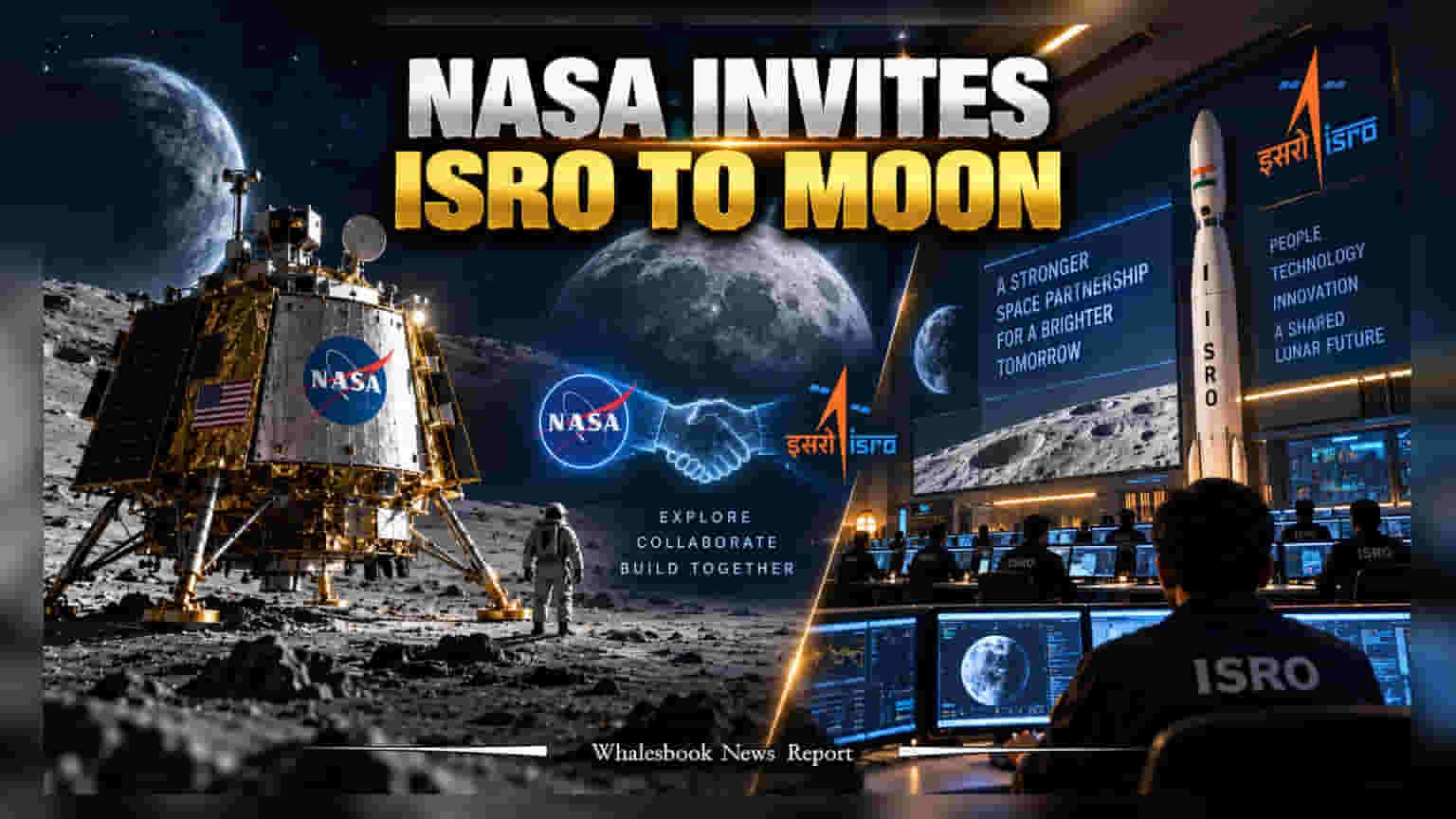
NASA has formally invited the Indian Space Research Organisation (ISRO) to collaborate on its lunar base initiative, marking a significant step in US-India space cooperation. The move aims to foster technology co-creation and integrate Indian private space startups into the US ecosystem. Stakeholders are now tracking how this partnership will impact cross-border regulatory standards and startup market access.
On September 7, 2026, at the Bengaluru Space Expo, US Ambassador to India Sergio Gor announced that NASA has officially invited the Indian Space Research Organisation (ISRO) to participate in its Moon base program. This invitation signals a major shift in the US-India space partnership, moving beyond previous agreements toward active co-creation and shared infrastructure development on the lunar surface. The initiative is a key component of the broader Artemis Accords, which serve as the foundation for international norms in lunar exploration.
Building on Proven Collaboration
The decision to invite ISRO is largely based on the success of past joint ventures, most notably the NISAR (NASA-ISRO Synthetic Aperture Radar) mission. This project has served as a critical proof of concept for the two agencies, demonstrating that they can successfully manage complex hardware coordination and data sharing. By applying the lessons learned from NISAR, both nations aim to establish a more unified approach to space operations, which is considered essential for future long-term lunar habitation and eventual crewed missions to Mars.
Integration of Private Space Startups
A central focus of this collaboration is the integration of India’s private space sector into the US ecosystem. Ambassador Gor indicated that the US is positioning itself as a gateway for Indian startups to expand their reach. Specific companies identified for potential US market integration include Pixxel, GalaxEye, Digantara, Bellatrix Aerospace, Skyroot Aerospace, and Agnikul Cosmos. The objective is to create a unified standard for space traffic and governance, allowing these private firms to operate with greater interoperability when working on US-led projects.
Operational and Regulatory Risks
While the collaboration offers significant growth potential for the domestic space industry, there are notable challenges that investors and sector observers should monitor. Building lunar infrastructure involves extreme technical and execution risks, as any delay or failure in such a high-stakes environment can lead to significant cost overruns. For Indian startups, entry into the US market is not guaranteed; they must navigate a complex landscape of stringent US regulatory requirements, export controls, and intense competition from established global players. Additionally, the success of this partnership depends on long-term policy consistency between Washington and New Delhi, making the project sensitive to future shifts in geopolitical relations.
The next steps for this collaboration will likely be managed under the framework of the India-US Civil Space Joint Working Group. Stakeholders will be watching for further announcements regarding specific project timelines, technology transfer agreements, and the formalization of these private sector integration pathways.