 Whalesbook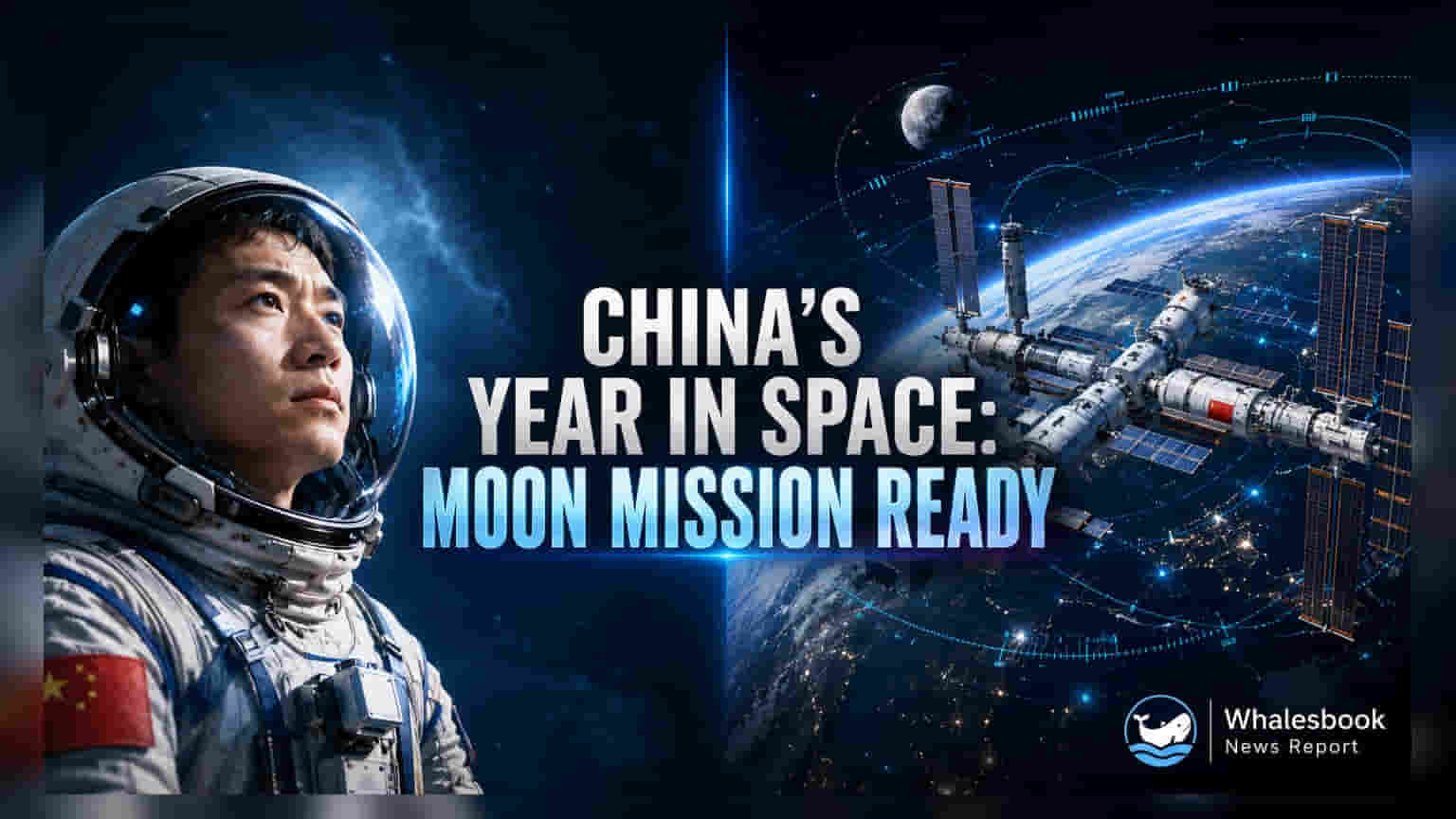


The Economic Cost of Orbital Dominance
The launch of the Shenzhou-23 mission acts as the operational bridge between routine low-Earth orbit activities and the far more expensive requirements of lunar exploration. By subjecting a crew member to a year of continuous exposure, Beijing is effectively attempting to compress years of biological hardening into a single mission cycle. This acceleration is not merely scientific; it is a calculated response to the escalating capital requirements of the 2030 lunar timeline. While the program’s budget estimates fall between $12 billion and $18 billion annually, these figures exclude the massive, hidden infrastructure costs associated with the Long March-10 rocket and the proprietary Mengzhou hardware.
The Technological Beta Test
Beyond human physiology, the primary objective is the validation of autonomous rapid rendezvous systems. This capability is the linchpin for the Lanyue lander’s future viability. Unlike historical docking maneuvers that relied on ground-based control, future lunar architecture mandates autonomous systems capable of operating under the extreme latency and gravitational variance of the Moon. This transition toward autonomy reduces reliance on Earth-based tracking stations, a strategic necessity given the vast, unstable communication distances inherent in deep-space operations.
Competitive Benchmarking and Fiscal Pressure
Comparing China’s trajectory to regional peers reveals a stark divergence in capital efficiency. India’s space agency, for instance, maintains a leaner operation by prioritizing incremental, high-success-rate missions. In contrast, China’s current model favors a state-heavy, concurrent development strategy where failure is mitigated through sheer budgetary volume. However, as the focus shifts toward a permanent lunar base by 2035—with Russia serving as a primary, if financially uncertain, partner—the risk of cost overruns is amplified. The integration of nuclear power modules for lunar surface operations adds a layer of technical complexity and expense that current budget models may underestimate, especially if domestic economic growth patterns fluctuate.
Structural Risks and The Bear Case
From a risk-averse perspective, the reliance on Tiangong as the sole testing ground for such high-stakes goals presents a single point of failure. Any significant mechanical fatigue detected in the station’s core modules during this year-long exposure could derail the 2030 lunar objective entirely. Furthermore, the collaboration with external partners on energy infrastructure introduces potential geopolitical vulnerability, particularly regarding the long-term maintenance of deep-space assets. If the pace of technological development outstrips the state's capacity to absorb these ballooning expenditures, the program may face significant consolidation or prioritization hurdles before the decade concludes.