

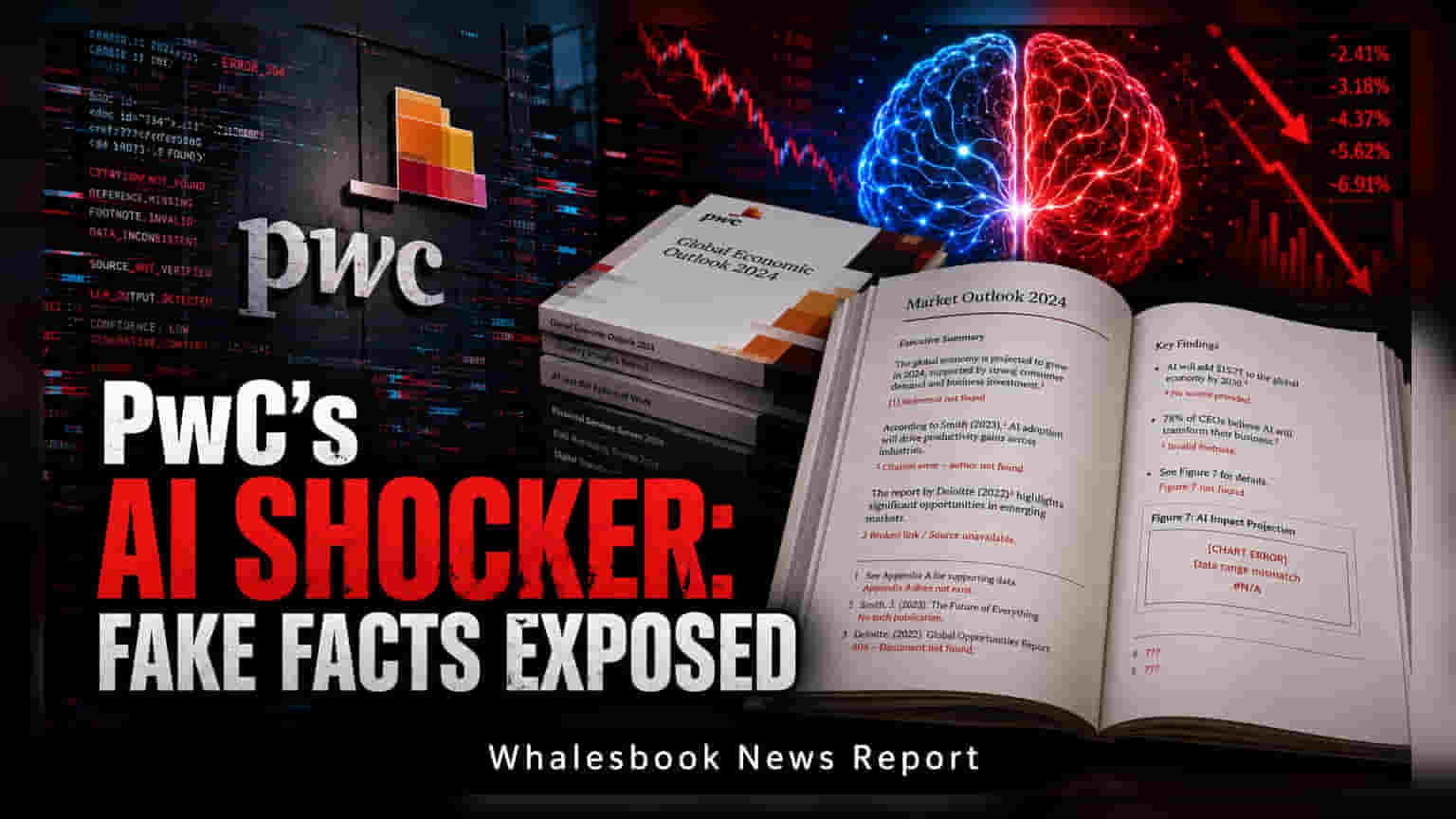
PwC Middle East is auditing its research publications after a study identified fake footnotes and unverified claims. The accounting firm confirmed it is correcting these errors to maintain professional standards. The incident highlights the risks of using AI in corporate content generation.
PwC Middle East, part of the global Big Four accounting network, has initiated a review of its published research following findings of inaccuracies in several reports. A recent analysis by AI detection firm GPTZero identified issues in four publications released by the firm between 2024 and 2026. The identified reports covered diverse sectors including electric vehicles, artificial intelligence, and government services.
Findings of AI-Linked Errors
The investigation by GPTZero pointed to several patterns often associated with poorly vetted AI-generated content. These included fake footnotes, broken web links, and citations that did not support the text they were meant to verify. Researchers also noted instances of repetitive content where the same statistic was cited multiple times within a short span using different, unverifiable sources. In one instance, a reference link even contained technical metadata often associated with interactions with AI tools, suggesting that automated systems may have been used to draft or compile the research without proper human oversight.
Impact on Institutional Research
For professional services firms, the integrity of published research is vital as it often shapes industry sentiment, strategy for clients, and public policy discussions. The reliance on unvetted sources, such as amateur blog posts or non-existent academic papers, raises questions about the internal quality control processes for external-facing content. In the professional services sector, these reports are often used to establish brand authority and thought leadership. When such documents contain easily disprovable facts or fabricated references, it can create reputational risks and erode the trust that clients and regulators place in the firm's data-driven insights.
Corporate Response and Next Steps
PwC Middle East has acknowledged the errors and is currently updating the affected documents to ensure accuracy. The firm maintains that it has quality control processes in place for content development and expects its teams to follow these strictly. Moving forward, the key monitorable for stakeholders will be whether the firm introduces more stringent human verification protocols for AI-assisted research. Investors and clients may watch for updates on how major consultancies formalize their governance frameworks to prevent similar lapses in automated research production.