

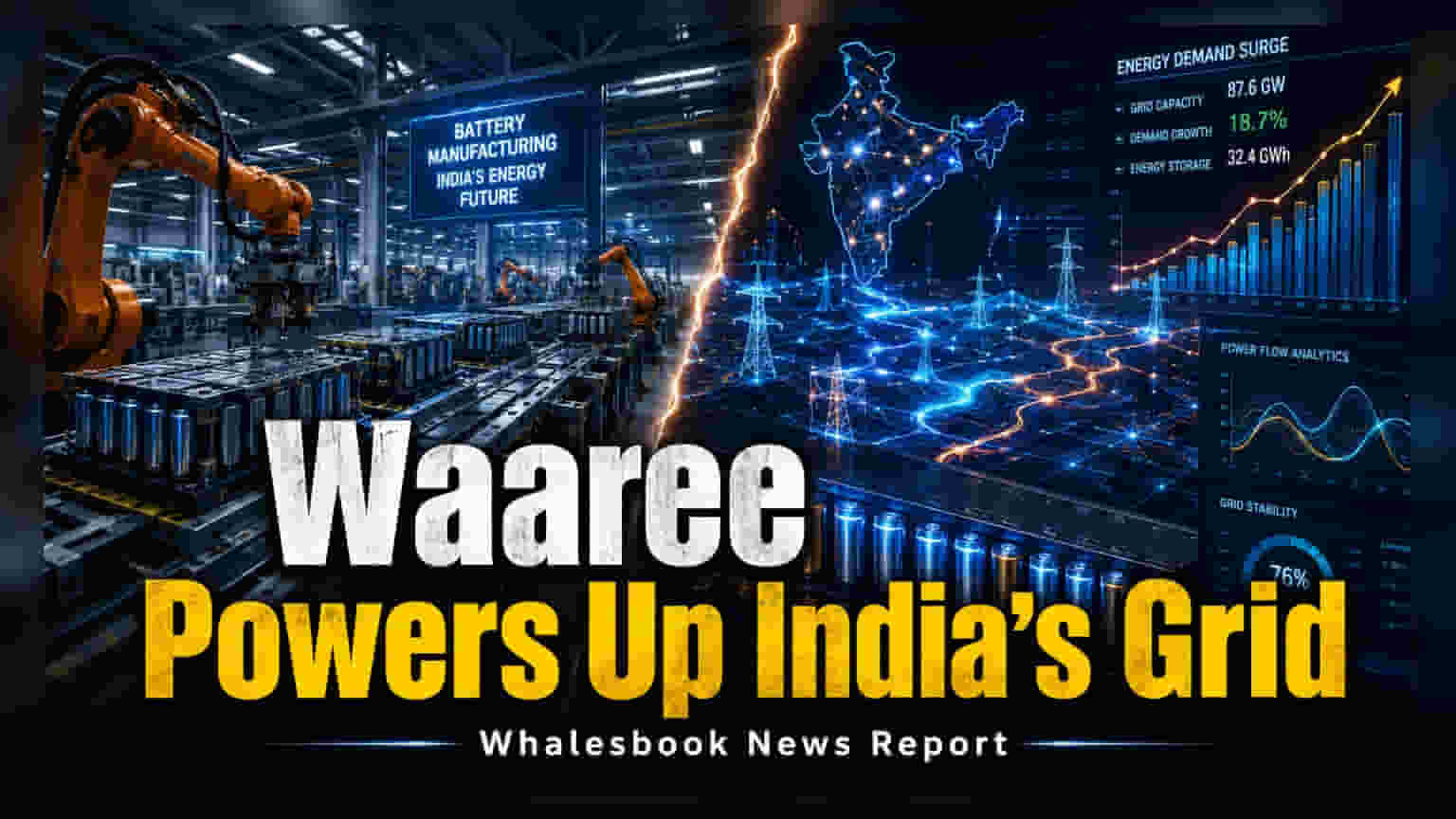
Waaree Energies has started operations at its 5 GWh battery energy storage facility in Gujarat through its subsidiary. This move increases its manufacturing capacity beyond the initial 3.5 GWh plan to support India's growing demand for energy storage. The company now plans to scale this capacity further to 20 GWh in the future to boost domestic supply.
Waaree Energies has officially commenced operations at its battery energy storage system (BESS) manufacturing facility in Gujarat. The plant, operated by the company's subsidiary, Waaree Energy Storage Solutions, has reached a production capacity of 5 GWh. This output is significantly higher than the initial 3.5 GWh target that the company had originally set for this project.
The increase in capacity was achieved through efficiency improvements, specifically by removing production bottlenecks and utilizing battery cells with higher energy density. By producing these storage units domestically, the company aims to reduce reliance on imports and contribute to India’s clean energy infrastructure, which requires stable storage to manage power supply from renewable sources like solar and wind.
Strategic Scaling and Future Targets
The company has outlined an ambitious roadmap, with management stating an intent to eventually scale total BESS container manufacturing capacity to 20 GWh. This strategy is aimed at capturing a larger share of the emerging market for grid-level storage solutions. The facility is designed to serve a diverse customer base, including utility companies, large industrial units, and infrastructure developers who require reliable power management systems.
While the expansion highlights the company's growth in the renewable energy sector, investors may monitor how the company funds this substantial increase in manufacturing capacity. Large-scale projects in the battery and renewable sector are capital-intensive, and the ability to maintain profit margins while scaling production will be a key area for shareholders to watch. Furthermore, the competitiveness of these domestically produced units against global imports, which often benefit from established supply chains and economies of scale, will influence long-term profitability.
The energy storage sector in India is currently in a high-growth phase, supported by government initiatives aimed at grid modernization and decarbonization. However, the success of this facility will depend on consistent demand from the power sector and the company's ability to maintain high utilization rates as it moves toward its 20 GWh target. Investors should track future updates regarding order inflows for these storage solutions and any financial disclosures related to the capital spending required for this expansion.