

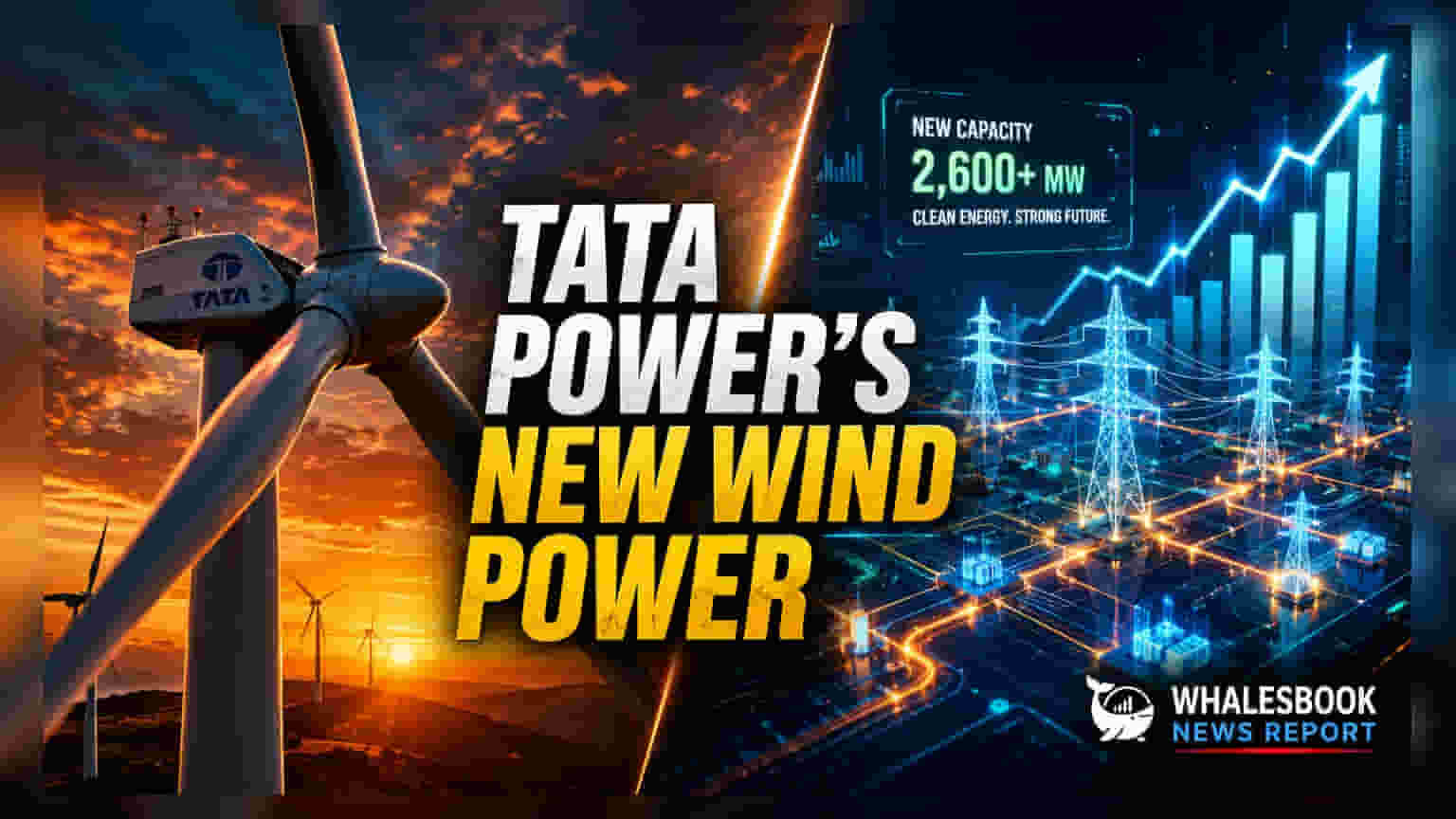
Tata Power Renewable Energy has launched a 100.8 MW wind power project in Maharashtra's Dharashiv district. This addition helps the company's Mumbai distribution arm meet its renewable energy requirements while expanding its total operational capacity to 6.7 GW.
What Happened
Tata Power Renewable Energy Limited (TPREL), a subsidiary of Tata Power, has officially commissioned its Jewali Wind Project in the Dharashiv district of Maharashtra. The new facility adds 100.8 MW of capacity to the company’s portfolio. According to the company's exchange filing, the project features 28 wind turbine generators and is expected to produce roughly 299 million units of electricity every year. The power generated here is dedicated to supplying Tata Power’s distribution network in Mumbai, which assists the utility in fulfilling its mandatory renewable purchase obligations (RPO).
Expanding The Clean Energy Portfolio
This project is part of a larger plan to increase the company's footprint in wind energy. Following this launch, the wind power portfolio managed by TPREL has moved past the 3.9 GW mark, with 1.3 GW now fully operational. Overall, TPREL has reached a total renewable utility portfolio of 11.6 GW. Of this, 6.7 GW is already operational, consisting of 5.4 GW of solar and 1.3 GW of wind energy. The remaining 4.9 GW is currently under development across several Indian states, including Gujarat, Rajasthan, and Karnataka.
Business And Financial Context
The company is currently in a phase of significant infrastructure development, with 4.9 GW of capacity still under construction. This includes a mix of solar, wind, and 0.2 GW of battery energy storage systems. For investors, the speed at which these projects move from construction to operation is a key monitorable. While such additions are necessary for meeting long-term growth and environmental goals, they also require steady capital spending. Tracking how the company balances this expansion with its existing debt levels and operational cash flow remains important for assessing financial health.
Operational Risks And Execution
The commissioning of wind projects involves several variables, including the timing of land acquisition, grid connectivity, and potential fluctuations in wind speeds, which can affect actual electricity generation. Delays in completing the projects currently under implementation—expected to come online over the next 6 to 24 months—could impact the timeline for revenue generation. Furthermore, the company’s ability to maintain healthy margins will depend on its success in managing the costs associated with these large-scale capital investments.
What Investors Should Track
Investors will likely watch the commissioning progress of the remaining 4.9 GW of under-development projects. Other key monitorables include the debt-to-equity ratio as the company continues its expansion, the actual generation performance of the new wind turbines compared to initial projections, and any updates on regulatory changes regarding renewable purchase obligations that could impact the demand for power from these assets.