

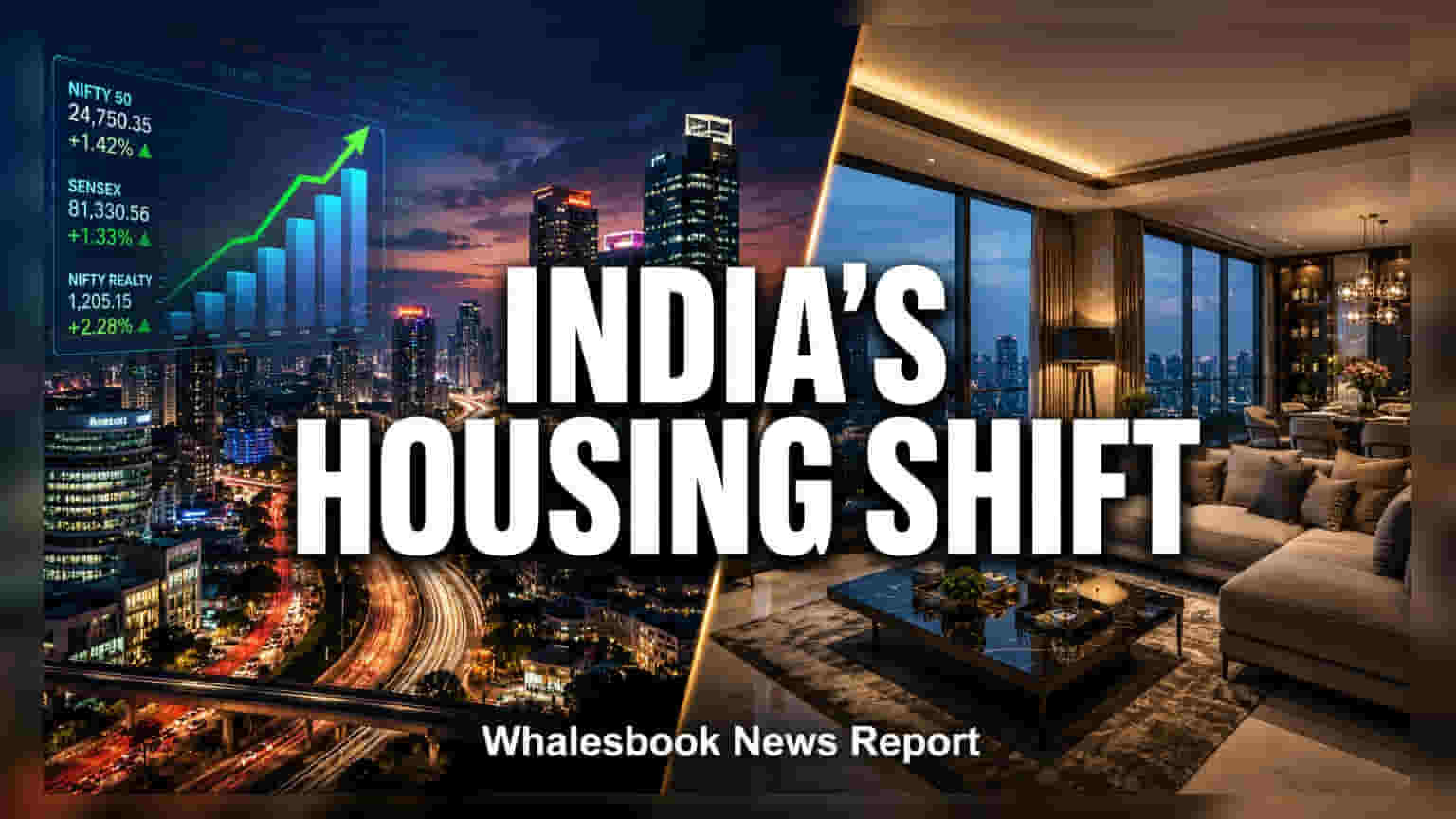
Bengaluru, Mumbai, Pune, and Delhi-NCR dominated India's residential market in Q1 FY26, accounting for 77% of total sales. Premium housing (homes over ₹1 crore) now represents 71% of the market, driven by shifting buyer preferences and rising incomes. While metros lead in value, Tier-II cities like Indore and Jaipur are showing faster growth in demand due to infrastructure expansion and affordability.
The Indian residential real estate market has seen a sharp concentration of activity in the first quarter of fiscal year 2026. Data shows that four major urban centers—Bengaluru, Mumbai, Pune, and Delhi-NCR—accounted for 77% of all homes sold across the top seven cities. This trend highlights a growing gap between large metropolitan hubs and the rest of the country, as buyer preference tilts heavily toward established economic centers.
The Shift Toward Premium Properties
A notable change in this quarter is the rapid increase in premium home sales. Properties priced above ₹1 crore now make up 71% of total residential transactions, compared to 59% in the same period last year. This trend suggests that buyers are increasingly prioritizing larger living spaces and high-quality amenities. Industry analysts note that this movement is supported by rising household incomes and a desire for assets that offer long-term value appreciation. However, the rise of premium housing is also influenced by supply-side factors. High land costs and expensive regulatory approvals in major metros have made it difficult for developers to launch affordable projects, effectively pushing new inventory toward the premium segment.
Economic Drivers and Infrastructure Impact
The dominance of these four cities is rooted in their strong economic base, particularly in sectors like information technology, financial services, and manufacturing. Infrastructure projects, including new expressways, airport expansions, and city-wide metro networks, have played a critical role in sustaining demand. These developments have not only increased property values but have also improved connectivity, making these urban centers more attractive to both end-users and investors.
Emerging Potential in Tier-II Markets
While the top four cities lead in total volume, Tier-II cities are emerging as important markets for the future. Locations such as Indore, Jaipur, Coimbatore, and Lucknow are recording significant demand, often outpacing the growth rates of larger metros. These cities benefit from a lower cost of entry, industrial expansion, and localized infrastructure improvements like IT corridors and new transport links. While major metros currently offer scale and brand-backed developer presence, Tier-II markets are attracting investors looking for higher rental yields and future growth potential as connectivity improves.
Investors monitoring the sector should track how developers manage the balance between luxury inventory and the shrinking supply of affordable homes. The key monitorables for the coming quarters will be inventory levels in premium segments, the pace of infrastructure project completions in emerging hubs, and whether rising interest rates or higher capital costs impact the ability of developers to maintain margins in the premium housing space.