 Whalesbook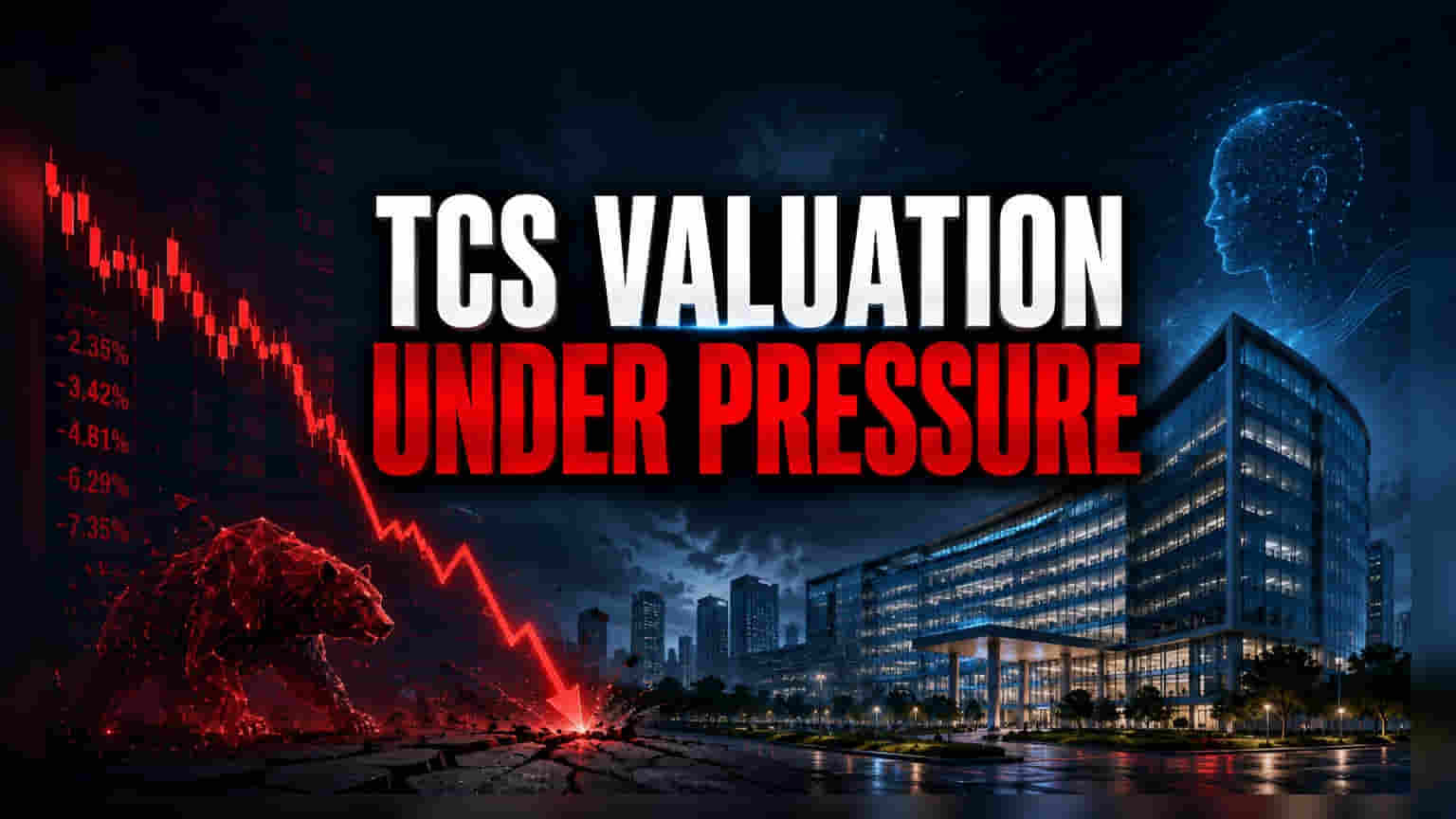


The Valuation Gap
While Tata Consultancy Services (TCS) solidifies its physical infrastructure, the company’s market valuation is currently navigating a period of intense turbulence. As of June 8, 2026, the stock is trading near its 52-week low, reflecting a broader disillusionment with the IT services sector. The market has erased approximately Rs 4 lakh crore in TCS's market capitalization since the start of 2026, a decline so severe it has outpaced the cumulative losses of the entire Tata conglomerate portfolio. Despite achieving a four-year high in operating margins of 25.3% during the final quarter of FY26 and maintaining a resilient dividend payout, investors are pricing in a structural shift in global technology spending. The current Price-to-Earnings (P/E) ratio of approximately 15.9 reflects a market skeptical of the traditional outsourcing growth narrative in an age of aggressive AI-led automation.
Chennai's Strategic Real Estate Play
The 10-year, Rs 1,420 crore commitment for 1.5 million square feet at the Chennai One IT Special Economic Zone serves as a definitive counter-narrative to the prevailing "work-from-anywhere" and AI-disruption themes. The agreement, which features a 12% rental escalation every three years, underscores an institutional mandate for a centralized, hybrid-ready workforce. Chennai has emerged as a cornerstone of this strategy, with the city’s total office stock trajectory expected to breach 100 million square feet by the end of 2026. This renewal effectively insulates TCS from future rental volatility in a market that saw gross leasing hit record highs in early 2026, driven largely by Global Capability Centres (GCCs) expanding their footprint in the region.
The Forensic Bear Case
Critics argue that such long-term capital lock-ins represent a rigid operational model in a volatile era. While TCS has successfully deployed Microsoft 365 Copilot across 100,000+ employees and reports $2.3 billion in annualised AI revenue, the stock’s 42% drawdown from its March 2025 peak suggests that shareholders are unconvinced by this transformation. Unlike competitors that may be adopting more flexible asset-light models, TCS’s adherence to massive, long-term commercial leases risks becoming a balance-sheet burden if client spending on legacy transformation continues to compress. Furthermore, the mandatory 5-day return-to-office policy currently enforced by the firm has drawn scrutiny for its impact on long-term talent retention and overhead costs, which remain a persistent concern during this period of sector-wide margin pressure.
The Future Outlook
Market participants are now fixating on the upcoming FY27 guidance as the primary catalyst for a potential re-rating. While analysts acknowledge the strength of the company’s deal pipeline, the prevailing consensus remains cautious. The shift away from “beat-and-raise” quarterly reporting, combined with ongoing macro uncertainty, suggests that TCS will likely maintain a conservative stance. For investors, the Chennai lease renewal is a tangible indicator of operational longevity, yet it remains secondary to the company’s ability to prove that its legacy services can coexist profitably with the new AI-centric reality.