 Whalesbook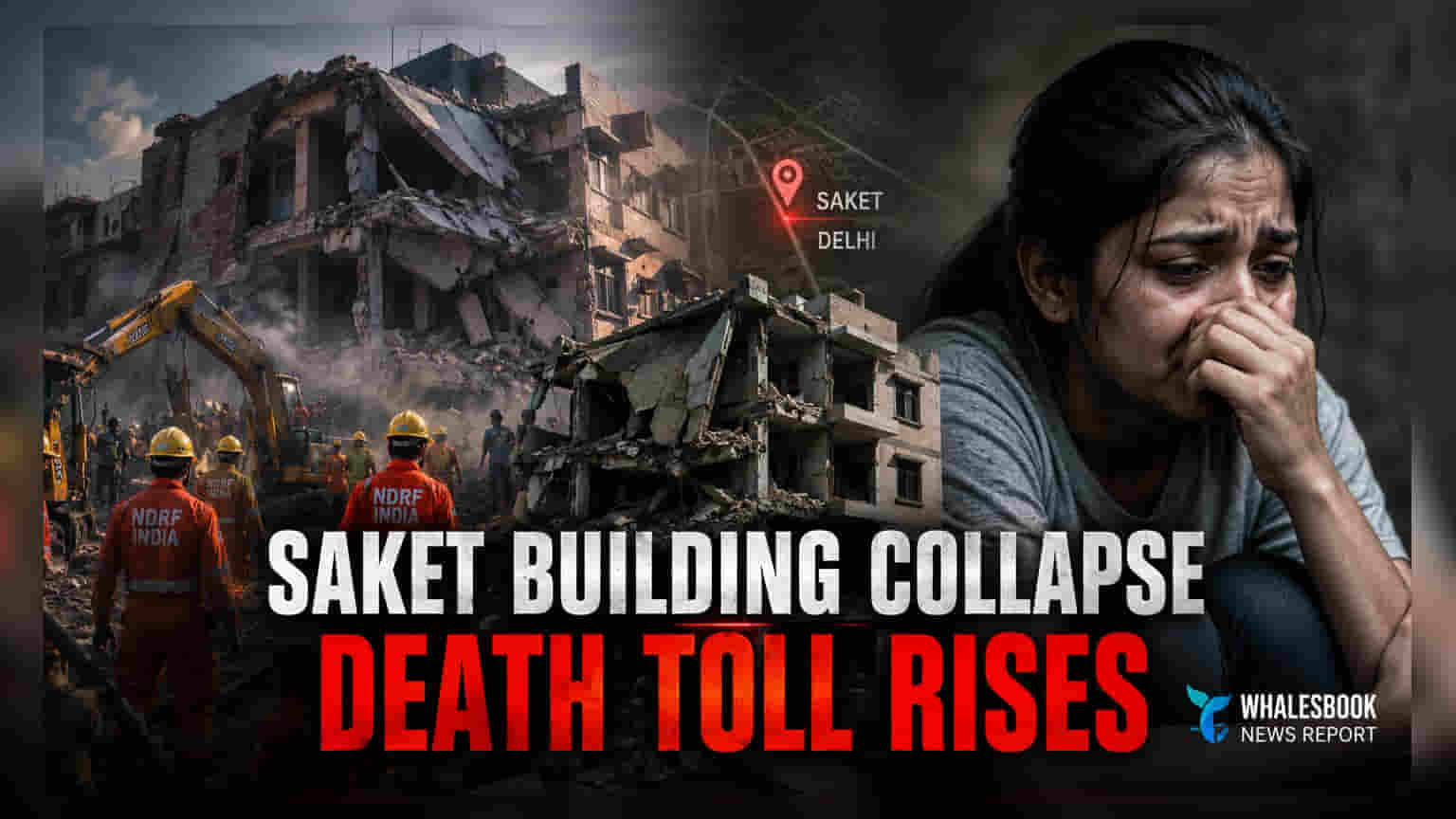


The Regulatory Failure
The catastrophic structural failure of a multi-storey commercial property on Western Marg has transitioned quickly from a rescue operation into a broader inquiry regarding urban governance and safety enforcement. While the immediate focus remains on the six individuals who perished and the eight currently receiving medical treatment, the event exposes deep-seated issues within the Municipal Corporation of Delhi regarding building code enforcement and the unauthorized conversion of residential or mixed-use spaces into high-density commercial coaching hubs.
The Enforcement Gap
Following the suspension of Assistant Engineer Sudesh Singh Chouhan and Junior Engineer Aman Jain, scrutiny has shifted toward the systemic nature of inspection failures. Historical data regarding similar incidents in Delhi suggests that structural integrity remains a secondary concern to rapid commercial expansion. Unlike institutional developers who adhere to strict safety certifications, small-scale commercial entities often bypass fire and structural audits. The registration of an FIR for culpable homicide marks a shift in how authorities address such collapses, moving away from purely administrative negligence toward personal liability for municipal oversight bodies.
Structural Risks in Coaching Districts
This incident mirrors concerns previously raised regarding the safety of student-heavy areas. Educational hubs, often located in repurposed structures, face unique risks due to high occupancy loads and heavy furniture or equipment storage that original floor plans were not engineered to support. When comparing this tragedy to the broader Delhi commercial property sector, the primary risk remains the lack of transparent, updated structural safety records for buildings older than two decades. Market participants looking at real estate development in densely populated urban corridors should account for potential future crackdowns on non-compliant properties, which could lead to widespread tenant evictions and property devaluations in the short term.
The Path Forward
Government officials have initiated a magisterial inquiry, which is expected to review the zoning and occupancy status of all similar structures in the Saidulajab vicinity. Prospective investors and stakeholders should anticipate stricter permit requirements and potentially rising insurance premiums for commercial properties within the region. As the investigation progresses, the financial impact will likely manifest in increased compliance costs for property owners and a tighter credit environment for developers operating in older, high-density metropolitan zones.