

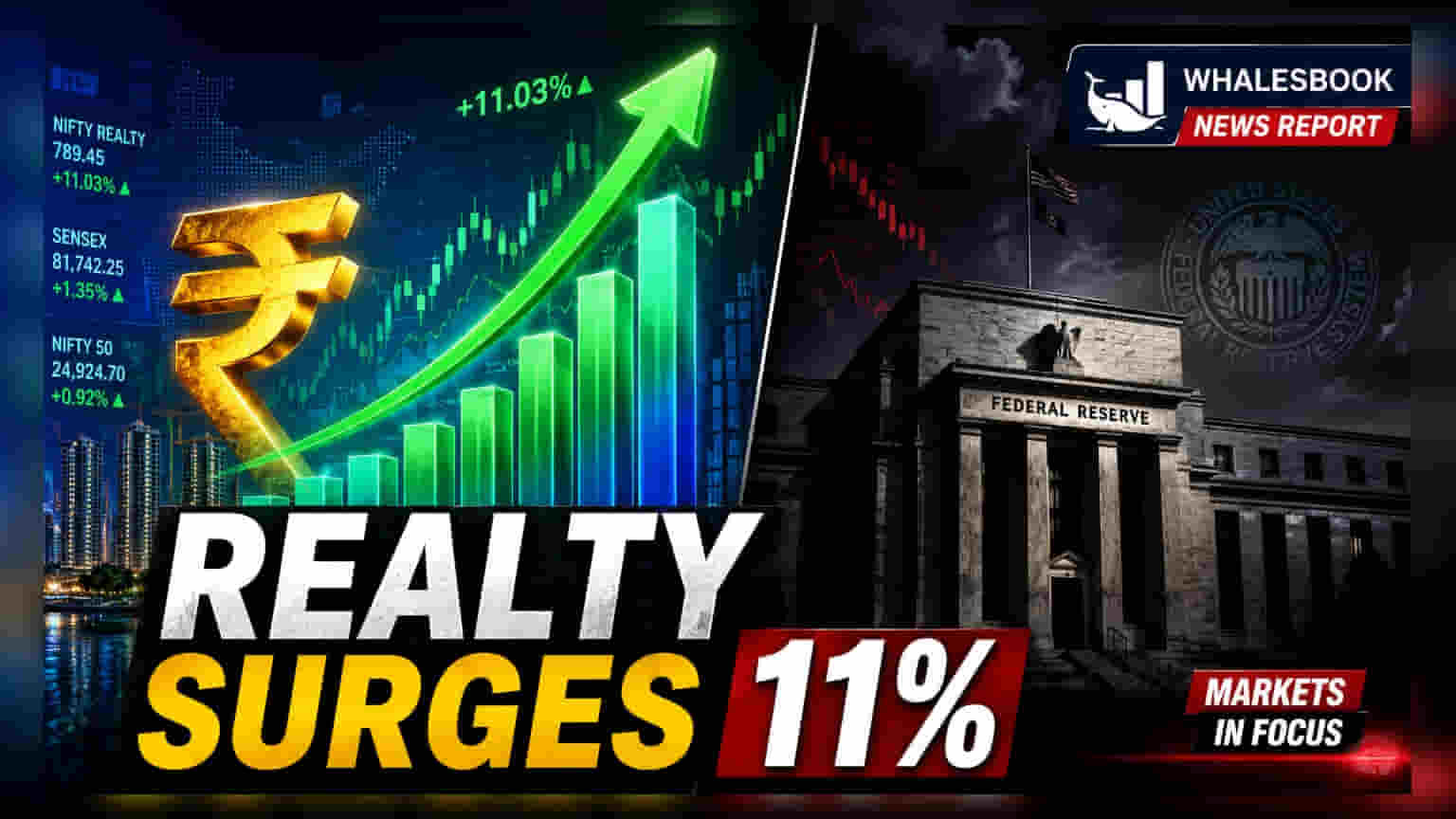
The Nifty Realty index has gained 11% over five days as cooling US labor data eases fears of aggressive interest rate hikes. This shift in global sentiment boosts expectations for stable borrowing costs in India, supporting both real estate developers and home buyers.
Indian real estate stocks have recorded a strong performance recently, with the Nifty Realty index extending a five-day winning streak. The sector has outperformed broader market indices, driven by a change in expectations regarding the US Federal Reserve's interest rate policy.
Impact of US Economic Data on Local Rates
The current market optimism follows a recent US jobs report, which suggests a potential economic slowdown. This has led traders to scale back their expectations for future interest rate hikes by the US Federal Reserve. A lower probability of rate increases is generally seen as positive for emerging markets like India, as it helps stabilize domestic interest rate environments. For the real estate sector, which is highly sensitive to the cost of capital, expectations of stable or declining interest rates are a major supporting factor.
High interest rates typically increase borrowing costs for property developers, who often carry significant debt to fund construction projects. Similarly, higher home loan rates can dampen demand from prospective home buyers. Consequently, the prospect of stabilized rates has improved the outlook for developers, contributing to the recent rise in stock prices for companies like Brigade Enterprises, Lodha Developers, Godrej Properties, Phoenix Mills, Oberoi Realty, and Prestige Estates Projects.
Investor Context and Sector Risks
While the sectoral index has seen a sharp rally, market analysts suggest that investors should maintain a selective approach. The real estate sector has undergone a period of correction over the past two years, and the current momentum represents a short-term trend in a historically cyclical industry. Investors may monitor the upcoming quarterly earnings season, as company-specific performance metrics—such as sales velocity, debt levels, and project completion timelines—will be crucial in determining whether this rally can be sustained.
It is important to note that the sector remains vulnerable to broader macroeconomic pressures beyond US interest rates. These include domestic inflation, raw material costs like steel and cement, and local regulatory changes. Furthermore, the financial health of individual developers varies, and companies with high leverage may continue to face pressure even if the interest rate environment remains stable. The real estate market also depends heavily on sustained consumer demand, which can be affected by economic growth and employment trends within India.