 Whalesbook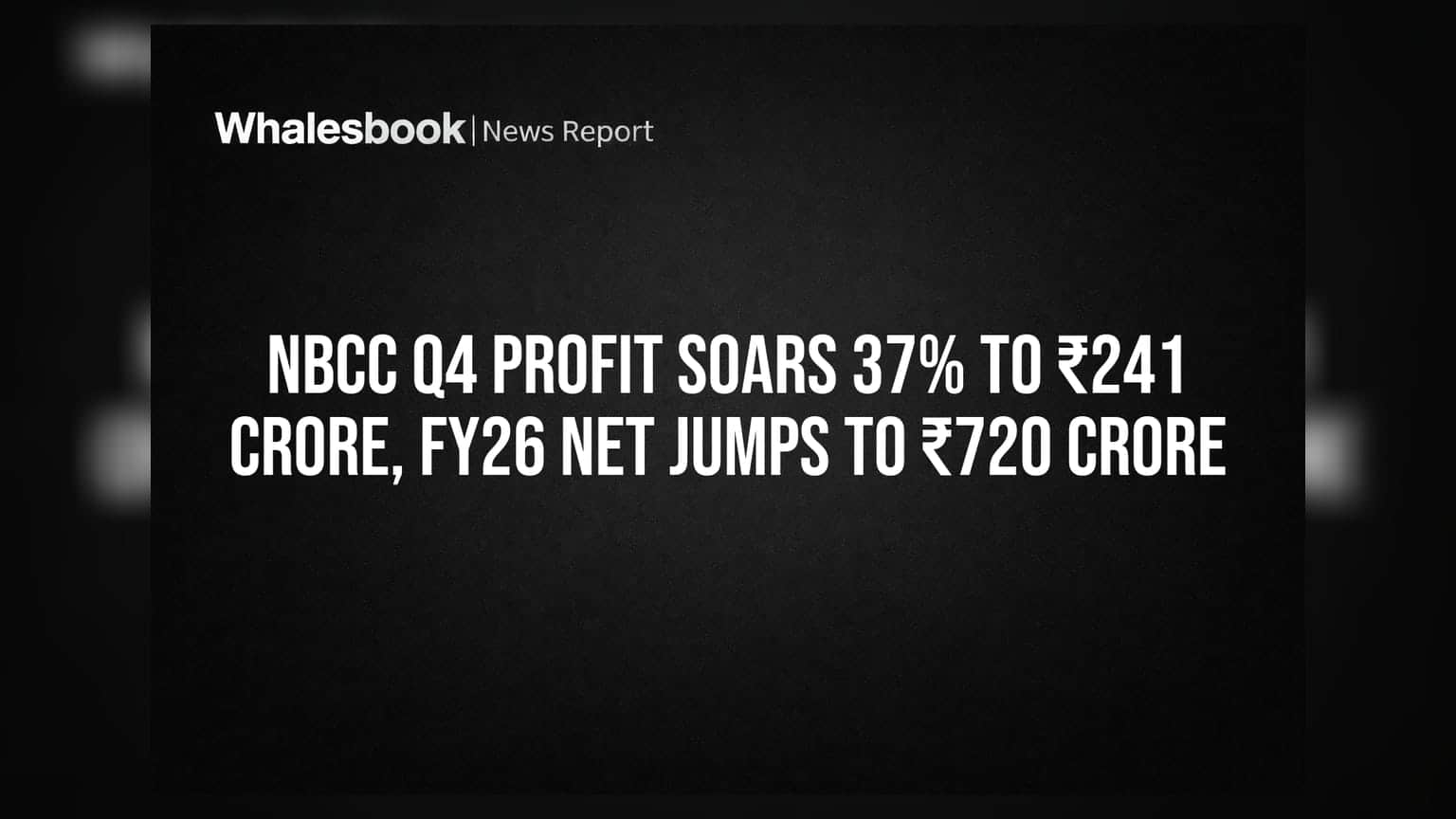


Efficiency Over Volume
The latest financial results show a notable difference between NBCC's operational scale and its financial earnings. The year-over-year rise in net profit suggests NBCC is improving its profitability. Yet, the drop in quarterly revenue indicates the company is focusing on leaner operations. By earning higher margins on less total sales, NBCC is prioritizing specialized, higher-profit project management consultancy work over large project volumes. This strategy is common for companies shifting towards business models that require less capital. However, it raises questions about whether this growth can last if the wider engineering and procurement market faces challenges.
Market Standing and Comparisons
Unlike private sector companies in India's real estate and construction industries, which often aggressively chase new projects even with changing interest rates, NBCC is supported by its government ties. When compared to other project management consultancy firms, NBCC's stock value is significantly tied to its government-backed project pipeline. Still, its stock often trades lower than private firms that are quicker to develop land assets. NBCC's recent performance shows it is handling a tough interest rate environment where private firms struggle with high debt, offering NBCC a stable financial position.
Risks and Operational Issues
Investors should look beyond the headline profit numbers to understand the underlying instability. A large part of the company's profit increase comes from internal cost savings, which cannot grow indefinitely. Moreover, NBCC heavily relies on infrastructure projects assigned by the government, making it vulnerable to changes in government budgets and spending priorities. Unlike private builders, NBCC cannot easily shift its focus to fast-growing commercial real estate. This means any slowdown in government project approvals directly impacts its revenue growth. Additionally, regulatory issues and delays in public sector project clearances consistently slow down project timelines, potentially leading to cost overruns that may not always appear immediately in financial reports.
What's Next and Industry Trends
NBCC's future performance is linked to India's overall capital expenditure cycle. While the current 33% annual profit growth provides a solid base, maintaining these profit margins will depend on navigating a competitive market. Both public and private companies are competing strongly in an environment of high inflation. Analyst opinions are divided. Some see the dividend payment as a sign of stability, while others are waiting for clear signs that revenue will grow consistently in the coming quarters.