

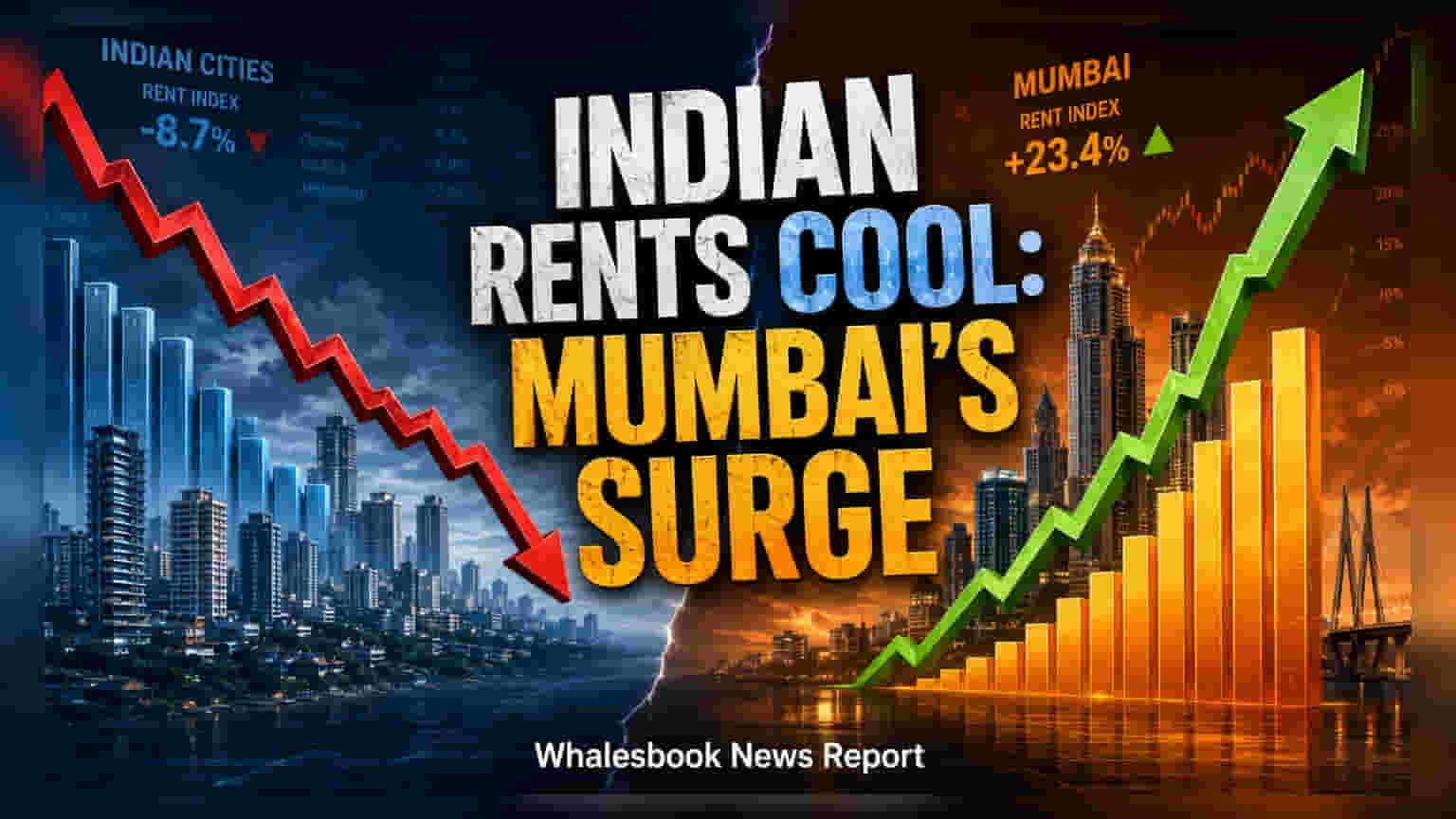
Average annual rent growth in Indian metros is cooling, but Mumbai continues to see an 11% rise. This divergence highlights a shift in urban housing, with high security deposits and rising home loan costs keeping many residents in the rental market longer.
Rental growth in most major Indian cities is showing signs of moderation after three years of rapid increases. While urban centers like Bengaluru, Pune, Delhi NCR, Hyderabad, and Chennai have seen a cooling in rent appreciation, the Mumbai Metropolitan Region remains an outlier with an 11% rise in average rents this year.
Factors Influencing the Rental Market
The gap between monthly home loan Equated Monthly Installments (EMIs) and rental payments has widened significantly, making renting a more practical choice for many households. Beyond the economic necessity, a growing preference for lifestyle flexibility is keeping people in rented homes for longer periods. This trend has direct implications for housing demand, as the barrier to entry for homeownership—often measured by the financial strain of large upfront security deposits—remains a challenge. Across the top six Indian metros, approximately ₹1,26,042 crore is currently tied up in security deposits, with Mumbai and Bengaluru holding the largest shares due to high rental costs and deposit requirements.
Divergent Growth Trends Across Metros
The moderation in rent growth is most visible in Bengaluru, where annual increases have dropped to 7% from 8% in 2025, and significantly below the double-digit growth seen between 2022 and 2024. Hyderabad has seen the sharpest shift, with year-on-year growth slowing to 3% from 9%. Pune and Chennai are also experiencing slower growth at 6% and 8% respectively, while Delhi’s average rent appreciation remains under 3%.
Investor Yields and Tenant Budget Strain
For investors, the market is currently favoring compact housing formats. Studio apartments and 1 BHK units are consistently offering higher rental yields compared to larger configurations. Bengaluru leads the country with a 4.8% rental yield for these smaller units, followed by Hyderabad at 4.6%. In contrast, larger 4 BHK units across major cities are yielding less than 3%, potentially impacting the return on investment for owners of premium, large-format properties.
Tenants in Mumbai and Delhi continue to face the highest budget strain. In Mumbai, 25% of renters allocate more than half of their monthly income to housing costs, while in the National Capital Region (NCR), this figure is 19%. This financial pressure makes the affordability of smaller housing units a critical monitorable for the sector. Investors may track how rental yields perform in coming quarters as developers adjust supply to meet the demand for smaller, more affordable configurations in high-rent markets like Mumbai.