 Whalesbook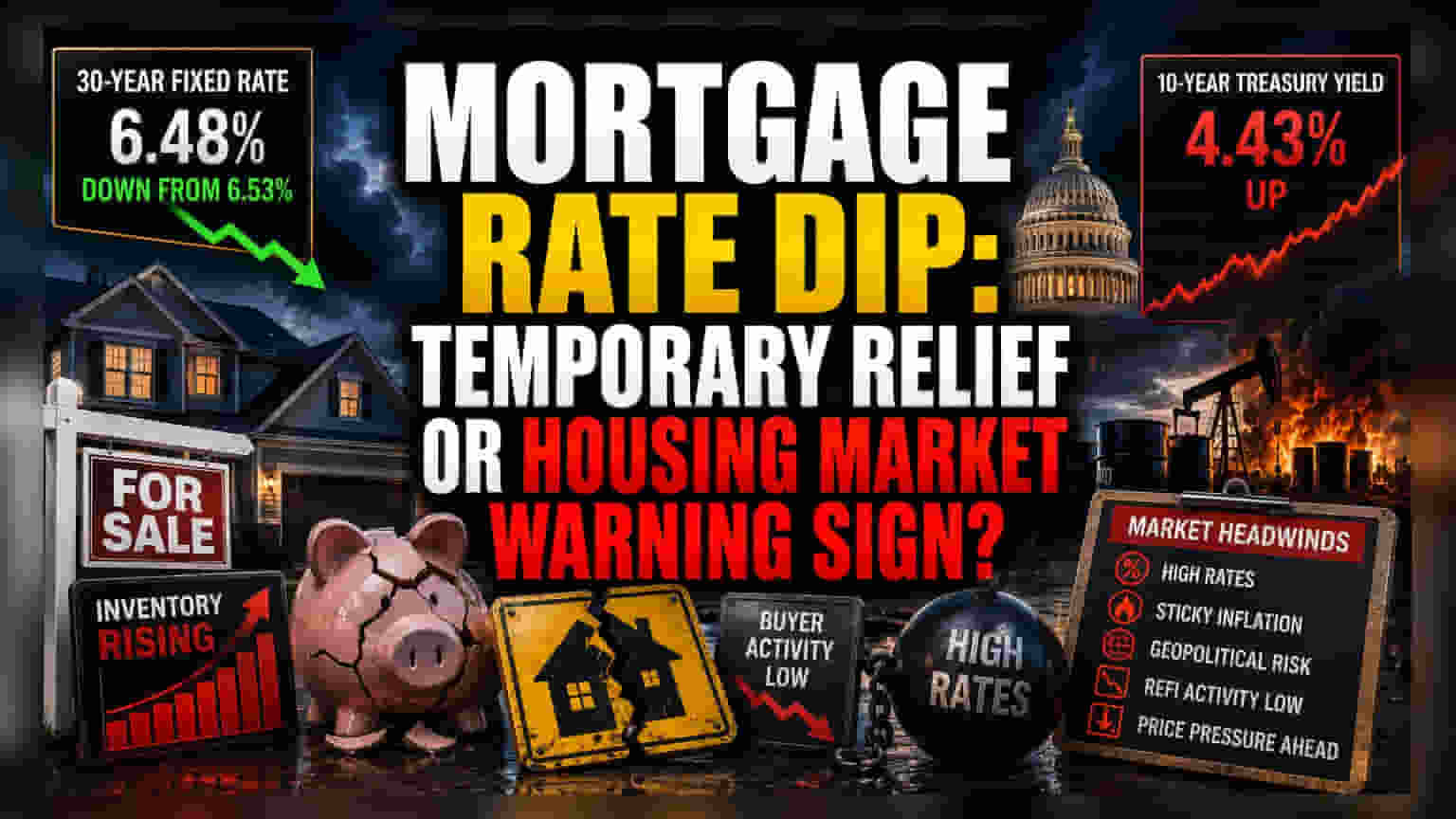


The Illusion of Affordability
The recent reduction in the benchmark 30-year fixed rate to 6.48%—down from 6.53%—is less a turning point and more a statistical fluctuation within a volatile rate environment. While any decline in interest costs technically lowers the barrier to entry for prospective homeowners, this minor shift does little to offset the structural affordability crisis that has defined the housing sector since 2022. The correlation between the 10-year Treasury yield and mortgage pricing remains tight, meaning any hope for a sustained downward trend in borrowing costs is currently tethered to the Federal Reserve’s struggle with persistent inflation rather than domestic housing supply and demand dynamics.
Geopolitical Risk and Treasury Sensitivity
Market participants are increasingly fixated on the volatility in energy markets resulting from escalating conflicts in the Middle East. Because higher crude oil prices act as a catalyst for broader inflationary expectations, bond investors are demanding higher yields on long-term government debt to compensate for inflation risk. This creates a direct transmission mechanism to the housing market: as long as geopolitical friction persists, the 10-year Treasury note—and by extension, the mortgage products tied to it—will face upward pressure regardless of individual lender competition or localized real estate incentives. Consequently, the brief softening in rates observed this week reflects a temporary consolidation in bond markets rather than a fundamental shift in the macro outlook.
Structural Stagnation and Buyer Caution
The broader housing market is currently caught in a cycle of buyer exhaustion and seller intransigence. While median listing prices have seen a 2.4% annual decline, the drop is insufficient to compensate for the cost of capital in a high-rate environment. Mortgage application data confirms this stalemate; with purchase applications hovering at their slowest pace since early spring, the market lacks the liquidity necessary to spur a meaningful recovery. The decline in refinancing activity further underscores the lack of confidence among existing homeowners, who remain anchored to the ultra-low rates secured prior to the current tightening cycle, effectively freezing housing inventory.
The Risk of Continued Inventory Bloat
From a risk perspective, the uptick in available properties for sale presents a potential headwind for future pricing. As borrowing costs remain elevated, sustained inventory growth without a corresponding rise in buyer intent suggests a looming period of price discovery. If the current stagnation continues, sellers may be forced to abandon price stability in favor of aggressive markdowns to secure liquidity. This creates a precarious environment where both volume and pricing could simultaneously face downward pressure, challenging the assumption that the market has reached a definitive bottom.