

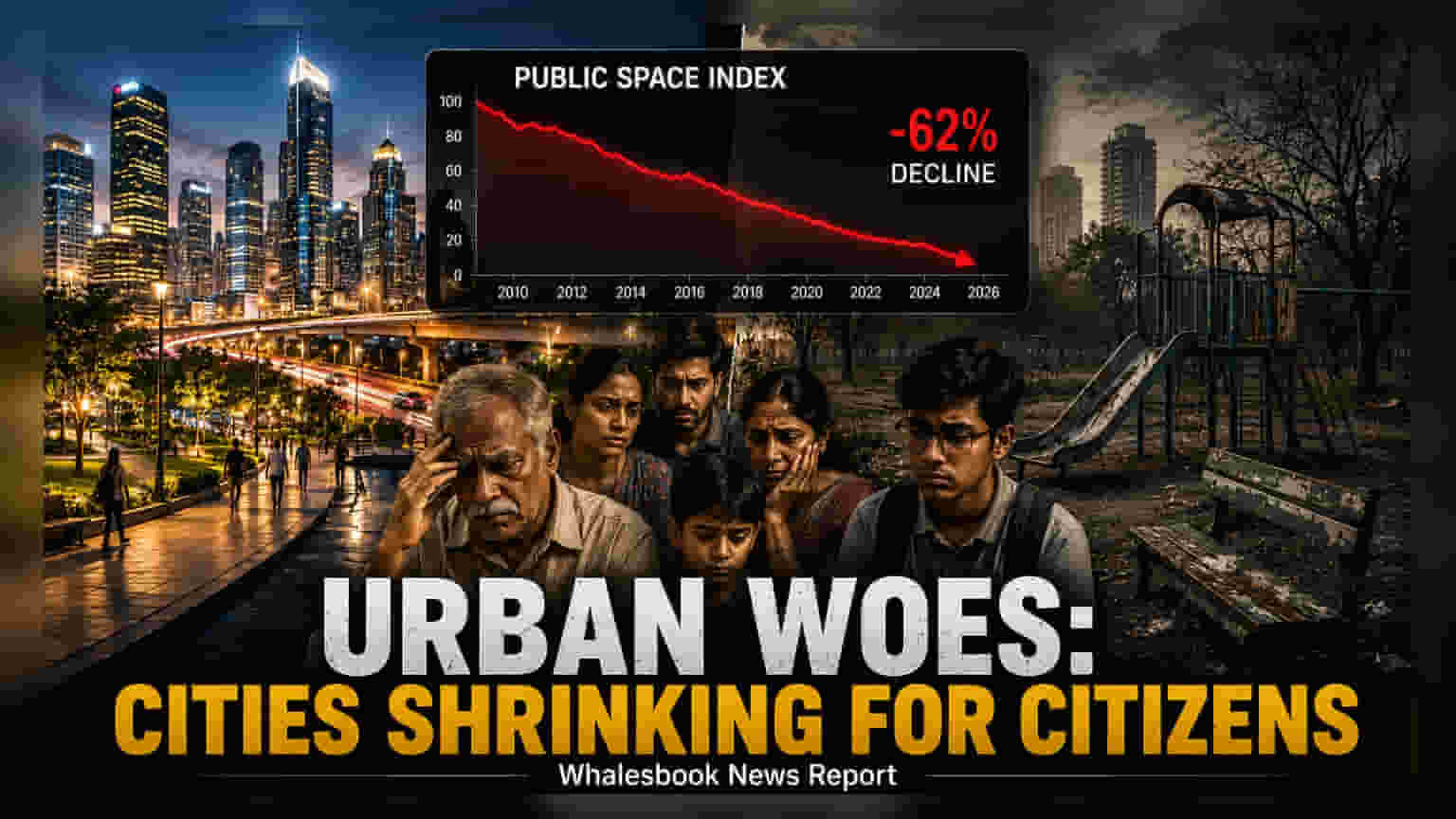
India's cities are increasingly prioritizing private infrastructure and gated developments over public spaces. For real estate investors, this trend highlights a trade-off between short-term project profitability and long-term urban sustainability, which may invite stricter regulatory oversight in the future.
India’s rapidly evolving urban landscape is undergoing a structural shift where infrastructure, expressways, and premium private developments are taking center stage. While this economic focus drives significant investment, it is creating a noticeable decline in the availability and quality of public civic spaces, such as parks, libraries, and open pedestrian areas. For the Indian real estate sector, this change is not merely a social observation but a trend that dictates where capital is deployed and how property values are sustained.
Profitability in Private Real Estate
The primary driver for this shift is the clear revenue potential in private developments. Real estate developers naturally favor projects like gated communities, luxury high-rises, and commercial malls, which offer direct returns on investment. In contrast, public spaces often lack a clear monetization model, leading to their exclusion from the planning phases of modern urban expansion. This creates a market where density is optimized for high-value residential and commercial use, often at the expense of communal infrastructure that traditionally supports urban livability.
Long-Term Risks and Regulatory Shifts
While the current focus on private infrastructure supports short-term economic metrics like GDP growth and property price appreciation, it presents hidden risks for long-term real estate health. Cities that lack green spaces and effective pedestrian infrastructure may face future challenges, including higher environmental vulnerability to climate change, such as increased urban heat and poor drainage.
Investors should monitor whether this pattern leads to tighter government regulations. As cities face the consequences of over-densification, urban planners and regulators may impose stricter requirements for green cover, public utility, and social infrastructure on new large-scale projects. Such policy shifts could impact project execution timelines, land allocation, and the overall cost structure for developers, potentially tempering margins for projects that do not factor in these broader social costs.
Investor Monitorables
For those tracking the sector, the key will be to look beyond simple quarterly sales data. Savvy investors are increasingly evaluating developments based on long-term project viability, including proximity to essential civic infrastructure and the developer’s commitment to sustainable urban design. Future regulatory trends—such as mandates for open spaces or stricter environmental compliance—will be the most significant factors that could shift the current developer preference for maximizing buildable area over public amenities. Keeping an eye on municipal policy updates and urban development guidelines remains essential for anticipating shifts in the real estate value chain.